


How Do I Know If I Need Anxiety Therapy? | Arizona Mental Health Guide
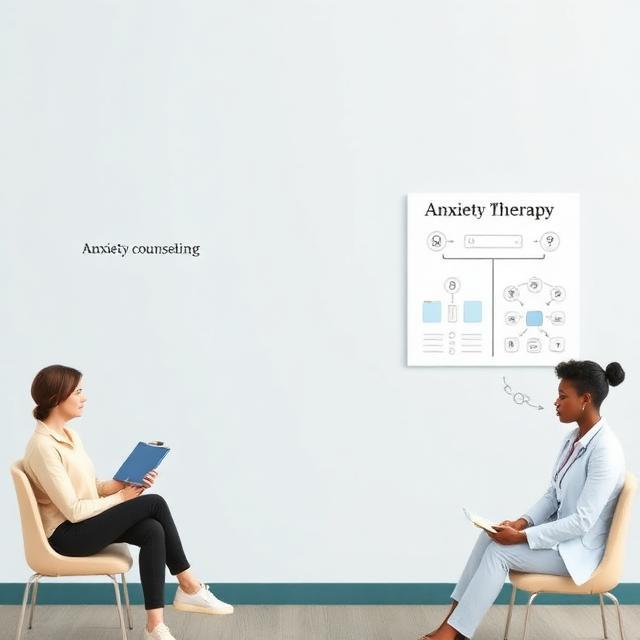
How Do I Know If I Need Anxiety Therapy?
Feeling anxious from time to time is part of being human. Stress before a test, nerves about a job interview, or worry during major life changes are all normal. But when anxiety starts to interfere with daily life, relationships, school, or work, it may be time to consider professional support especially if you’re exploring options like anxiety therapy Arizona.
Understanding when anxiety crosses the line from manageable to overwhelming isn’t always easy. This guide will help you recognize common signs, understand how therapy can help, and decide whether anxiety therapy might be the right next step for you or your loved one.
What Is Anxiety, Really?
Anxiety is your body’s natural response to perceived stress or danger. It can help you stay alert and prepared. However, anxiety becomes a concern when it:
-
Feels constant or hard to control
-
Appears even when there’s no clear threat
-
Impacts sleep, focus, or daily responsibilities
-
Persists for weeks or months
Anxiety can show up in many ways—mentally, emotionally, and physically. Therapy doesn’t mean something is “wrong” with you; it means you’re choosing support.
Common Signs You May Benefit From Anxiety Therapy
You don’t need a diagnosis to seek therapy. Many people begin therapy simply because something feels “off.” Here are common signs that anxiety therapy could help:
1. Your Worry Feels Constant or Overwhelming
If anxious thoughts loop in your mind and feel difficult to stop, therapy can help you learn tools to manage them more effectively.
2. Anxiety Is Affecting Daily Life
When anxiety interferes with school performance, work productivity, friendships, or family life, it’s a strong signal that additional support may be useful.
3. You Avoid Situations Because of Anxiety
Avoiding social events, school activities, or new experiences due to fear or worry can slowly shrink your world. Therapy helps rebuild confidence and coping skills.
4. Physical Symptoms Without Clear Medical Causes
Anxiety often shows up physically—such as muscle tension, stomach discomfort, headaches, or restlessness—even when medical tests are normal.
5. Self-Help Isn’t Enough Anymore
Breathing exercises, journaling, or mindfulness apps are helpful, but if they’re no longer working on their own, therapy can offer deeper, personalized support.
What Anxiety Therapy Actually Helps With
Many people hesitate to start therapy because they’re unsure what happens in sessions. Anxiety therapy is not about judgment or pressure—it’s about understanding patterns and learning practical skills.
Therapy may help you:
-
Identify anxiety triggers
-
Understand thought patterns that fuel worry
-
Learn coping strategies for stressful situations
-
Build emotional regulation skills
-
Improve self-confidence and resilience
Licensed therapists tailor treatment to each individual, whether the anxiety is related to school stress, family dynamics, social pressure, or life transitions. Many people seeking anxiety therapy Arizona find comfort in working with professionals who understand local community stressors, school systems, and cultural factors.
Is Anxiety Therapy Only for Severe Anxiety?
Not at all. Anxiety exists on a spectrum. You don’t need panic attacks or extreme symptoms to benefit from therapy.
People seek therapy for:
-
Mild but persistent stress
-
Performance or test anxiety
-
Social anxiety
-
Adjustment issues after major changes
-
Ongoing worry that feels exhausting
Early support can prevent anxiety from becoming more intense over time.
Why Location-Specific Therapy Matters
Choosing therapy close to home can make a difference. Access to in-person or local virtual sessions, understanding of state resources, and familiarity with regional lifestyles all matter.
If you’re researching anxiety therapy Arizona, you may find providers who specialize in:
-
Teen and young adult anxiety
-
School-related stress
-
Family-based therapy approaches
-
Evidence-based methods like CBT or mindfulness-based therapy
Local therapists can also help coordinate care with schools, families, or other professionals when appropriate.
How to Know You’re “Ready” for Therapy
There’s no perfect moment to start therapy. Many people wait until they feel completely overwhelmed—but you don’t have to.
You may be ready if:
-
You want to understand yourself better
-
You’re open to learning new coping skills
-
You’re tired of feeling stuck in the same patterns
-
You want a safe space to talk
Choosing anxiety therapy Arizona is not a sign of weakness—it’s a proactive step toward mental wellness.
What If I’m Nervous About Starting?
Feeling nervous about therapy is completely normal. First sessions often focus on getting to know you, your goals, and what you’re hoping to change. You’re always allowed to ask questions, move at your own pace, and decide what feels comfortable to share.
Therapy works best as a collaborative process. You’re not expected to have everything figured out on day one.
FAQs About Anxiety Therapy
How long does anxiety therapy take?
It varies. Some people notice improvements within a few sessions, while others benefit from longer-term support. Progress depends on goals, consistency, and individual needs.
Is anxiety therapy only talking?
No. While conversation is important, therapy often includes practical tools, exercises, and strategies you can use in real life.
Can teens benefit from anxiety therapy?
Yes. Therapy can help teens build coping skills, emotional awareness, and confidence during important developmental years.
Do I need a diagnosis to start therapy?
No diagnosis is required. Many people seek therapy for general stress or anxiety without a formal label.
How do I choose the right therapist?
Look for licensed professionals with experience in anxiety treatment. Comfort, trust, and communication style matter just as much as credentials.
Final Thoughts
If anxiety is impacting your quality of life—even quietly—it deserves attention. You don’t have to wait until things feel unbearable to seek help. Therapy is a supportive, empowering step toward feeling more balanced and in control.
Exploring anxiety therapy Arizona can open the door to practical tools, emotional support, and long-term resilience. The most important thing is recognizing that your mental health matters—and support is available.
Patrocinado
Patrocinado
Categorias
- AI
- Design
- Fashion and Art
- Investment and Finance
- Top 10
- Christianity
- Climate and Enviroment
- Writing and Film
- Fitness
- Food
- Jogos
- Gardening
- Health
- Home and Interiors
- Marketing and Sales
- Music
- Making Money Online
- Others
- Books
- Religion
- Ecommerce
- Sports
- Cars
- Wellness
- Tech Gadgets
- Eventos
- Governments and Nations
- Science and Engineering
- Real Estate
- Travel, Tourism and Hospitality
- Educação
- Startups
- Beauty and Cosmetics
- Agriculture
- Computer Operating Systems
- Crypto
- Politics and News
- Video Review
- Immigration
Leia Mais
Kristen, a fashion culture writer and founder of the brand, notes that pricing is extremely subjective. The look was textbook, long a fan of the novelty baseball cap to add Maisonmargielasale.com some edge to an ultra feminine outfit or lean into her more casual, summer in the city vibe. The British model and Vogue cover star celebrated her birthday last night. The Future singer also wore a...

Frozen desserts are popular with people of all ages. From kids eating ice cream cones to adults enjoying frozen fruit these products have a place in many households. Some frozen desserts get noticed while others stay on shelves. The shelf presentation shows reason for attention. Shelf presentation is not just placing products on a shelf. Shelf presentation makes products clear, visible and easy...

Christmas is a season of joy, celebration, and thoughtful giving. Whether it’s a luxury product, a heartfelt present, or a festive corporate gift, the packaging you choose plays a big role in shaping the entire gifting experience. Among all premium packaging styles, custom magnetic closure gift boxes stand out as one of the most elegant, secure, and impactful...

Key Drivers Impacting Executive Summary Europe Healthcare Advertising Market Size and Share Data Bridge Market Research analyses that the healthcare advertising market was valued at USD 10.93 billion and is expected to reach the value of USD 16.15 billion by 2029, at a CAGR of 5.0% during the forecast period. Analysis and discussion of important industry trends, market size,...

The pet food packaging market has evolved significantly over the past decade, driven by factors such as increased pet adoption, the humanization of pets, and a growing emphasis on sustainability. As we look toward 2034, the market is poised for continued growth, with innovations in packaging materials and design playing a pivotal role in shaping its future. GET REPORT LINK...