


How Executive MBA Colleges in India Shape Learning for Working Professionals

For many working professionals, career growth eventually demands more than experience alone. As roles expand into leadership and strategic decision-making, professionals are expected to guide teams, manage uncertainty, and support long-term goals. At this stage, informal learning can feel limiting, making structured education increasingly important. This is where Executive MBA programs in India play a meaningful role.
Executive MBA colleges are designed to fit around active careers rather than disrupt them. Their learning models account for workplace demands, time constraints, and the need for practical insight. By connecting academic concepts with real-world application, these programs help professionals progress without stepping away from their jobs.
Understanding the Learning Needs of Working Professionals
Working professionals enter Executive MBA programs with established perspectives shaped by years of experience. They are familiar with business environments, team dynamics, and operational challenges. Instead of introductory instruction, they seek clarity, structure, and new ways of thinking that help them perform at higher levels.
Executive MBA colleges recognize this learning profile and design classrooms that encourage participation and dialogue. Learning is interactive, with professionals sharing experiences, debating ideas, and reflecting on decisions they face at work. This approach transforms the classroom into a collaborative space where knowledge is built collectively rather than delivered in one direction.
Flexible Program Structures That Support Ongoing Careers
Flexibility is a defining characteristic of executive education. Colleges understand that working professionals must balance demanding jobs, leadership responsibilities, and personal commitments. To support this balance, programs are offered through formats such as weekend classes, modular residencies, blended online learning, and short campus immersions.
These structures allow professionals to maintain full engagement at work while progressing academically. Learning becomes continuous rather than disruptive. Concepts introduced during sessions can be applied directly to workplace situations, reinforcing understanding and increasing confidence in decision-making.
Curriculum Designed for Practical Leadership Development
Executive MBA curricula are structured around the challenges faced by experienced professionals. The focus shifts away from basic business principles toward leadership development, strategic thinking, financial interpretation, organizational behavior, and governance.
Subjects are intentionally integrated to show how decisions in one function affect others. This holistic view strengthens judgment and helps professionals understand business complexity. Rather than emphasizing memorization, programs prioritize analysis, interpretation, and long-term thinking, which are critical skills for leadership roles.
Faculty Expertise That Connects Theory and Practice
Faculty members play a central role in shaping the executive learning experience. Executive MBA colleges in India typically engage instructors who combine academic depth with industry exposure. Many faculty members have served as consultants, advisors, or senior professionals across different sectors.
This background allows them to connect theoretical concepts with practical situations. Classroom discussions often focus on current business challenges, ethical considerations, and leadership dilemmas. Faculty encourage critical questioning and discussion, helping professionals refine both their thinking process and communication style.
Case-Based and Experiential Learning Methods
Executive education places strong emphasis on experiential learning. Case studies, simulations, and scenario-based discussions replicate real business environments where information is incomplete and decisions carry significant consequences.
These methods challenge professionals to analyze situations, consider alternatives, and justify decisions. By engaging with realistic scenarios, participants develop structured approaches to problem-solving. Over time, this builds confidence and prepares professionals to handle complex leadership responsibilities.
Work-Integrated Projects That Deliver Practical Impact
Many Executive MBA programs include work-based projects as a core academic requirement. These projects are designed around real challenges within participants’ organizations, allowing learning to move beyond theory.
Projects may involve strategic planning, process improvement, market evaluation, or organizational change initiatives. Faculty guidance ensures academic rigor, while workplace relevance ensures that outcomes are meaningful. This integration helps professionals see tangible benefits from their learning while still enrolled in the program.
Peer Learning Through Diverse Professional Cohorts
Peer interaction is one of the most valuable aspects of an Executive MBA program. Cohorts typically include professionals from industries such as finance, technology, manufacturing, healthcare, consulting, and public services.
This diversity exposes participants to different perspectives, leadership styles, and decision-making approaches. Learning from peers helps professionals broaden their outlook and improve adaptability. Over time, these interactions develop into strong professional relationships that continue beyond the program.
Assessment Methods Aligned With Professional Responsibilities
Assessment in executive programs differs from traditional academic evaluation. Instead of relying only on written examinations, colleges emphasize presentations, group assignments, case analyses, and participation.
These methods reflect real workplace expectations. Participants are assessed on clarity of thought, communication effectiveness, teamwork, and feasibility of solutions. Feedback from faculty and peers supports continuous improvement and leadership development.
Support Systems for Long-Term Development
Executive MBA colleges provide structured support systems to help professionals sustain learning over time. These may include academic mentoring, access to digital resources, and ongoing feedback mechanisms.
Career guidance focuses on leadership transitions, expanded responsibilities, or strategic career shifts rather than entry-level placement. Alumni networks further strengthen professional connections and provide continued learning opportunities after program completion.
Choosing the Right Program for Professional Growth
Selecting the right Executive MBA program requires careful evaluation of curriculum relevance, faculty expertise, peer composition, and flexibility. Programs that align closely with professional responsibilities tend to deliver stronger outcomes.
Many professionals compare options among the best colleges for executive MBA in India to identify programs that balance academic rigor with practical application. Careful selection ensures that the investment in education supports long-term career objectives.
Conclusion
Executive MBA colleges in India shape learning for working professionals by creating education models that respect experience while encouraging continuous growth. Through flexible formats, applied curricula, experienced faculty, and peer-driven learning, these programs transform education into a strategic career investment.
Rather than interrupting professional progress, an Executive MBA strengthens leadership capability and prepares professionals to navigate complex business environments with clarity and confidence.
FAQs
Q.1 Who should consider an Executive MBA program?
Working professionals with several years of experience who aim to move into leadership or strategic roles can benefit from an Executive MBA.
Q.2 How does an Executive MBA differ from a regular MBA?
It is designed for experienced professionals and focuses on leadership, strategy, and flexible learning formats rather than full-time study.
Q.3 Can professionals manage work and study at the same time?
Yes. Most programs use weekend, modular, or blended schedules that support full-time work.
Q.4 What learning methods are commonly used in Executive MBA programs?
Programs rely on case studies, discussions, simulations, and work-related projects to support practical learning.
Q.5 How does an Executive MBA support long-term career growth?
It helps professionals strengthen leadership skills, strategic thinking, and professional networks needed for continued advancement.
Sponsor
Sponsor
Categorieën
- AI
- Ontwerp
- Fashion and Art
- Investment and Finance
- Top 10
- Christianity
- Climate and Enviroment
- Writing and Film
- Fitness
- Food
- Spellen
- Gardening
- Health
- Home and Interiors
- Marketing and Sales
- Music
- Making Money Online
- Others
- Books
- Religion
- Ecommerce
- Sports
- Cars
- Wellness
- Tech Gadgets
- Events
- Governments and Nations
- Science and Engineering
- Real Estate
- Travel, Tourism and Hospitality
- Onderwijs
- Startups
- Beauty and Cosmetics
- Agriculture
- Computer Operating Systems
- Crypto
- Politics and News
- Video Review
- Immigration
Read More
Global aluminium sulphate market represents a vital segment of the inorganic chemicals industry, currently valued at USD 964.65 million in 2023. While facing a projected slight contraction at a CAGR of -0.70%, the market is expected to reach USD 924.84 million by 2029, according to recent industry analysis. This chemical compound remains indispensable for water...

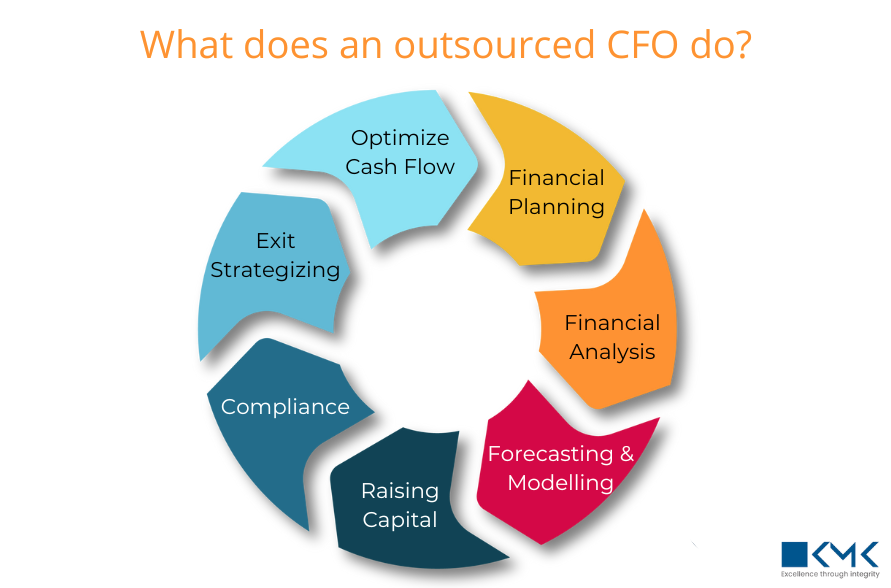
Running a small business is exciting—but also financially challenging. From managing cash flow to keeping expenses under control, business owners often find themselves juggling multiple financial responsibilities. Hiring a full-time Chief Financial Officer (CFO) may sound like the solution, but it comes with a hefty price tag. This is where remote CFO services step in. But the...
"Key Drivers Impacting Executive Summary Orthodontic Bands Market Size and Share CAGR Value Data Bridge Market Research analyses that the orthodontic bands market which was USD 2.44 billion in 2021, would rocket up to USD 4.48 billion by 2029, and is expected to undergo a CAGR of 7.90% during the forecast period 2022 to 2029. The Orthodontic Bands Market report contains market...

Introduction The Titanium Market plays a pivotal role in modern industrial and technological applications due to titanium’s unique combination of strength, lightweight properties, and corrosion resistance. Widely used in aerospace, automotive, medical implants, and chemical processing industries, titanium has become a material of choice for high-performance applications. In...

Comprehensive Outlook on Executive Summary Space Tourism Market Size and Share The global space tourism market size was valued at USD 1.23 billion in 2024 and is expected to reach USD 18.34 billion by 2032, at a CAGR of 40.2% during the forecast period. A competitive era calls for businesses to be equipped with acquaintance of the major happenings of...
