


What Is the Best Potting Soil for Healthy Indoor Plants?
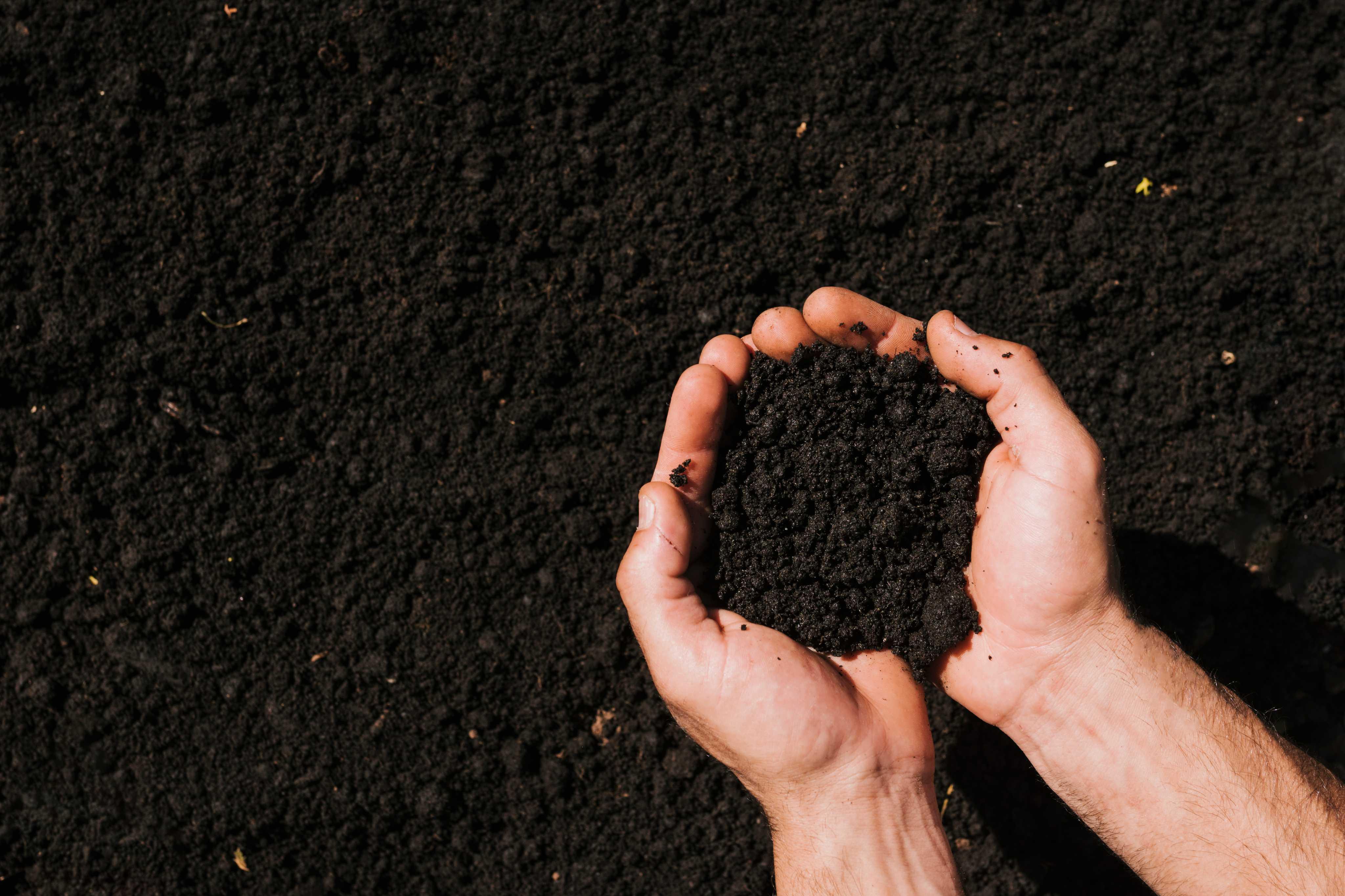
Choosing the right soil mix is one of the most important decisions you can make when growing indoor plants. Whether you are caring for leafy houseplants, succulents, herbs, or flowering varieties, the soil you use directly affects root development, moisture retention, aeration, and nutrient availability. In the first steps of plant care, beginners often focus on watering and sunlight—yet the foundation of plant health starts with quality soil. That’s why understanding what makes the best indoor soil mix is essential. In this guide, we will explore what to look for, how to choose, and how supplements like potting soil and liquid fertilizer for hydroponics help support long-term growth and lush foliage.
Indoor gardening has become increasingly popular because it enhances home décor, provides relaxation, and brings a touch of nature inside. But without a proper growing medium, even the easiest plants can struggle. This article gives you a detailed look at soil components, plant requirements, common mistakes, and professional tips to help you keep your plants thriving year-round.
Why the Right Potting Soil Matters for Indoor Plants
Soil is not just dirt. It is a living environment where roots breathe, absorb water, exchange nutrients, and anchor the plant. Unlike outdoor soil, indoor soil must be lightweight, airy, pest-free, and formulated to work well in containers.
Indoor plants rely solely on their potting mix for all essential needs, so using low-quality or heavy soil can lead to root rot, fungus problems, nutrient deficiency, and stunted growth. A well-balanced mix ensures:
-
Proper drainage
-
Ideal aeration
-
Steady moisture retention
-
Rich nutrient support
-
Healthy root expansion
The best indoor soil does not compact over time and stays loose enough to allow oxygen to circulate.
What Makes High-Quality Potting Soil?
When choosing a soil mix, you should look at the texture, the ingredients, how it holds moisture, and its ability to resist pests and fungus. Here are the most important qualities to consider.
1. Good Aeration
Indoor plant roots need air pockets inside the soil. Compacted soil prevents oxygen flow, leading to root suffocation. A good soil mix includes components like perlite, vermiculite, pumice, coconut coir, or bark chips to keep the texture loose.
2. Excellent Drainage
Water should flow through the pot quickly without pooling at the bottom. Soil that retains too much water becomes a breeding ground for fungus and harmful bacteria. Proper drainage prevents root rot, especially in houseplants like pothos, peace lilies, and rubber plants.
3. Balanced Moisture Retention
While the soil must drain well, it should also hold enough moisture for roots to access it throughout the day. Coconut coir and peat moss are common ingredients used to balance moisture retention.
4. Rich in Organic Matter
Organic ingredients nurture plant roots and support microbial life. Compost, aged bark, worm castings, and other natural additives help feed plants gradually.
5. Free From Contaminants and Pests
Outdoor soil may contain insects, weed seeds, or pathogens. Indoor plants require sterile, packaged potting soil that ensures a clean, healthy environment.
Key Ingredients Usually Found in Potting Soil
Understanding the components helps you make an informed choice based on your plant’s needs.
Peat Moss or Coconut Coir
These ingredients hold moisture while keeping the soil light. Coconut coir is an eco-friendly alternative to peat moss.
Perlite
A bright white, puffed volcanic rock that improves drainage and aeration.
Vermiculite
A mineral that helps retain moisture while preventing compaction.
Bark Fines or Wood Chips
Provide structure, encourage airflow, and help roots spread naturally.
Compost or Natural Fertilizers
Adds nutrients and improves soil activity, supporting long-term plant health.
Types of Indoor Potting Soils: Which One Do You Need?
Different plants have different growing requirements. Choosing the right type of soil makes plant care easier and more effective.
General Purpose Potting Mix
Best for:
-
Philodendrons
-
Pothos
-
Snake plants
-
Peace lilies
-
Spider plants
This mix balances drainage and moisture retention, making it perfect for most houseplants.
Cactus and Succulent Mix
Designed for plants that store moisture in their leaves or stems.
Ideal for:
-
Aloes
-
Haworthias
-
Cacti
-
Jade plants
This mix contains extra sand or grit to promote fast drainage.
Orchid Mix
Orchids need air around their roots. Orchid mixes are chunkier, containing bark and perlite.
Seed Starting Mix
Light and fine-textured, allowing seeds to sprout easily. Not ideal for long-term indoor plant growth.
How to Choose the Best Potting Soil for Your Indoor Plants
Before buying soil, think about your plant’s natural habitat. Tropical plants prefer a slightly moist environment, while desert species thrive in dry, gritty soil.
Here’s a simple guide:
Step 1: Consider Your Plant Type
Tropical plants need moisture-retaining soil.
Succulents need a fast-draining mix.
Flowering plants prefer nutrient-rich soils.
Step 2: Check the Ingredients
Avoid heavy, clay-like mixes. Look for perlite, coir, or compost.
Step 3: Test Drainage
When watered, soil should drain within a few seconds, not minutes.
Step 4: Avoid Garden Soil
It compacts easily and contains pests. Indoor plants require clean, sterilized mixes.
Step 5: Choose Brands That Offer Specialized Mixes
While you don’t need to focus on names, selecting soil designed specifically for indoor gardening ensures better performance.
Can You Improve Store-Bought Potting Soil?
Yes. Even good-quality soil can be improved depending on what you grow.
Enhancing your soil can include adding:
-
Perlite for drainage
-
Compost for nutrients
-
Bark chips for texture
-
Sand for succulents
-
Worm castings for organic feeding
If your mix feels soggy or heavy, correct it before potting your plants.
The Role of Fertilizers in Supporting Indoor Plants
While soil nutrients are important, most indoor plants eventually require additional feeding because nutrients wash out with watering.
Using a balanced fertilizer helps maintain:
-
Leaf color
-
New growth
-
Flowering capacity
-
Strong root health
A great option, especially for water-based systems, is liquid fertilizer for hydroponics. Although used mainly for hydroponics, it can also supplement soil-based indoor plants when diluted properly.
Fertilizers come in different forms:
Granular
Slow-release pellets that feed plants over time.
Liquid
Fast-acting and easy to control. Perfect for indoor gardening.
Organic Fertilizers
Feed the soil, not just the plant.
How Often Should You Replace Potting Soil?
Indoor soil breaks down over time. It becomes compact, loses nutrition, and may harbor salt buildup from fertilizers.
It’s best to:
-
Replace the soil every 12–18 months
-
Refresh the top 2–3 inches every few months
-
Repot if the plant becomes root-bound
Regular soil maintenance ensures proper aeration and drainage.
Common Mistakes When Choosing Indoor Potting Soil
Using Outdoor Soil
It causes compaction and may introduce pests.
Choosing Soil Without Checking Moisture Level
Soggy soil suffocates roots.
Ignoring Plant Type
One soil mix cannot support all plants equally.
Not Replacing Old Soil
Over time, soil loses essential nutrients.
Tips for Keeping Indoor Plants Healthy with the Right Soil
-
Use well-draining pots with drainage holes.
-
Avoid overwatering—even the best soil can’t fix it.
-
Add perlite if your soil retains too much water.
-
Fertilize lightly and consistently.
-
Use sterile tools and clean pots during repotting.
Wrapping Up
Choosing the best soil for indoor plants doesn’t need to be complicated, but it does require understanding what your plants need to thrive. A high-quality potting soil should provide the right balance of drainage, aeration, moisture retention, and nutrients. When paired with proper plant care and the occasional use of liquid fertilizer for hydroponics, your indoor greenery will reward you with vibrant growth and lasting beauty.
Healthy indoor plants start from the ground up. With the right soil mix and mindful maintenance, your home garden will remain lush, lively, and flourishing all year long.
إعلان مُمول
إعلان مُمول
الأقسام
- AI
- التصميم
- Fashion and Art
- Investment and Finance
- Top 10
- Christianity
- Climate and Enviroment
- Writing and Film
- Fitness
- Food
- الألعاب
- Gardening
- Health
- Home and Interiors
- Marketing and Sales
- Music
- Making Money Online
- Others
- Books
- Religion
- Ecommerce
- Sports
- Cars
- Wellness
- Tech Gadgets
- المناسبات
- Governments and Nations
- Science and Engineering
- Real Estate
- Travel, Tourism and Hospitality
- التعليم
- Startups
- Beauty and Cosmetics
- Agriculture
- Computer Operating Systems
- Crypto
- Politics and News
- Video Review
- Immigration
إقرأ المزيد
Perspectives de la demande mondiale pour le résumé exécutif Taille et part du marché des chaussures pour femmes La taille du marché mondial des chaussures pour femmes était réalisée à 30,5 milliards USD en 2023 et devrait atteindre 44,04 milliards USD d'ici 2031, avec un TCAC de 4,70 % au cours de la période de...

According to a new report from Intel Market Research, the global Hose Clamps market was valued at USD 2.30 billion in 2025 and is projected to reach USD 3.19 billion by 2032, growing at a steady CAGR of 4.9% during the forecast period (2025–2032). This growth is propelled by the increasing global industrial and automotive production,...
Comprehensive Outlook on Executive Summary Erythropoietin Stimulating Agents Market Size and Share Data Bridge Market Research analyses that the erythropoietin stimulating agents market which was USD 14.46 billion in 2021, would rocket up to USD 31.56 billion by 2029, and is expected to undergo a CAGR of 10.25% during the forecast period 2022 to 2029. A competitive era calls for...
"Executive Summary Rapid Test Market Value, Size, Share and Projections The global Rapid Test Market size was valued at USD 40.75 billion in 2024 and is projected to reach USD 77.63 billion by 2032, growing at a CAGR of 8.39% during the forecast period The large scale Rapid Test Market report has estimations of CAGR values which are very important...
As per MarkNtel Advisors The Latin America Residential Water Pumps Market research report reveals the current market standards as well as the latest patterns and strategic developments of the market participants in an unbiased manner. Latin America Residential Water Pumps Market Systems Market Outlook: The Russian Seed Market is rapidly evolving, driven by agricultural modernization, government...