


How Often Should You Feed Your Dog? A Guide to Dog Feeding Schedules
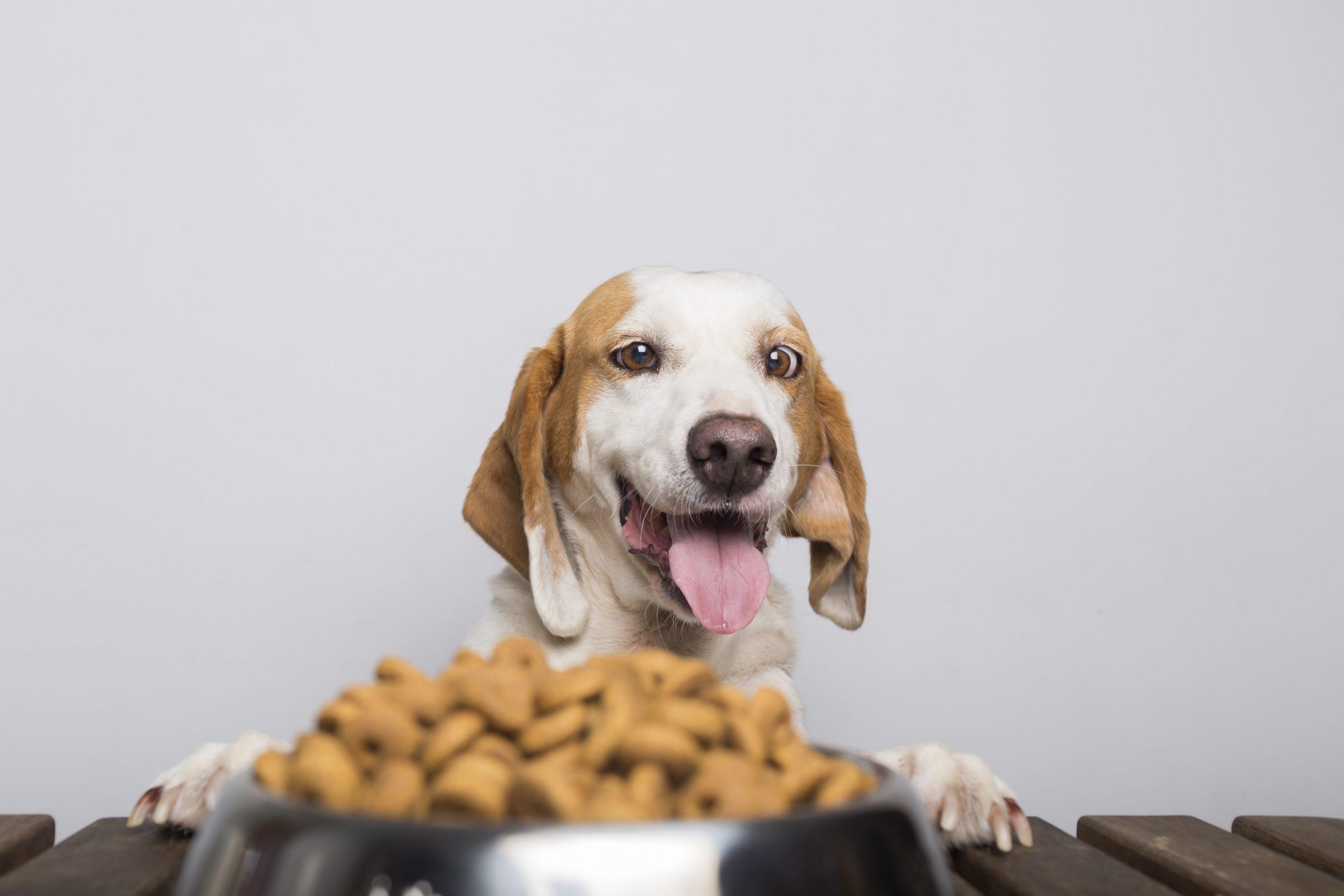
Feeding your dog is one of the most important aspects of responsible pet ownership. Choosing the right dog food and maintaining a consistent feeding schedule can have a significant impact on your pet’s overall health, energy levels, and behavior. Along with regular dog grooming, a proper feeding routine ensures your dog remains happy, healthy, and active throughout their life. But how often should you feed your dog? This guide will help you understand the feeding needs of dogs at different life stages and provide tips for establishing a schedule that works for both you and your furry friend.
Why Feeding Schedules Matter
Establishing a regular feeding schedule for your dog is more than just a matter of convenience. Dogs thrive on routine, and consistent meal times can help regulate digestion, prevent overeating, and even improve behavior. Dogs that are fed irregularly may develop digestive issues, experience weight gain, or become anxious around meal times. Feeding schedules also make it easier to monitor your dog’s health. Changes in appetite or food consumption can be early signs of illness, and knowing how much and how often your dog usually eats makes it easier to detect such changes.
Factors That Affect Feeding Frequency
Age of Your Dog
One of the most important factors in determining how often to feed your dog is age. Puppies have much higher energy needs and smaller stomachs compared to adult dogs, so they require more frequent meals. Typically, puppies should be fed three to four times a day until they are about six months old. Adult dogs, on the other hand, usually do well with two meals a day. Senior dogs may need a slightly adjusted schedule depending on their activity level and health, often sticking to two meals a day but with smaller portions.
Size and Breed
The size and breed of your dog also play a role in feeding frequency. Smaller breeds tend to have faster metabolisms and may require more frequent feeding compared to larger breeds. Large or giant breeds may be more prone to digestive issues, such as bloat, and might benefit from multiple smaller meals instead of one large meal. Understanding the specific needs of your dog’s breed can help you tailor a feeding schedule that promotes optimal health.
Activity Level
Active dogs, such as those that participate in agility training, long walks, or sports, may require more calories and slightly more frequent meals compared to dogs with a sedentary lifestyle. On the other hand, less active dogs may require smaller meals to prevent weight gain. Monitoring your dog’s activity level and adjusting meal portions accordingly is an important part of maintaining a healthy weight.
Health Conditions
Certain health conditions, such as diabetes, kidney disease, or gastrointestinal issues, can affect how often your dog should eat. Dogs with medical conditions may require a specific feeding schedule, special types of dog food, or smaller, more frequent meals. Always consult with your veterinarian to create a feeding plan that addresses any health concerns your dog may have.
Recommended Feeding Schedules
Puppies
-
Up to 3 months: Feed four times a day. Puppies’ digestive systems are small and developing, so frequent meals are essential for steady growth.
-
3 to 6 months: Feed three times a day. At this stage, your puppy’s metabolism is still high, and regular meals prevent hunger-related behavior issues.
-
6 months to 1 year: Feed twice a day. As your puppy approaches adulthood, their feeding schedule can gradually resemble that of an adult dog.
Adult Dogs
-
1 year and older: Most adult dogs do well with two meals a day, ideally spaced 8 to 12 hours apart. Feeding once a day is not recommended as it can lead to hunger, irritability, and overeating at the next meal.
-
Portion sizes should be based on your dog’s weight, activity level, and the calorie content of the dog food you provide. Regularly weighing your dog and monitoring body condition can help you adjust portion sizes as needed.
Senior Dogs
-
Senior dogs, usually over 7 years old, may benefit from two smaller meals a day rather than one larger meal. This approach can help prevent digestive upset and maintain steady energy levels throughout the day.
-
Dogs with age-related health issues, such as arthritis or kidney disease, may require special diets or more frequent, smaller meals. Consult your veterinarian for guidance.
Tips for Establishing a Feeding Routine
Consistency is Key
Dogs are creatures of habit, and consistent meal times help them feel secure. Pick specific times each day to feed your dog and stick to them. This routine also makes it easier to observe changes in appetite or behavior that may indicate health problems.
Measure Portions
Avoid free-feeding (leaving food out all day), as this can lead to overeating and weight gain. Use a measuring cup to provide the correct portion size based on your dog’s age, size, and activity level. Adjust portions as needed to maintain a healthy weight.
Avoid Overfeeding
Overfeeding can lead to obesity, which increases the risk of diabetes, joint problems, and heart disease. Treats should also be counted towards your dog’s daily caloric intake. A balanced diet of high-quality dog food is more beneficial than excessive snacking.
Monitor Your Dog’s Weight
Regularly monitor your dog’s weight and body condition. You should be able to feel your dog’s ribs without excessive fat covering and see a visible waist when viewed from above. Sudden weight gain or loss should be discussed with your veterinarian.
Combine Feeding with Dog Grooming and Exercise
Feeding times can be coordinated with dog grooming and exercise routines. For example, feeding your dog after a walk or playtime can help prevent digestive issues and establish positive associations with physical activity. Avoid vigorous exercise immediately after meals, as this can increase the risk of bloat in large breeds.
Signs Your Feeding Schedule Needs Adjustment
Even with a carefully planned routine, some dogs may need adjustments to their feeding schedule. Watch for these signs:
-
Excessive hunger: If your dog seems hungry between meals, you may need to adjust portion sizes or frequency.
-
Weight gain or loss: Significant changes in weight indicate that your dog’s diet may need modification.
-
Digestive issues: Vomiting, diarrhea, or constipation can be signs that your dog is eating too much or too little at one time.
-
Behavioral changes: Irritability, hyperactivity, or lethargy can sometimes be related to feeding routines or diet quality.
Special Considerations
Feeding Multiple Dogs
If you have more than one dog, feeding times can become tricky. Some dogs may eat faster or dominate the food bowl, leaving others with less. Feeding dogs separately or using puzzle feeders can help ensure each dog receives the appropriate amount of food.
Adjusting During Life Changes
Changes in life stage, activity level, or health may require adjustments to your dog’s feeding schedule. Puppies grow into adults, and adult dogs may become seniors. Each transition may necessitate changes in meal frequency, portion sizes, or dog food type.
Choosing the Right Dog Food
The type and quality of dog food you choose significantly impacts your dog’s health. Look for balanced diets formulated for your dog’s age, breed, and activity level. Consult your veterinarian for recommendations on the best food to meet your dog’s nutritional needs. High-quality dog food provides essential nutrients that support energy, coat health, and overall well-being.
Common Mistakes Dog Owners Make
-
Feeding irregularly or skipping meals
-
Free-feeding instead of providing measured portions
-
Ignoring age or breed-specific dietary needs
-
Over-relying on treats or table scraps
-
Failing to monitor weight and adjust portions
Avoiding these mistakes can help your dog maintain a healthy weight, proper digestion, and a happy demeanor.
Wrapping Up
Feeding your dog the right way involves more than just filling a bowl. A well-planned feeding schedule, appropriate portion sizes, and high-quality dog food contribute to your pet’s long-term health. Pairing this with regular dog grooming and exercise ensures your dog remains energetic, healthy, and happy. Puppies, adults, and senior dogs have different feeding needs, and being attentive to these requirements helps prevent health problems and promotes a long, fulfilling life for your pet. By understanding your dog’s unique needs and establishing a consistent routine, you provide a foundation for their overall well-being and happiness.
Sponsor
Sponsor
Categorii
- AI
- Stil
- Fashion and Art
- Investment and Finance
- Top 10
- Christianity
- Climate and Enviroment
- Writing and Film
- Fitness
- Food
- Jocuri
- Gardening
- Health
- Home and Interiors
- Marketing and Sales
- Music
- Making Money Online
- Others
- Books
- Religion
- Ecommerce
- Sports
- Cars
- Wellness
- Tech Gadgets
- Events
- Governments and Nations
- Science and Engineering
- Real Estate
- Travel, Tourism and Hospitality
- Educaţie
- Startups
- Beauty and Cosmetics
- Agriculture
- Computer Operating Systems
- Crypto
- Politics and News
- Video Review
- Immigration
Citeste mai mult
When it comes to online entertainment, platforms like Winbuzz have carved out a strong reputation among gaming and casino enthusiasts. Often referred to as win buzz by regular users, Winbuzz offers a rich suite of casino games, intuitive features, and payout options that make it a compelling choice for both casual players and serious gamers. In this guide, we’ll take a closer look at what...

"Executive Summary Shrimp Feed Market: Share, Size & Strategic Insights Shrimp feed market will reach at an estimated value of USD 3.06 billion by 2028 and grow at a rate of 5.10% in the forecast period 2021 to 2028. The Shrimp Feed report provides CAGR values along with its fluctuations for the specific forecast period. The Shrimp Feed report has been generated by taking into thought...

Executive Summary Europe Adhesive Tapes Market Trends: Share, Size, and Future Forecast Data Bridge Market Research analyses the adhesive tapes market will exhibit a CAGR of 5.11% for the forecast period of 2022-2029. By working with a number of steps of collecting and analysing market data, the significant Europe Adhesive Tapes Market research report is framed with the expert...
As per Market Research Future, the Battery Recycling Industry is witnessing significant growth due to the rising demand for sustainable energy solutions and the increasing adoption of electric vehicles worldwide. With the surge in lithium-ion, lead-acid, and nickel-metal hydride batteries, the need for efficient recycling methods has become paramount. The industry plays a critical role in...
Finding stylish, comfortable, and well-fitted ethnic wear can be a challenge—especially when shopping online. At Rang Jah, we proudly bring you an exclusive collection of Pakistani Plus Size Dresses designed to celebrate curves, confidence, and culture. Whether you’re dressing up for Eid, a formal event, or everyday elegance, Rang Jah is your trusted destination in the UK for...