


Does the Material of a Water Bottle Matter for Health
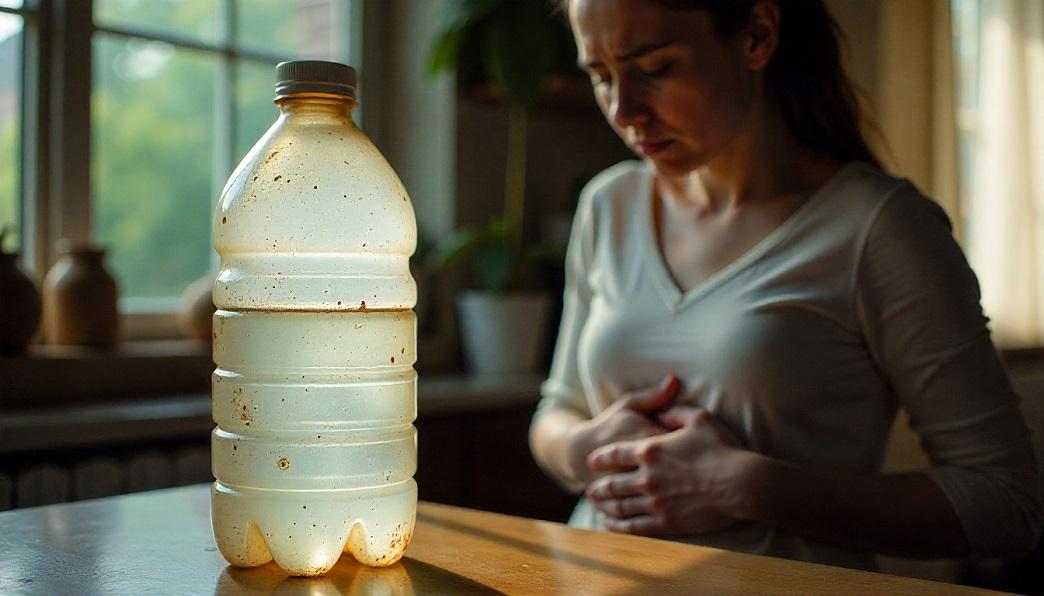
Water bottles are an essential part of daily life. From school and office to gyms and travel, they accompany us everywhere. While they may seem like simple containers, the material of a water bottle can have a significant effect on your health, water quality, and overall hydration experience. Using the wrong type of bottle for an extended period can introduce unpleasant odors, bacteria, or even chemical contaminants into the water you drink.
Plastic water bottles are among the most popular choices because they are lightweight, portable, and affordable. However, not all plastics are created equally, and long-term use can lead to safety and health concerns. Understanding the differences between plastic, metal, and glass bottles helps you make informed decisions for daily hydration.
Why Water Bottle Material Impacts Your Health
Plastic Bottles and Chemical Leaching
Plastic water bottles are convenient, but low-quality plastic can release harmful chemicals over time, especially when exposed to sunlight or heat. Bisphenol A (BPA) is one chemical often linked to hormonal disruption, and even BPA-free bottles can absorb odors or retain bacteria if they become scratched or worn. Repeated use and washing over months may increase the chance of chemical leaching.
Using food-grade plastics from reliable sources can reduce these risks. It ensures that your water remains safe while still taking advantage of the convenience and lightweight design of plastic bottles.
Metal and Glass Bottles: Advantages and Drawbacks
Metal and glass water bottles are alternatives that provide better protection against odors and bacterial growth. Stainless steel bottles are durable, resistant to scratches, and do not leach chemicals. Glass bottles offer the purest taste and are easy to clean but are heavier and more fragile.
While metal and glass bottles excel in safety and durability, they may not be as convenient as plastic bottles for activities like hiking, sports, or daily commuting, where portability matters most.
How Plastic Bottles Can Harbor Bacteria
Plastic water bottles are prone to bacterial buildup over time. With daily use, small scratches form inside the bottle. Moisture and mineral residues from water get trapped in these scratches, creating ideal conditions for bacteria to grow. This bacterial buildup can cause foul odors, affect water taste, and even lead to mild health issues if consumed over time.
Even if the bottle is used exclusively for water, minerals and micro-organisms can combine with bacteria to create unpleasant smells. Consistent cleaning helps, but it cannot fully eliminate bacteria from deep scratches or hard-to-reach areas.
The Hidden Role of Lids and Caps
Lids and caps are often overlooked when cleaning. Threads, rubber seals, and tight spaces trap moisture, allowing bacteria to thrive. Even when the bottle body is clean, a contaminated lid can reintroduce bacteria and odors. Proper cleaning requires washing every part of the lid, including seals and crevices, to maintain safe hydration.
Early Warning Signs Your Bottle May Be Unsafe
Recognizing signs of contamination helps protect your health. Common indicators include:
-
Foul or musty odor inside the bottle
-
Water tasting stale or off
-
Persistent residue that remains after washing
When these signs appear, it is better to replace the bottle rather than risk consuming bacteria-laden water.
Comparison Table: Plastic vs Metal vs Glass Bottles
| Feature | Plastic Bottles | Metal Bottles | Glass Bottles |
|---|---|---|---|
| Weight | Lightweight, portable | Slightly heavier but durable | Heavier, less portable |
| Odor Resistance | Low, develops smell over time | High, rarely retains odor | Very high, easy to clean |
| Chemical Leaching | Possible in low-quality plastics | None | None |
| Durability | Moderate, scratches over time | High, can dent but not easily damaged | Low, breaks easily |
| Cleaning Ease | Moderate, may trap bacteria | High, smooth interior | High, easy but fragile |
| Cost | Affordable | Moderate to high | Moderate to high |
This table highlights the trade-offs between convenience, safety, and durability. While plastic is practical, metal and glass offer superior long-term protection.
Cleaning and Maintenance Tips for Plastic Bottles
Proper maintenance extends the life of plastic bottles and reduces odor and bacterial buildup:
-
Wash bottles and lids daily using warm water and mild soap
-
Use a brush to clean corners and bottoms thoroughly
-
Allow bottles and lids to air dry completely
Occasional deep cleaning with natural solutions like baking soda or vinegar helps remove lingering odors. Despite cleaning, old or heavily scratched bottles should be replaced promptly.
How to Choose the Right Bottle for Daily Use
When selecting a water bottle, consider:
-
Quality of plastic or alternative material
-
Ease of cleaning and drying
-
Frequency of use and where it will be carried
Comparing Water Bottles Price in Pakistan can help find a bottle that balances affordability and quality. Opting for bottles from trusted Plastic Bottles Manufacturers in Karachi ensures safer materials, better odor resistance, and improved durability.
Practical Tips for Safe Hydration
-
Use high-quality, food-grade materials
-
Avoid leaving bottles in direct sunlight or hot environments
-
Replace bottles showing cracks, scratches, or persistent odor
-
Clean lids and caps thoroughly every day
-
Avoid using the same bottle for flavored drinks to prevent cross-contamination
Final Thoughts: Material Choice Matters
The material of a water bottle directly affects health, water taste, and hygiene. Plastic bottles are convenient and portable but require careful cleaning and timely replacement. Stainless steel and glass bottles resist odors and bacteria more effectively, though they may be heavier or more fragile.
Making an informed choice, practicing proper cleaning routines, and replacing old bottles ensures safe, fresh, and enjoyable hydration every day. Your water bottle is more than a container; it is a key component of healthy daily habits.
Visit for latest information at createxdigital.com
Patrocinado
Patrocinado
Categorias
- AI
- Design
- Fashion and Art
- Investment and Finance
- Top 10
- Christianity
- Climate and Enviroment
- Writing and Film
- Fitness
- Food
- Jogos
- Gardening
- Health
- Home and Interiors
- Marketing and Sales
- Music
- Making Money Online
- Others
- Books
- Religion
- Ecommerce
- Sports
- Cars
- Wellness
- Tech Gadgets
- Eventos
- Governments and Nations
- Science and Engineering
- Real Estate
- Travel, Tourism and Hospitality
- Educação
- Startups
- Beauty and Cosmetics
- Agriculture
- Computer Operating Systems
- Crypto
- Politics and News
- Video Review
- Immigration
Leia mais
"Regional Overview of Executive Summary Liquid Powder and Speciality Coating Equipment Market by Size and Share CAGR Value The global liquid powder and speciality coating equipment market size was valued at USD 2.9 billion in 2024 and is projected to reach USD 4.4 billion by 2032, with a CAGR of 5.40% during the forecast period of 2025 to 2032. A consistent market research report like...
In 2025, social media platforms like TikTok are shaping U.S. public health trends in unprecedented ways. TikTok moms dominate the wellness narrative, sharing tips on fiber intake, gut health, and family nutrition. Simultaneously, ivermectin online health divide USA campaigns are growing across platforms, sparking debates about drug advocacy, public safety, and...

In today’s digital-first world, identity fraud, data breaches, and unauthorized access have become major challenges for businesses across industries. From banking and fintech to healthcare and e-commerce, organizations need reliable and scalable identity verification solutions to protect users while ensuring seamless customer experiences. This is where advanced technologies like voice...

Global Antifreeze Proteins (AFP) market size was valued at USD 11.7 million in 2024. The market is projected to grow from USD 12.5 million in 2025 to USD 18.7 million by 2032, exhibiting a CAGR of 7.0% during the forecast period. Antifreeze proteins, nature's remarkable solution to freezing conditions, have transitioned from biological curiosities to commercially valuable assets. These...

Detailed Analysis of Executive Summary Antenna Market Size and Share Global antenna market size was valued at USD 26.55 billion in 2024 and is projected to reach USD 56.49 billion by 2032, with a CAGR of 9.90% during the forecast period of 2025 to 2032. This Antenna Market report serves you with the bigger picture of the marketplace as it studies market and the industry by considering...