


What does an ICF-certified life coach mean?
Choosing the right life coach can feel overwhelming, especially when you encounter a variety of titles and certifications. One credential that stands out is being an ICF-certified life coach. But what exactly does it mean, and why should clients care about this certification? Understanding this distinction can help individuals make informed decisions and ensure they receive coaching from a professional committed to high standards. This post explains what it means to be an ICF-certified life coach, highlights its benefits, and shows why this credential matters for both clients and coaches.
What is the International Coaching Federation (ICF)?
The International Coaching Federation (ICF) is a global organization that sets professional standards for coaches. It ensures that coaches follow ethical practices and demonstrate core coaching competencies.ICF credentials indicate that a coach has met rigorous training and experience requirements. This recognition helps maintain consistency and professionalism across the coaching industry. It also reassures clients that the coach they choose is committed to ongoing development and ethical conduct.
What It Means to Be an ICF Certified Life Coach
Being an ICF-certified life coach means the coach has completed an accredited program that meets international standards.
Key Requirements:
-
Completion of structured training hours covering core coaching skills
-
Hands-on coaching experience under supervision
-
Adherence to a strict code of ethics
-
Demonstration of coaching competencies through assessments
This certification signals a commitment to quality, ethical coaching, and continuous professional development. It also provides clients with confidence that the coach uses evidence-based techniques and follows a recognized methodology.
Why Certification Matters for Clients?
Choosing a certified life coach ensures the client receives guidance from someone trained to professional standards.
Benefits for Clients
-
Credibility and trust: Certification assures that the coach has proven knowledge and skills
-
Structured coaching: Sessions follow a framework designed for measurable results
-
Ethical practice: Clients can expect confidentiality, respect, and professionalism
-
Global recognition: ICF certification is recognized internationally, allowing clients to work with qualified coaches anywhere
-
Consistency in approach: Certified coaches follow methods that have been tested and refined for effective coaching
By working with a certified professional, clients gain peace of mind, knowing that their personal and professional goals are being supported responsibly.
Difference Between Certified and Uncertified Coaches
While anyone can call themselves a life coach, certification guarantees baseline skills and standards.
Key Differences
-
Uncertified coaches may lack formal training or standardized practices
-
Certified coaches adhere to ethical guidelines and continuous learning
-
Certification ensures accountability and professional development
-
Clients are more likely to experience structured sessions and measurable progress with certified coaches
Hiring a certified coach reduces the risk of inconsistent guidance and helps clients stay focused on meaningful outcomes.
How Certification Works?
To become an ICF-certified life coach, individuals must complete an accredited program. These programs often include:
-
Live or virtual classes with professional instructors
-
Practical coaching exercises with feedback
-
Mentor coaching sessions
-
Knowledge of business and client management
After completion, the coach earns the certification and can practice professionally while maintaining adherence to ICF standards. Many programs also offer niche specialization options, such as career, wellness, or relationship coaching.
How to Verify an ICF Certification?
Clients should ensure their coach is truly certified. Verification can be done by:
-
Checking the official ICF website for registered credential holders
-
Requesting the coach’s certification details, including credential level (ACC, PCC, or MCC)
-
Confirming completion of an ICF-accredited program
This verification adds an extra layer of trust and confidence when selecting a professional life coach.
When Certification Makes the Most Difference
Certification matters most when:
-
Clients seek reliable, ethical coaching with measurable outcomes
-
Coaches aim to practice internationally or within professional organizations
-
Individuals want assurance of the coach’s training and experience
While certification is not the only factor for successful coaching, it provides a strong foundation for effective guidance and accountability.
Common Misconceptions
Some assume certification guarantees instant results, but it does not. The effectiveness of coaching depends on client engagement, coach-client fit, and consistent effort. Certification ensures professional standards, but not a predetermined outcome. Another misconception is that all coaching certifications are equal. ICF is widely recognized and respected globally, setting it apart from programs without standardization.
Conclusion
An ICF-certified life coach represents verified training, professional ethics, and global recognition. Choosing a certified life coach allows clients to work with professionals committed to quality, structured coaching, and ethical practice. Certification helps clients make informed decisions and sets clear expectations for coaching outcomes. While the success of coaching depends on collaboration and effort, hiring a certified coach ensures accountability, competence, and a reliable framework for personal or professional growth. Verifying ICF credentials provides added assurance of the coach’s professionalism and dedication to client success.
Προωθημένο
Προωθημένο
Κατηγορίες
- AI
- Μορφή
- Fashion and Art
- Investment and Finance
- Top 10
- Christianity
- Climate and Enviroment
- Writing and Film
- Fitness
- Food
- Παιχνίδια
- Gardening
- Health
- Home and Interiors
- Marketing and Sales
- Music
- Making Money Online
- Others
- Books
- Religion
- Ecommerce
- Sports
- Cars
- Wellness
- Tech Gadgets
- Events
- Governments and Nations
- Science and Engineering
- Real Estate
- Travel, Tourism and Hospitality
- Εκπαίδευση
- Startups
- Beauty and Cosmetics
- Agriculture
- Computer Operating Systems
- Crypto
- Politics and News
- Video Review
- Immigration
Διαβάζω περισσότερα
Executive Summary Kidney Stone Market Size and Share Analysis Report The global Kidney Stone market was valued at USD 3.05 billion in 2024 and is expected to reach USD 4.42 billion by 2032 During the forecast period of 2025 to 2032 the market is likely to grow at a CAGR of 4.7%, primarily driven by the increasing prevalence of kidney stone Businesses are...

"Executive Summary Gluten-Free Products Market Opportunities by Size and Share CAGR Value: The global gluten-free products market size was valued at USD 7.23 billion in 2024 and is expected to reach USD 11.91 billion by 2032, at a CAGR of 6.44% during the forecast period. To achieve detailed market insights and keep market place clearly into the...
Global Demand Outlook for Executive Summary Automotive Coolant Market Size and Share Data Bridge Market Research analyses that the automotive coolant market was valued at USD 4642.30 million in 2021 and is expected to reach USD 7124.48 million by 2029, registering a CAGR of 5.50% during the forecast period of 2022 to 2029. Automotive Coolant Market report supports businesses to thrive...
"Executive Summary Firewall as a Service (FWAAS) Market: Growth Trends and Share Breakdown CAGR Value Data Bridge Market Research analyses that the firewall as a service (FWAAS) market value, which was USD 0.30 billion in 2021, is expected to reach the value of USD 8.28 billion by 2029, at a CAGR of 25.40% during the forecast period. In this competitive marketplace, businesses are always...
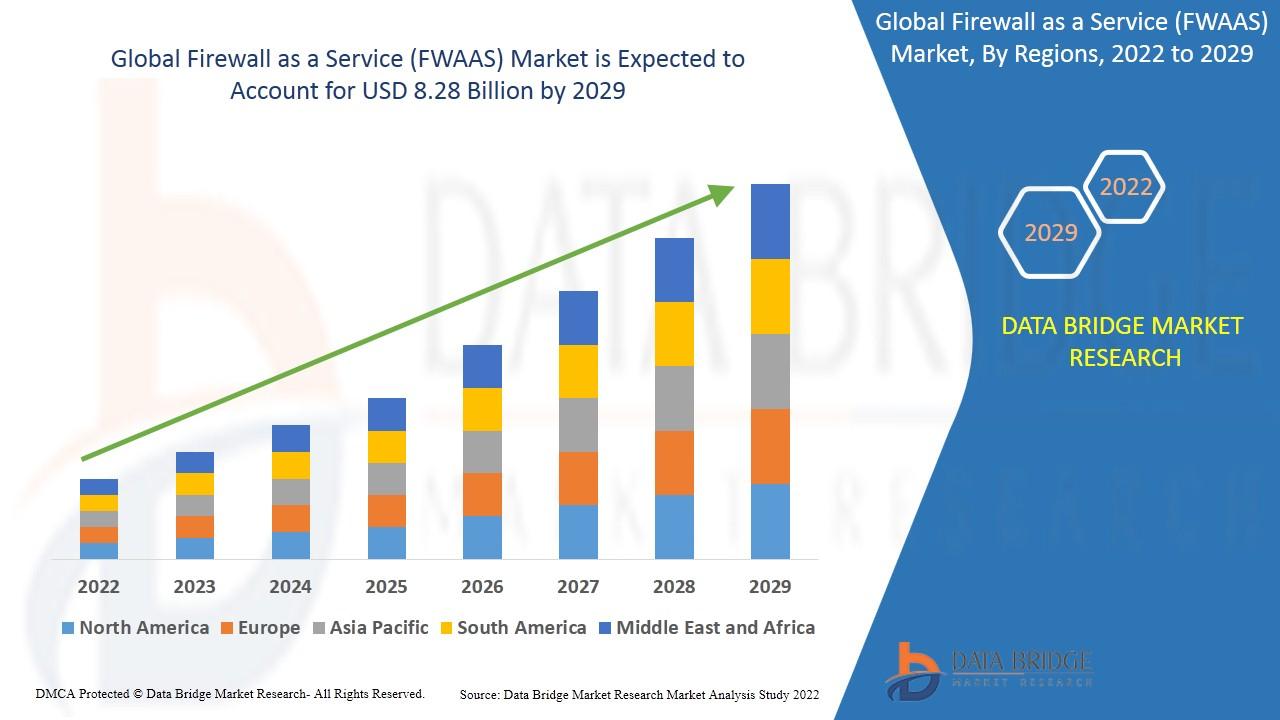
Market Trends Shaping Executive Summary Welding Products Market Size and Share CAGR Value: The global welding products market size was valued at USD 15.47 billion in 2024 and is projected to reach USD 23.27 billion by 2032, with a CAGR of 5.23% during the forecast period of 2025 to 2032. An influential Welding Products Market report contains key data about the market, emerging...