


Rajat Khare Explains Why AI, Machine Learning, Deep Tech, and Big Data Will Shape the Future
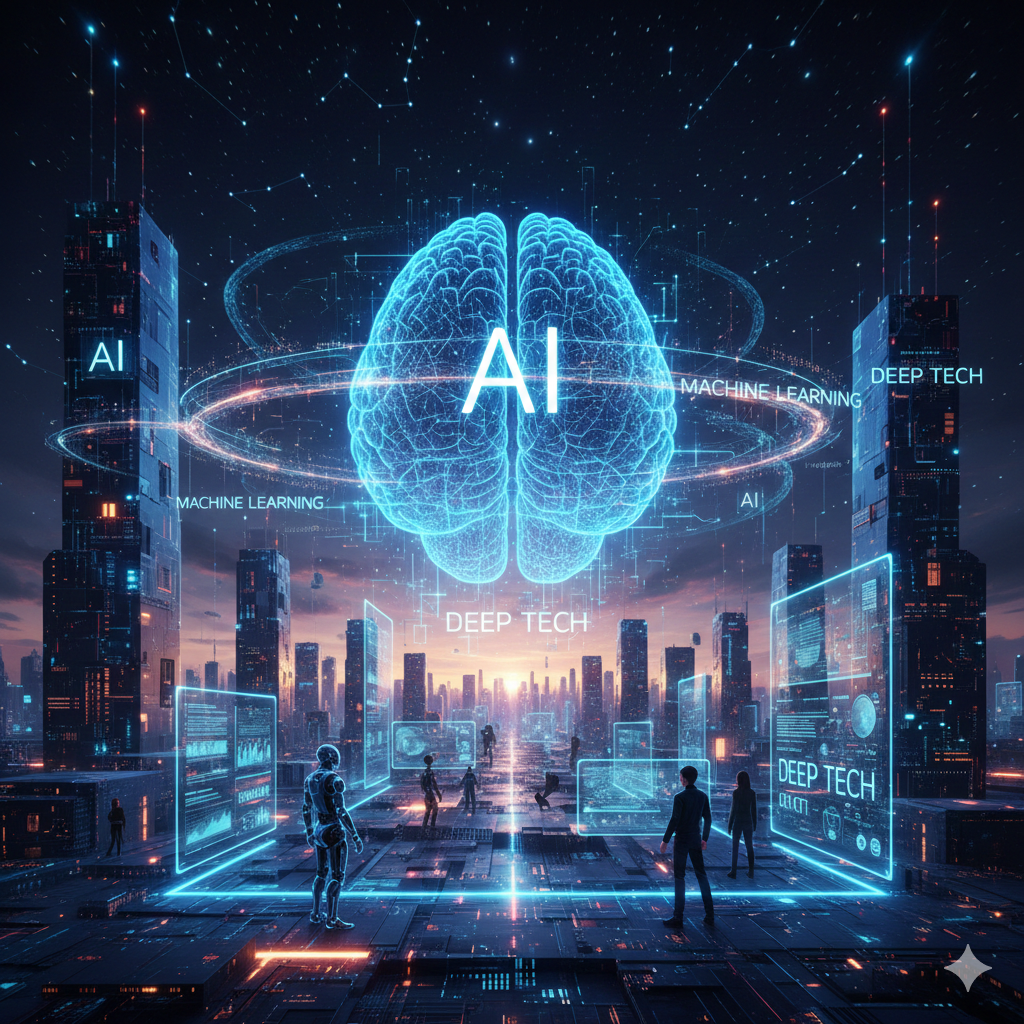
The future of our world is being defined by technology in ways that go far beyond everyday devices like smartphones and tablets. Long before we fully realize it, technological innovation has already transformed how we live, work, and make decisions.
Today, data sits at the core of every organization. Businesses across industries rely on data-driven insights to plan strategies and make informed decisions. It is difficult to imagine a modern world without data, especially as most electronic devices now depend on the Internet of Things (IoT) to collect and transmit information. From smart vehicles and connected homes to wearable fitness devices, IoT has expanded rapidly, influencing everything from temperature control to health monitoring. Combined with big data, these technologies are creating connected ecosystems designed to improve everyday life.
The impact is equally evident in the FinTech sector. By leveraging big data and intelligent algorithms, financial platforms can detect fraudulent behavior in real time, alert users, and stop suspicious transactions instantly. Advanced analytics also reduce the risk of unnecessary account blocks, improving accuracy and enhancing overall customer trust and satisfaction.
“Industries and manufacturers can apply robotics, artificial intelligence, machine learning, deep tech, and computer vision across production and operations,” said Rajat Khare, Founder of Boundary Holding, a Luxembourg-based venture capital firm. “These technologies help organizations reduce costs while increasing efficiency and precision.”
Market research suggests that by 2026, the global IoT big data solutions market could approach $51 billion. As technology evolves, demand for scalable data storage, advanced analytics, and reliable systems will continue to grow. Key sectors driving this expansion include finance, telecommunications, retail, healthcare, and transportation.
Future manufacturing platforms are expected to adopt federated data models that combine, aggregate, and analyze information across systems. By deploying AI and ML models at the edge, robots and autonomous systems can process data locally instead of continuously sending it to the cloud. Insights can then be transmitted back for model training and updates, which are redistributed to machines operating on factory floors or in the field.
While AI holds immense promise for societal advancement, its rapid adoption also raises concerns. If misused by corporations or governments, AI technologies could negatively impact privacy and human rights. Responsible development and ethical deployment are therefore essential.
Technology will always leave room for further growth and refinement. We have not reached the peak of innovation; rather, we are evolving at an accelerating pace. As our understanding deepens, so does our ability to use technology more effectively and responsibly.
From nanosatellites enabling IoT communication to AI and ML powering deep tech and big data, these systems are deeply interconnected. This convergence is shaping the future of data-driven decision-making across industries. AI also has the potential to play a transformative role in sustainability, climate action, and environmental protection. With advanced sensors and intelligent systems, cities of the future can become less congested, less polluted, and more livable—benefiting humanity at scale.
Source of URL- https://www.tycoonstory.com/rajat-khare-on-why-the-future-will-be-based-on-ai-ml-deeptech-and-big-data/
Sponsorizzato
Sponsorizzato
Categorie
- AI
- Design
- Fashion and Art
- Investment and Finance
- Top 10
- Christianity
- Climate and Enviroment
- Writing and Film
- Fitness
- Food
- Giochi
- Gardening
- Health
- Home and Interiors
- Marketing and Sales
- Music
- Making Money Online
- Others
- Books
- Religion
- Ecommerce
- Sports
- Cars
- Wellness
- Tech Gadgets
- Events
- Governments and Nations
- Science and Engineering
- Real Estate
- Travel, Tourism and Hospitality
- Formazione
- Startups
- Beauty and Cosmetics
- Agriculture
- Computer Operating Systems
- Crypto
- Politics and News
- Video Review
- Immigration
Leggi tutto
Women Intimate Care Market is expected to reach US$ 52.19 Bn by 2030, at a CAGR of 3.9% during the forecast period 2024-2030. Women Intimate Care Market Overview Maximize Market Research is a research firm. They provided an in-depth analysis of the "Women Intimate Care Market". The analysis includes price considerations, product and service demand, business knowledge, and a...

The global Digital Twin In Healthcare Market is witnessing rapid growth, driven by the increasing adoption of digital health technologies, rising demand for personalized medicine, and integration of AI and IoT in healthcare systems. According to Market Intelo’s latest report, the market was valued at USD 2.9 billion in 2023 and is projected to reach USD 7.1 billion by 2032, growing at a...

Executive Summary Automotive Test Equipment Market Size and Share Forecast CAGR Value: The global automotive test equipment market size was valued at USD 10.1 Billion in 2025 and is expected to reach USD 15.9 Billion by 2032, growing at a CAGR of 6.7% during the forecast period. Complex market insights are represented in a simpler version in...

In-Depth Study on Executive Summary Antivirus Gateways Security Market Size and Share Antivirus gateways security market is expected to reach USD 23,846.71 million by 2028 witnessing market growth at a rate of 20.30% in the forecast period of 2021 to 2028. As the high quality Antivirus Gateways Security Market survey report has precise and accurate analysis of market trends, future...
Milan Michalek returned in the direction of Ottawa very last thirty day period within just the exact same vogue he performed his 7 seasons with the quietly slipped into city, thoroughly beneath the ?presently 39 many years aged ?was not looking for exposure for his return, even while he was back again within Ottawa towards guidance with an significant trigger. He was getting section within just...