


How Florentine Powder Helps Professionals Maintain Uniform Texture and Finish
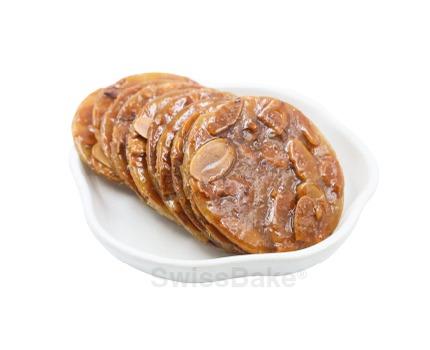
In professional surface work, decorative projects, and craft applications, achieving uniform texture and consistent finish is essential. Variations in material behaviour like uneven spreading, clumping, or inconsistent drying can create visible imperfections, affecting visual appeal and increasing rework, material use, and time. To address these issues, professionals use stabilising additives. Florentine powder is one such component, supporting predictable behaviour, refined texture, and reliable finish across various applications.
Rather than serving as a primary material, the powder acts as a stabiliser. Its fine particles integrate seamlessly with other components, ensuring consistent performance across projects and repeated production runs. Its role is subtle but critical, providing a foundation for precise results and smoother workflows.
Understanding the Powder in Professional Applications
Florentine powder is prized for its uniform particle size and fine texture, which allow it to blend evenly with dry materials, reduce clumping, and stabilise mixtures during preparation. This makes material behaviour more predictable, essential for professional projects requiring repeatability and quality control.
Poorly balanced formulations can result in rough patches, uneven thickness, or unstable finishes. The powder helps minimise these issues by supporting consistent behaviour during mixing, application, and drying. It integrates easily into workflows without major process changes, making it suitable for both small-scale craft work and larger production environments.
Practical Tip: Blend the powder thoroughly with dry components before adding liquids to ensure even dispersion and optimal performance.
How the Powder Improves Texture and Finish
Achieving a smooth and consistent finish requires materials that spread evenly, settle predictably, and maintain their intended structure. The powder supports these goals by balancing absorption and stabilising interactions between formulation components. This stabilisation prevents uneven behaviour during application and drying, which is often the primary cause of visible imperfections.
Its influence on material performance includes:
-
Refining texture to reduce graininess
-
Supporting smoother application and spreading
-
Preventing separation or settling during use
-
Encouraging even drying across surfaces
-
Enhancing layer stability for multi-step applications
These properties are crucial in professional applications where minor texture inconsistencies can significantly impact the overall finish and perceived quality.
Benefits for Professionals
Incorporating the powder into professional formulations offers multiple practical advantages:
-
Consistent surface quality: Maintains smooth, even finishes across applications
-
Reduced surface defects: Minimises streaks, bubbles, and uneven patches
-
Improved handling: Materials become easier to apply, manipulate, and control
-
Repeatable results: Ensures uniform outcomes across multiple batches or projects
-
Reduced rework: Saves time and resources by minimising corrections
-
Enhanced workflow efficiency: Reduces variability, allowing professionals to plan work more accurately
These benefits help professionals maintain high-quality standards while improving workflow efficiency, particularly in environments with tight schedules and high client expectations.
Common Applications
The powder is used across a variety of professional contexts where texture and finish are critical. Its stabilising properties make it a valuable addition in applications such as:
-
Decorative coatings and finishing layers
-
Artisan craft materials requiring refined texture
-
Surface preparation compounds for base layers
-
Mould and form detailing where precision edges are essential
-
Specialised blends requiring controlled application and predictable performance
Its versatility allows it to support both handcrafted work and scalable production processes, providing consistent outcomes across multiple types of projects.
Supporting Consistent Workflows
Material consistency is closely linked to workflow efficiency in professional environments. Variations in texture or drying behaviour can disrupt schedules, slow production, and increase waste. The powder stabilises formulations, allowing professionals to work with confidence and maintain predictable results.
By reducing variability, teams can:
-
Apply materials using standardised techniques
-
Minimise on-the-spot adjustments during preparation
-
Standardise processes across operators
-
Plan more effectively for drying, curing, or finishing stages
Practical Tip: Maintain a record of material ratios, preparation steps, and environmental conditions to ensure repeatable outcomes over time. Over multiple projects, this record becomes a valuable reference for maintaining quality.
Best Practices for Effective Use
To achieve reliable performance, the powder should be incorporated carefully and methodically. Recommended practices include:
-
Accurate measurement to maintain formulation balance
-
Thorough mixing to ensure even distribution
-
Conducting small-scale test applications before full-scale use
-
Applying under stable environmental conditions
-
Adjusting preparation parameters as needed based on material response
These practices ensure that the powder enhances texture and finish without compromising the intended properties of the final material.
Enhancing Visual Quality and Detail
Visual consistency is a defining factor in professional surface work. Smooth textures, clean transitions, and uniform finishes convey quality and professionalism. The powder supports these outcomes by helping materials behave consistently throughout application and drying.
Key visual improvements include:
-
Even surface texture across all areas
-
Cleaner detailing and sharper edges
-
Balanced appearance over larger surfaces
-
Reduced risk of uneven settling or surface defects
-
Improved layering for multi-step decorative processes
These enhancements are particularly valuable in projects where presentation and finish quality are critical.
Quality Control and Repeatability
Maintaining consistent quality across multiple projects requires controlled materials and repeatable processes. Minor variations in material behaviour can lead to noticeable differences in finish, especially in ongoing or large-scale work. The powder reduces these variations, ensuring stable formulations and predictable performance.
Routine testing, careful preparation, and documentation allow professionals to scale work efficiently while maintaining high-quality surfaces. Over time, this approach reduces waste, improves efficiency, and builds confidence in final outcomes.
Conclusion
In professional surface and decorative applications, achieving uniform texture and consistent finish requires both skill and stable materials.Florentine powder supports this balance by maintaining even texture, predictable application, and reliable surface behaviour. Its stabilising role helps professionals minimise defects, improve consistency, and meet high-quality standards across projects.
When used thoughtfully as part of a controlled preparation process, the powder contributes to efficient workflows, consistent results, and professional-quality finishes that enhance both appearance and performance.
Frequently Asked Questions (FAQs)
Q1: What is the primary purpose of the powder in professional applications?
A: It helps maintain smooth texture, stable mixtures, and consistent surface finishes.
Q2: Does it alter the appearance of materials?
A: No. It refines surface texture without changing the intended visual look.
Q3: How should it be incorporated?
A: Blend evenly with other dry components before adding liquids to ensure uniform performance.
Q4: Is it suitable for production-scale work?
A: Yes. It supports batch consistency and repeatable results across projects.
Q5: Is testing recommended before full-scale use?
A: Yes. Small trial applications help confirm ratios, behaviour, and finish before larger projects.
Sponsor
Sponsor
Categorieën
- AI
- Ontwerp
- Fashion and Art
- Investment and Finance
- Top 10
- Christianity
- Climate and Enviroment
- Writing and Film
- Fitness
- Food
- Spellen
- Gardening
- Health
- Home and Interiors
- Marketing and Sales
- Music
- Making Money Online
- Others
- Books
- Religion
- Ecommerce
- Sports
- Cars
- Wellness
- Tech Gadgets
- Events
- Governments and Nations
- Science and Engineering
- Real Estate
- Travel, Tourism and Hospitality
- Onderwijs
- Startups
- Beauty and Cosmetics
- Agriculture
- Computer Operating Systems
- Crypto
- Politics and News
- Video Review
- Immigration
Read More
In today’s competitive market, businesses and individuals are constantly seeking innovative ways to promote their brand and stand out. One of the most effective methods is through screen printing Dubai, a versatile printing solution that allows for high-quality designs on various materials. Whether it’s creating custom apparel, promotional items, or branded merchandise,...
Global Migraine Market Size and Share:Industry Overview and Forecast to 2032 CAGR Value Global migraine market size was valued at USD 3.95 billion in 2024 and is projected to reach USD 5.45 billion by 2032, with a CAGR of 4.10% during the forecast period of 2025 to 2032. This Migraine Market report includes a wide-ranging evaluation of the market’s growth prospects and...

According to new market intelligence from Intel Market Research, the global Autonomous Surface Vessels (6 to 24 ft) market was valued at US$ 184.68 million in 2023 and is projected to reach US$ 520.96 million by 2030, expanding at an impressive CAGR of 15.48% during the forecast period (2024-2030). This growth trajectory reflects accelerating maritime automation across defense, commercial, and...

MARKET INSIGHTS The global direct-fed microbials (DFM) market was valued at USD 1.34 billion in 2025 and is projected to reach USD 1.97 billion by 2032, exhibiting a CAGR of 5.8% during the forecast period. Direct-fed microbials, commonly referred to as probiotics, are live microorganisms that confer a health benefit on the host animal when administered in adequate amounts. They are...

In today’s fast-paced healthcare environment, hospitals, clinics, and pharmacies face growing demands from patients, regulatory bodies, and evolving technology. Adopting the right digital tools is no longer optional for healthcare providers as they strive to provide efficient care, maintain compliance, manage costs, and engage patients. Whether you run a large hospital or a chain of...