


How Data-Driven Digital Marketing Helps Businesses Scale Faster

In today’s competitive digital landscape, businesses can no longer rely on guesswork or intuition alone to drive growth. Customer behaviour is constantly evolving, platforms are changing, and competition is more intense than ever. To scale efficiently and sustainably, businesses need clarity, direction, and measurable results. This is where data-driven digital marketing plays a critical role.
By using real data to inform decisions, businesses can optimise their marketing efforts, reduce wasted spend, and focus on strategies that genuinely deliver results. Data-driven marketing allows brands to move faster, smarter, and with greater confidence.
What Is Data-Driven Digital Marketing?
Data-driven digital marketing is the practice of using insights from data to guide marketing strategies and decisions. This data can come from multiple sources, including website analytics, customer behaviour tracking, social media insights, paid advertising reports, and CRM systems.
Rather than making assumptions about what might work, businesses rely on actual performance metrics such as conversion rates, click-through rates, customer acquisition costs, and lifetime value. These insights help marketers understand what is working, what is not, and where improvements can be made.
Why Data Matters More Than Ever
Digital platforms provide access to more information than ever before. Every interaction a user has with a brand leaves behind valuable data. Businesses that know how to interpret and act on this information gain a significant advantage over competitors who rely on outdated or intuition-based strategies.
Data allows businesses to:
-
Identify high-performing marketing channels
-
Understand customer preferences and behaviour
-
Improve targeting and personalisation
-
Allocate budgets more efficiently
-
Measure return on investment accurately
When used correctly, data becomes a powerful growth engine rather than just a reporting tool.
Faster Decision-Making Through Real-Time Insights
One of the biggest benefits of data-driven marketing is speed. Instead of waiting months to evaluate campaign performance, businesses can access real-time data and make quick adjustments.
For example, if a paid advertising campaign is underperforming, data reveals this early, allowing marketers to tweak messaging, targeting, or budgets before significant resources are wasted. This agility enables businesses to respond quickly to market changes and scale faster than competitors who rely on slower, manual evaluations.
Improving Customer Targeting and Personalisation
Not all customers are the same, and data helps businesses recognise this. Data-driven marketing allows brands to segment audiences based on demographics, interests, behaviours, and past interactions.
This level of targeting leads to more relevant messaging, better engagement, and higher conversion rates. Personalised campaigns are more effective because they speak directly to the needs and motivations of specific audience segments rather than using generic messaging.
Businesses that understand their customers deeply can build stronger relationships and encourage long-term loyalty.
Optimising Marketing Spend for Better ROI
Scaling a business requires careful budget management. Data-driven digital marketing helps ensure that money is invested where it delivers the highest returns.
By analysing performance metrics, businesses can identify which channels generate the most leads, sales, or engagement. Underperforming campaigns can be paused or refined, while successful strategies receive more investment.
Working with experts like RealMonkey can help businesses interpret complex data and turn insights into actionable growth strategies without unnecessary trial and error.
Turning Website Data Into Growth Opportunities
A website is often the centre of a digital marketing strategy. Data-driven marketing uses website analytics to understand how users interact with content, where they drop off, and what drives conversions.
Key insights include:
-
Pages with high bounce rates
-
Conversion paths and user journeys
-
Content that attracts and retains visitors
-
Technical issues affecting performance
By addressing these insights, businesses can improve user experience, increase conversions, and maximise the value of their existing traffic.
Data-Driven SEO for Sustainable Growth
Search engine optimisation is one of the most effective long-term growth strategies, and data plays a central role in successful SEO campaigns. Keyword research, competitor analysis, and performance tracking allow businesses to focus on search terms that deliver real value.
A skilled SEO Agency uses data to:
-
Identify high-intent keywords
-
Monitor ranking improvements
-
Analyse search trends
-
Optimise content for user intent
-
Measure organic traffic growth
Rather than guessing which keywords to target, data ensures SEO efforts align with actual search behaviour and business goals.
Enhancing Paid Advertising Performance
Paid advertising platforms generate vast amounts of data, making them ideal for data-driven optimisation. Metrics such as cost per click, cost per acquisition, and conversion rates reveal how effectively campaigns are performing.
Data-driven marketers continuously test ad copy, visuals, audiences, and landing pages to improve performance. Small adjustments based on data can lead to significant improvements in results, allowing businesses to scale campaigns confidently and profitably.
Measuring What Truly Matters
Not all metrics are equally valuable. Data-driven marketing focuses on meaningful metrics that align with business objectives rather than vanity metrics that look impressive but offer little insight.
Important metrics include:
-
Lead quality and conversion rates
-
Customer acquisition cost
-
Lifetime customer value
-
Revenue attribution
-
Engagement that leads to action
By focusing on these indicators, businesses gain a clear understanding of how marketing contributes to growth and profitability.
Reducing Risk While Scaling
Scaling a business always involves some level of risk, but data-driven marketing helps minimise uncertainty. Decisions backed by data are more predictable and easier to justify.
Instead of investing heavily in untested strategies, businesses can run small experiments, analyse results, and scale what works. This measured approach reduces financial risk while increasing the likelihood of success.
Building a Culture of Continuous Improvement
Data-driven marketing encourages continuous learning and improvement. Campaigns are never considered “finished” but are constantly refined based on performance insights.
This mindset fosters innovation, accountability, and long-term success. Teams become more proactive, adaptable, and focused on measurable outcomes rather than assumptions.
Why Data-Driven Marketing Is Essential for Growth
Businesses that embrace data-driven marketing gain a competitive edge. They understand their customers better, make smarter decisions, and allocate resources more effectively.
As markets become more crowded and consumer expectations rise, relying on intuition alone is no longer enough. Data provides clarity, direction, and confidence, enabling businesses to scale faster and more sustainably.
Final Thoughts
Data-driven digital marketing is no longer optional for businesses that want to grow efficiently. By leveraging data to guide strategy, optimise performance, and measure results, businesses can accelerate growth while reducing risk.
From SEO and paid advertising to website optimisation and customer targeting, data empowers smarter decisions at every stage of the marketing journey. Businesses that invest in data-driven strategies position themselves for long-term success in an increasingly competitive digital world.
Patrocinados
Patrocinados
Categorías
- AI
- Diseño
- Fashion and Art
- Investment and Finance
- Top 10
- Christianity
- Climate and Enviroment
- Writing and Film
- Fitness
- Food
- Juegos
- Gardening
- Health
- Home and Interiors
- Marketing and Sales
- Music
- Making Money Online
- Others
- Books
- Religion
- Ecommerce
- Sports
- Cars
- Wellness
- Tech Gadgets
- Eventos
- Governments and Nations
- Science and Engineering
- Real Estate
- Travel, Tourism and Hospitality
- Educación
- Startups
- Beauty and Cosmetics
- Agriculture
- Computer Operating Systems
- Crypto
- Politics and News
- Video Review
- Immigration
Read More
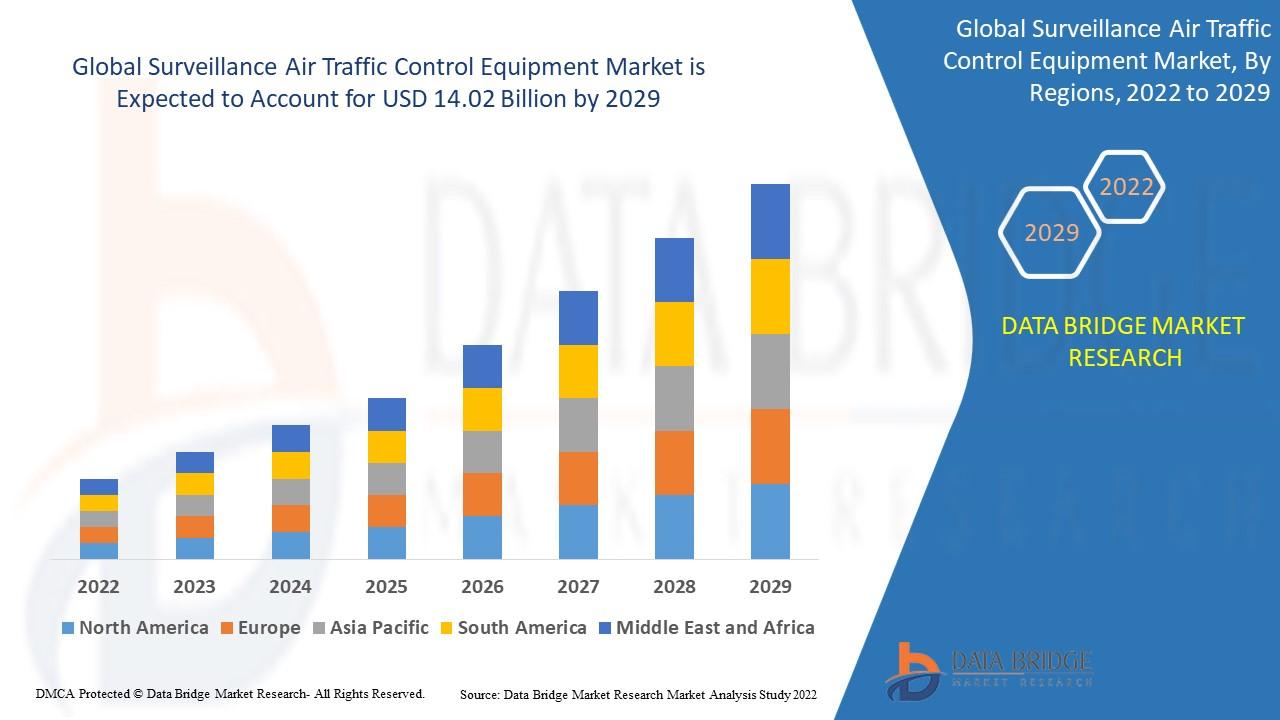
"Executive Summary Surveillance Air Traffic Control Equipment Market Size and Share: Global Industry Snapshot CAGR Value Global surveillance air traffic control equipment market was valued at USD 8.41 billion in 2021 and is expected to reach USD 14.02 billion by 2029, registering a CAGR of 6.60% during the forecast period of 2022-2029. This Surveillance Air Traffic Control Equipment...
When the summer sun beats down relentlessly, homes can quickly become uncomfortable, and indoor temperatures can soar beyond what your air conditioning system can handle efficiently. Homeowners are constantly seeking ways to create a cooler, more comfortable living environment while keeping energy bills in check. One of the most effective solutions gaining popularity is the use of solar...

Slot games have become one of the most popular attractions on Winbuzz, offering players a mix of entertainment, fast gameplay, and the thrill of big jackpot wins. Whether you are a new user exploring win buzz for the first time or someone accessing your account through Winbuzz Login, understanding how slots and jackpots work can help you get more out of your gaming experience. This guide...

PHNX 's Johnny Venerable and Bo Brock issued their listings of the 5 great and worst moves that Cardinals ' GM Monti Ossenfort contains intended previously mentioned the over and above 2 1 frasl;2 several I get pleasure from optimum regarding what Johnny and Bo do at PHNX is how they crank out constantly provocative facts of dialogue. Together with this significant one particular. Thank on your...

Executive Summary Sentiments Analytics Market Size and Share Across Top Segments The global sentiments analytics market will reach at an estimated value of 5,193.72 million and grow at a CAGR of 15.20% in the forecast period of 2021 to 2028. Sentiments Analytics Market research report comprises of fundamental, secondary and advanced information related to the global status and...