


7 Reasons Skilled Nursing Care Is Essential for Recovery
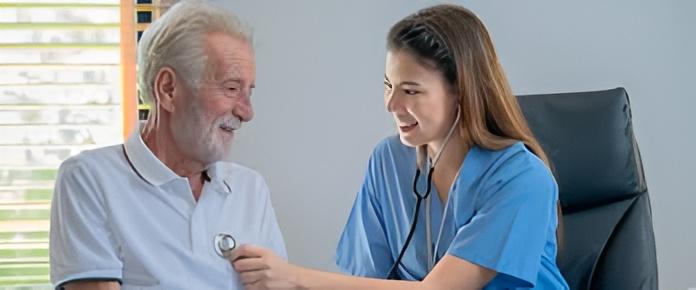
Recovery from a major illness, surgery, or serious injury can be a challenging journey. For many, skilled nursing care provides the structured medical support that people need to rebuild their health safely and successfully. Whether you are helping a loved one find the right services or planning your own care pathway, understanding why skilled nursing matters can help you make informed decisions.
Below, we explore seven important reasons why skilled nursing is essential for recovery, including what it means for patients in skilled nursing homes in Plano, TX and beyond.
What Is Skilled Nursing Care?
Skilled Nursing Care refers to professional medical care provided by trained nurses, therapists, and health specialists. It is typically offered in a licensed facility such as a hospital-affiliated unit, rehabilitation center, or a skilled nursing home. These services go beyond what family caregivers can safely provide at home and are often a critical step after a hospital stay.
1. Around-the-Clock Professional Medical Support
Continuous Monitoring Improves Safety
One of the most significant benefits of skilled nursing care is 24/7 monitoring by licensed professionals. This constant supervision reduces the risk of complications such as infection, falls, or medication errors—especially crucial for patients with complex health needs.
In facilities like skilled nursing homes in Plano, TX, caregivers are trained to identify early signs of health changes and respond immediately.
2. Customized Rehabilitation Therapy Accelerates Healing
Physical, Occupational, and Speech Therapy Designed for You
Recovery often requires more than rest. Skilled nursing settings integrate tailored therapy programs that focus on regaining mobility, strength, balance, and daily living skills. These therapies are led by licensed therapists who design plans based on each patient’s goals and progress.
Research shows that many patients who enter skilled nursing facilities after a hospital discharge are able to return home: approximately 60.5 percent of patients discharged to a skilled nursing setting were later discharged back to the community.
3. Lower Risk of Hospital Readmission
Professional Care Reduces Unplanned Returns to the Hospital
One of the most critical measures of recovery success is whether a patient remains out of the hospital. Skilled nursing care plays a valuable role in this area.
Facilities closely manage medications, monitor vital signs, and support rehabilitation, all of which help lower the chance of preventable readmissions a key quality metric tracked by healthcare systems.
4. Help with Daily Living Activities
Support with Eating, Dressing, and Mobility
After surgery or serious illness, even basic activities like eating or bathing can be exhausting or unsafe without help. Skilled nursing teams assist residents with essential daily tasks so they can focus energy on healing and rehabilitation.
This level of care ensures dignity, comfort, and safety during a sensitive period of recovery.
5. Comprehensive Care Coordination
Seamless Communication across Health Providers
Good recovery depends on continuity of care. Skilled nursing facilities act as hubs that coordinate care between your doctors, specialists, therapists, and family caregivers. These settings also manage follow‑up appointments, prescription changes, and care transitions, reducing confusion and gaps in treatment.
This coordination is especially valuable for people with multiple chronic conditions who require frequent medical attention.
6. Safe Environment during Vulnerable Periods
Designed for Healing and Reduced Risk
Unlike a typical home setting, skilled nursing environments are designed with safety in mind. From accessible rooms and grab bars to professional supervision and emergency response systems, these facilities provide a controlled setting where risks such as falls can be minimized.
This protected environment helps patients focus on recovery without the stress of navigating hazards on their own.
7. Emotional Support and Social Interaction
Community and Care Improve Well‑Being
Recovery does not only happen physically emotional and mental well‑being also matters. Skilled nursing environments offer more than medical care they provide structured social interaction, scheduled activities, family engagement, and support resources that combat isolation and improve mood.
This supportive context contributes to better overall health outcomes and fosters a positive recovery mindset.
The Local Perspective—Skilled Nursing Homes in Plano, TX
Quality Options for Local Residents
For families in the Plano area, there are multiple options when seeking skilled nursing homes in Plano, TX. The area offers a range of licensed facilities such as Life Care Center of Plano, Collinwood Care Center, Carrara, and Landmark of Plano that provide medical oversight, rehabilitation therapy, and personalized care plans.
While costs and amenities vary, these homes share a common mission: supporting recovery with skilled care that prioritizes health, safety, and quality of life.
Final Thoughts
Choosing skilled nursing care is more than a post‑hospital formality it is an investment in a stronger, safer, and more complete recovery. From professional medical support to emotional well‑being and therapy services, skilled nursing environments offer a structured path toward regaining independence.
If you or a loved one is approaching a recovery milestone, explore local options like skilled nursing homes in Plano, TX and consult healthcare professionals to determine the best next steps. With the right care, recovery does not just happen it thrives.
Sponsorizzato
Sponsorizzato
Categorie
- AI
- Design
- Fashion and Art
- Investment and Finance
- Top 10
- Christianity
- Climate and Enviroment
- Writing and Film
- Fitness
- Food
- Giochi
- Gardening
- Health
- Home and Interiors
- Marketing and Sales
- Music
- Making Money Online
- Others
- Books
- Religion
- Ecommerce
- Sports
- Cars
- Wellness
- Tech Gadgets
- Events
- Governments and Nations
- Science and Engineering
- Real Estate
- Travel, Tourism and Hospitality
- Formazione
- Startups
- Beauty and Cosmetics
- Agriculture
- Computer Operating Systems
- Crypto
- Politics and News
- Video Review
- Immigration
Leggi tutto
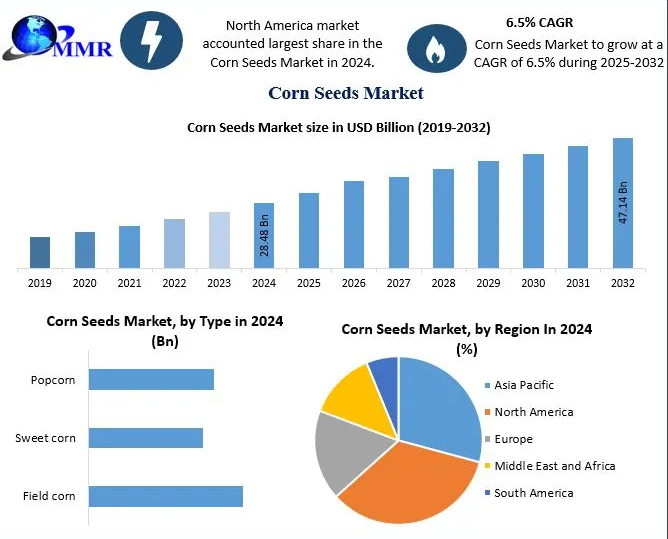
The Corn Seeds Market size was valued at USD 28.48 Billion in 2024 and the total Corn Seeds revenue is expected to grow at a CAGR of 6.5% from 2025 to 2032, reaching nearly USD 47.14 Billion. Market Size (2024): USD 28.48 Bn Forecast (2032): USD 47.14 Bn CAGR (2025–2032): 6.5% Gain Valuable Insights – Request Your Complimentary Sample Now...
Tendencias del mercado que configuran el resumen ejecutivo Tamaño y participación del mercado de bioestimulantes en América del Sur Se espera que el mercado de bioestimulantes gane crecimiento de mercado en el período de pronósticos de 2022 a 2029. Data Bridge Market Research analiza que el mercado está creciendo con una CAGR del 13,8% en el...

Executive Summary 3D Cell Culture Market Market Industry Overview and Forecast to 2032 CAGR Value The global 3D cell culture market size was valued at USD 2.62 billion in 2024 and is expected to reach USD 6.13 billion by 2032, at a CAGR of 11.20% during the forecast period This growth is driven by factors such as the increasing demand for more predictive...

Key Drivers Impacting Executive Summary Reporter Gene Assay Market Size and Share CAGR Value: Global reporter gene assay market size was valued at USD 724.05 million in 2024 and is projected to reach USD 1480.20 million by 2032, with a CAGR of 9.35% during the forecast period of 2025 to 2032. Analysis and discussion of important industry trends, market size, market share...

Executive Summary Product Engineering Services Market Size and Share: Global Industry Snapshot CAGR Value The global product engineering services market size was valued at USD 12,94.43 billion in 2024 and is expected to reach USD 25,54.72 billion by 2032, at a CAGR of 8.87 % during the forecast period Businesses can depend with confidence upon this...