


FCC Certification: Ensuring Safety and Compliance in Electronic Devices
In today’s world, electronic devices are everywhere—from smartphones and laptops to wireless routers and IoT gadgets. But before any device hits the U.S. market, it must meet strict standards set by the Federal Communications Commission (FCC). This is where FCC Certification comes into play. It ensures that devices operate safely, do not interfere with other electronics, and comply with federal regulations.
What is FCC Certification?
FCC Certification is a mandatory approval process for electronic and radio frequency (RF) devices sold or imported into the United States. Administered by the FCC, this certification ensures that a device’s electromagnetic emissions are within acceptable limits and that it does not cause harmful interference to other electronic equipment.
In simple terms, FCC Certification guarantees that the device is safe to use and won’t disrupt communication networks, such as Wi-Fi, cellular, or radio transmissions.
Why FCC Certification is Important
-
Regulatory Compliance: The FCC sets legal standards for all electronic devices sold in the U.S. Without certification, a product cannot be legally marketed.
-
Consumer Safety: FCC testing evaluates electromagnetic emissions to ensure devices are safe for human use.
-
Market Access: Many retailers and online platforms require FCC Certification before allowing products to be sold.
-
Avoiding Penalties: Non-compliant devices can face fines, recalls, or bans in the U.S. market.
Types of FCC Certification
The FCC recognizes several compliance procedures depending on the type of device:
-
Certification (FCC Part 2 and Part 15):
-
Most common for RF devices.
-
Requires testing by an FCC-accredited lab.
-
The device receives an FCC ID, which can be verified publicly.
-
-
Declaration of Conformity (DoC):
-
For devices with lower risk of interference, such as personal computers or peripherals.
-
Manufacturer ensures compliance but does not need pre-market approval from the FCC.
-
-
Verification:
-
Typically applies to devices like Class B digital devices.
-
Manufacturer conducts internal testing to ensure compliance.
-
The FCC Certification Process
Obtaining FCC Certification involves several steps:
-
Device Testing:
-
Testing is conducted in an accredited laboratory to measure electromagnetic emissions.
-
Tests vary depending on the device type, including radiated emissions, conducted emissions, and RF exposure.
-
-
Documentation Preparation:
-
Includes technical specifications, user manuals, schematics, and test reports.
-
Accurate documentation is critical for a smooth approval process.
-
-
Application Submission:
-
The manufacturer or authorized representative submits the application to the FCC or a Telecommunication Certification Body (TCB).
-
-
Review and Certification:
-
The FCC or TCB reviews the submitted documents.
-
If the device meets all requirements, an FCC ID is issued.
-
-
Market Release:
-
Once certified, the device can be legally marketed and sold in the U.S.
-
Devices That Require FCC Certification
FCC regulations cover a wide range of electronic devices, including:
-
Wireless communication devices: Smartphones, Wi-Fi routers, Bluetooth gadgets
-
Radio and TV transmitters
-
IoT devices: Smart home devices, wearable technology
-
Industrial and medical electronics: Equipment with RF components
Even simple consumer electronics like keyboards or speakers may need FCC testing if they emit radio frequency energy.
Benefits of FCC Certification
-
Enhanced Credibility: Products with FCC Certification demonstrate reliability and compliance, increasing consumer trust.
-
Market Competitiveness: Certification ensures your device can be sold nationwide and in online marketplaces.
-
Legal Protection: Manufacturers reduce the risk of lawsuits or regulatory action.
-
Improved Product Quality: The rigorous testing process ensures devices meet high technical standards.
Common Challenges in FCC Certification
-
Complex Regulations: Understanding which FCC rules apply can be confusing.
-
Testing Costs: Accredited lab testing can be expensive for small manufacturers.
-
Documentation Accuracy: Missing or incorrect information can delay approval.
-
Product Changes: Even minor design changes may require re-certification.
Conclusion
FCC Certification is a crucial step for any electronic device entering the U.S. market. It not only ensures compliance with federal regulations but also promotes safety, reliability, and consumer trust. Manufacturers who prioritize FCC Certification gain access to the vast U.S. market while avoiding legal and financial risks.
In a world increasingly reliant on electronics and wireless communication, FCC Certification is not just a legal requirement—it’s a mark of quality and safety.
Patrocinados
Patrocinados
Categorías
- AI
- Diseño
- Fashion and Art
- Investment and Finance
- Top 10
- Christianity
- Climate and Enviroment
- Writing and Film
- Fitness
- Food
- Juegos
- Gardening
- Health
- Home and Interiors
- Marketing and Sales
- Music
- Making Money Online
- Others
- Books
- Religion
- Ecommerce
- Sports
- Cars
- Wellness
- Tech Gadgets
- Eventos
- Governments and Nations
- Science and Engineering
- Real Estate
- Travel, Tourism and Hospitality
- Educación
- Startups
- Beauty and Cosmetics
- Agriculture
- Computer Operating Systems
- Crypto
- Politics and News
- Video Review
- Immigration
Read More
"Executive Summary Lung Cancer Surgery Market Size and Share: Global Industry Snapshot Data Bridge Market Research analyses that the market is growing with a CAGR of 5.5% in the forecast period of 2022 to 2029 and is expected to reach USD 5,092.07 million by 2029. Lung Cancer Surgery Market report offers the most appropriate solution for the business requirements in many ways....

Get ready for the electrifying UEFA Champions League group stage clash between Barcelona and Paris Saint-Germain (PSG). Explore expert match predictions, key players to watch, tactical insights, and discover how Mahadev Betting provides smart tips and strategies for football fans and bettors. Barcelona vs PSG Champions League 2025 – A Clash of European Giants The UEFA Champions League...

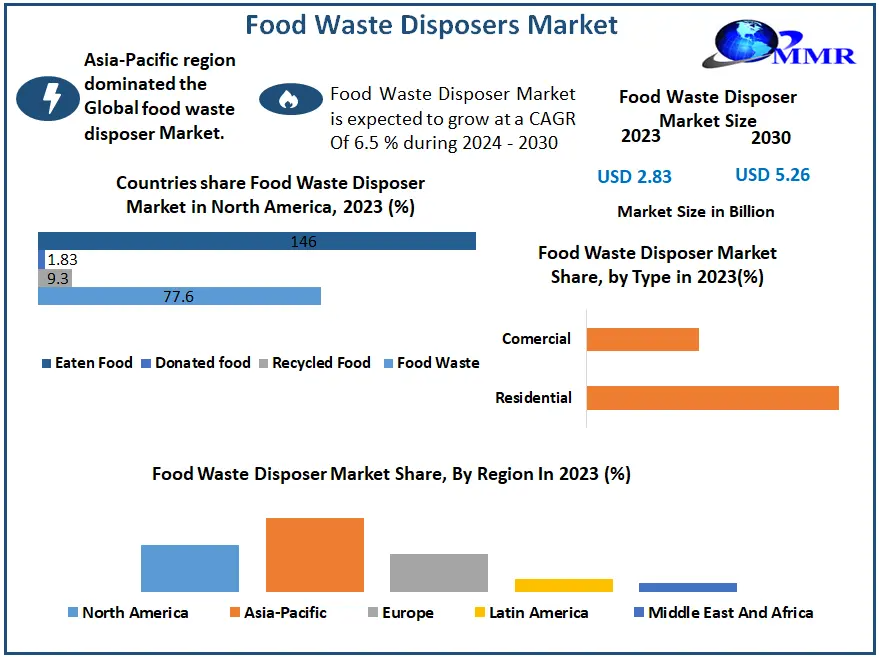
The Food Waste Disposers Market size was valued at USD 2.83 Billion in 2023 and the total Food Waste Disposers Market size is expected to grow at a CAGR of 6.5 % from 2024 to 2030, reaching nearly USD 5.26 Billion in 2030. Food Waste Disposers Market Overview Maximize Market Research is a research firm. They provided an in-depth analysis of the "Food Waste Disposers...
Análisis competitivo del resumen ejecutivo: Tamaño y participación del mercado de waffles Valor CAGR El tamaño del mercado global de waffles se valoró en USD 4,19 mil millones en 2024 y se proyecta que alcance los USD 6,23 mil millones para 2032, con una CAGR del 5,08% durante el período de pronóstico de 2025 a 2032. El informe del...
Market Overview The global Answering Machine market is witnessing steady growth, driven by ongoing demand for reliable home and office communication systems. According to Market Intelo’s latest report, the market was valued at USD 1.35 billion in 2024 and is projected to reach USD 2.12 billion by 2032, growing at a CAGR of 5.4% during the forecast period (2024–2032). Answering...