


The Technology Behind HANGSTERFER’S: What Makes Their Lubricants Superior
Introduction
In today’s fast-moving industrial world, efficiency, durability, and performance depend heavily on the quality of lubricants used in machinery. As industries continue to adopt advanced manufacturing technologies, the demand for specialized lubrication solutions has never been higher. This is where HANGSTERFER'S Lubricants stand out. Their reputation for exceptional performance isn’t accidental; it is the direct result of scientific innovation, deep research, and a strong understanding of how lubrication influences every stage of industrial production. In this blog, we explore the technology behind these high-performance lubricants and the reasons they are considered superior in the global market.
The Science Behind Modern Lubrication
Lubricants do much more than reduce friction. They manage heat, protect surfaces from wear, prevent corrosion, and enhance the lifespan of machinery. In modern industrial applications, lubrication has become a science that relies on chemistry, engineering, and performance testing. Advanced lubricants are engineered with precision to function under extreme pressure, high temperatures, and continuous operation. They must support material stability, maintain viscosity, and resist evaporation even under demanding conditions.
What Sets High-Performance Lubricants Apart
Engineered Molecular Structures
One of the biggest differences between ordinary lubricants and high-performance ones is their molecular design. Lubricants created with advanced molecular structures form stronger, more stable films between metal surfaces. This reduces direct contact, lowers temperature generation, and prevents early component failure.
Superior Additive Packages
Additives are the functional enhancers of lubricants. Anti-wear agents, corrosion inhibitors, extreme pressure enhancers, and oxidation stabilizers all contribute to advanced performance. What makes hangsterfer's lubricants unique is their ability to balance these additives in a way that supports both performance and equipment protection.
Precision Viscosity Control
Lubricants function effectively only when viscosity remains stable. Too thick, and the machinery becomes inefficient. Too thin, and it leads to metal-to-metal contact. Superior lubricants maintain viscosity, even when exposed to extreme operational cycles. This stability is essential for industries like metalworking, CNC machining, and high-speed manufacturing lines.
The Importance of Clean-Burn Technology
A standout feature in advanced lubrication technology is clean-burn characteristics. Clean-burn lubricants generate minimal residue, meaning they do not create sludge or harmful buildup inside machines. This leads to cleaner operations, better heat control, and fewer equipment breakdowns. It also minimizes the need for frequent cleaning or maintenance shutdowns.
Reduced Smoke and Odor
Clean-burn formulations are particularly essential in environments where operators work directly with machinery. They reduce smoke, improve air quality, and minimize strong odors that can affect health and comfort.
Extended Equipment Life
Since clean-burn fluids reduce carbon and varnish deposits, they help machinery maintain optimal performance throughout its operational life.
Advanced Cooling Technology in Lubricants
Industrial machines generate enormous heat. If uncontrolled, heat can lead to rapid tool wear, metal distortion, and product inaccuracy. This is why cooling technology is at the heart of superior lubricants.
Heat Dissipation
High-performance lubricants absorb and disperse heat quickly. This prevents overheating and allows machines to operate at higher speeds without sacrificing accuracy.
Thermal Stability
Thermal stability ensures that lubricants do not break down at elevated temperatures. Breakdown leads to poor lubrication, oxidation, and eventual equipment damage. Advanced lubricants remain chemically stable, even during continuous high-temperature operations.
Environmentally Conscious Formulations
Modern industries are shifting toward greener operations. Superior lubricants incorporate eco-focused formulations that minimize environmental impact. Many advanced lubrication technologies reduce chemical waste, lower emissions, and improve recyclability.
Biodegradable Components
Advanced lubricants may include biodegradable base oils that break down naturally without harming the environment. This makes them suitable for industries seeking sustainable solutions.
Lower Hazard Levels
Cleaner chemicals and reduced volatile compounds contribute to safer working environments and lower regulatory concerns.
High Precision Performance for Modern Machinery
CNC and Metalworking Applications
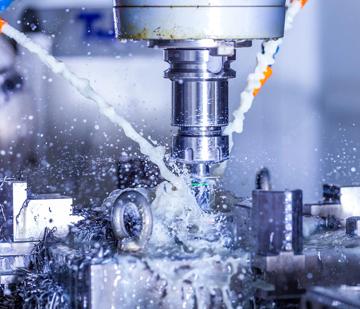
Precision machining demands a lubricant that delivers consistency. The cooling, cleaning, and lubricating properties of HANGSTERFER'S Lubricants make them suitable for high-accuracy applications. They ensure smooth cutting, prevent tool welding, and reduce burr formation.
High-Speed Industrial Machines
High-speed machines require lubricants that respond immediately to friction and temperature changes. Advanced formulations support rapid lubrication film recovery and ensure uninterrupted operation.
Heavy-Duty Manufacturing
Heavy manufacturing equipment experiences high pressure, high load, and continuous stress. Lubricants with superior film strength and additive support ensure reliability under these demanding conditions.
Clean Surface Technology
Clean surface technology ensures that lubricants perform their tasks without leaving behind unwanted residue. This is especially important in metalworking, where lubricants must cool and clean simultaneously.
Control of Chip Formation
In machining operations, lubricants help control chip formation and removal. Cleaner chips lead to better surface finishes and reduce tool wear.
Reduced Staining
Some lubricants stain or discolor metal surfaces. Superior lubricants use stain-free formulations that protect material appearance.
The Role of Research and Testing
Behind every advanced lubricant is a rigorous process of testing and quality control. Research teams develop new formulas, test them under real industry conditions, and modify them until they achieve optimal performance. From laboratory simulations to full-scale production trials, the goal is always to ensure reliable, repeatable results.
Performance Testing
Tests may include friction reduction studies, corrosion simulation, viscosity analysis, and heat resistance measurement. These tests ensure that lubricants maintain stability across all common industrial environments.
Real-World Validation
After laboratory testing, lubricants are evaluated in real-world conditions to verify effectiveness. This includes long-duration testing, extreme load testing, and compatibility trials with various machine materials.
The Four Ways These Lubricants Stand Out
Longer Machine Life
Advanced lubrication reduces wear and friction, extending the lifespan of tools and components.
Better Surface Finishes
Effective lubricants produce cleaner, more accurate finishes in machining applications without sacrificing speed.
Higher Efficiency
Machines that experience less friction and heat run more efficiently, lowering energy consumption.
Reduced Maintenance
Cleaner formulation and better stability reduce the frequency of maintenance intervals and machine downtime.
Final Thought
Superior lubricants are not created by accident. They are the result of deep research, advanced chemistry, and ongoing innovation. The technologies behind hangsterfer's lubricants show how modern lubrication can transform industrial performance. By reducing friction, controlling heat, preventing wear, and enhancing precision, these lubricants help industries achieve reliability, efficiency, and long-term operational success.
Sponsorizzato
Sponsorizzato
Categorie
- AI
- Design
- Fashion and Art
- Investment and Finance
- Top 10
- Christianity
- Climate and Enviroment
- Writing and Film
- Fitness
- Food
- Giochi
- Gardening
- Health
- Home and Interiors
- Marketing and Sales
- Music
- Making Money Online
- Others
- Books
- Religion
- Ecommerce
- Sports
- Cars
- Wellness
- Tech Gadgets
- Events
- Governments and Nations
- Science and Engineering
- Real Estate
- Travel, Tourism and Hospitality
- Formazione
- Startups
- Beauty and Cosmetics
- Agriculture
- Computer Operating Systems
- Crypto
- Politics and News
- Video Review
- Immigration
Leggi tutto
Competitive Analysis of Executive Summary Aquatic Herbicides Market Size and Share CAGR Value The global aquatic herbicides market is expected to gain significant growth in the forecast period of 2022 to 2029. Data Bridge Market Research analyses that the market is growing with a CAGR of 6.1% in the forecast period of 2022 to 2029 and is expected to reach USD 1,651.29 million by 2029...

Principaux facteurs influençant le résumé exécutif : taille et part de marché des serres intelligentes Le marché mondial des serres intelligentes était évalué à 4,80 milliards USD en 2021 et devrait atteindre 13,69 milliards USD d'ici 2030, enregistrant un TCAC de 10,8 % au cours de la période de...
Global Rolling Bearing Steel Market continues to exhibit steady growth, with its valuation reaching USD 2,646 million in 2023. Industry analysis projects the market to grow at a CAGR of 2.90%, reaching approximately USD 3,232.19 million by 2032. This sustained expansion is driven by increasing demand from automotive, aerospace, and industrial machinery sectors, particularly in...
Executive Summary: Polytetramethylene Ether Glycol (PTMEG) Market Size and Share by Application & Industry Data Bridge Market Research analyses that the global polytetramethylene ether glycol (PTMEG) market which was USD 4,348.04 million in 2022, is expected to reach USD 7,754.63 million by 2030, and is expected to undergo a CAGR of 7.50% during the forecast period of 2023 to...

Hottest Maison Margiela Flats Sale Maisonmargielasale.com