

International Symposium on Engineering Challenges in Industrial Growth

The International Symposium on Engineering Challenges in Industrial Growth is a distinguished global academic event designed to explore, analyze, and address the pressing engineering issues that influence industrial expansion, competitiveness, and sustainable development in the 21st century Engineering Conference. Positioned under the overarching vision of the International Conference on Engineering, Management and Social Sciences (ICEMSS) — a premier interdisciplinary forum that fosters knowledge exchange across engineering, management, and social sciences — this symposium zeroes in on the pivotal role engineering plays within industrial ecosystems and how engineering innovations can drive inclusive and sustainable economic growth.
Purpose and Significance
Industrial growth remains a cornerstone of national development, economic resilience, and technological progress. However, as industries evolve in response to globalization, digital transformation, environmental constraints, and shifting socio-economic expectations, engineering challenges become increasingly complex. The International Symposium on Engineering Challenges in Industrial Growth aims to create a vital intellectual platform where researchers, engineers, industry experts, policymakers, and educators can collaborate, share insights, and present solutions that address these complexities.
Aligned with the mission of the ICEMSS to foster interdisciplinary research and innovation, this symposium bridges theoretical frameworks with practical industrial applications. It brings together thought leaders and practitioners who seek to advance engineering knowledge that not only solves technical problems but also contributes to economic growth, sustainability, and societal well-being.
Symposium Themes
The symposium is built around several core themes that reflect the multifaceted nature of engineering challenges influencing industrial growth. These themes are designed to encourage wide participation from diverse engineering disciplines and foster integrated thinking that transcends traditional academic boundaries.
1. Emerging Technologies and Industrial Innovation
Industrial growth is increasingly driven by emerging technologies such as automation, artificial intelligence, Internet of Things (IoT), robotics, and advanced manufacturing systems. Research in this domain focuses on how these technologies enhance productivity, improve quality, and create new industrial paradigms. Discussions explore the integration of digital tools to support smarter manufacturing, predictive maintenance, and agile production frameworks, reflecting the dynamic needs of modern industrie.
2. Sustainable and Green Engineering Practices
As industries expand, sustainable development becomes critical. Engineering contributions to energy efficiency, waste reduction, resource optimization, and environmentally friendly production processes are essential to mitigate industrial pollution and support long-term ecological balance. This theme invites research that promotes circular economy principles, sustainable materials, renewable energy systems, and engineering solutions that minimize environmental footprints while supporting industrial competitiveness.
3. Infrastructure Engineering for Industrial Development
Robust infrastructure — including transportation networks, power systems, water supply, and communication networks — underpins industrial growth. Research and innovations in infrastructure engineering focus on designing resilient, cost-effective, and scalable systems that support industrial hubs and logistics ecosystems. This theme encourages contributions that address infrastructure challenges in both emerging and developed economies.
4. Industrial Engineering and Operational Excellence
Industrial engineering principles enhance operational efficiency and increase system reliability. Topics under this theme include supply chain optimization, process re-engineering, quality control, lean manufacturing practices, and production system modeling. Contributions examine how industrial engineering tools and methodologies can reduce bottlenecks, improve process flows, and support sustainable production goals.
5. Safety, Risk Management, and Regulatory Compliance
Industrial environments involve complex safety risks and compliance requirements. Engineering research focused on safety engineering, risk assessment methodologies, hazard mitigation, and regulatory frameworks supports the creation of secure, compliant industrial operations. This theme promotes knowledge sharing on best practices for safety standards, occupational health, and risk management in industrial systems.
6. Engineering Education and Skills for Industrial Growth
To sustain industrial growth, the engineering workforce must be equipped with relevant skills and competencies. Research in this area explores pedagogical innovations, curriculum development, industry-academia collaborations, and training programs that prepare engineers for real-world industrial challenges. This theme supports discussions on how education systems can adapt to technological shifts and labor market demands.
Interdisciplinary Focus and Industrial Impacts
The International Symposium on Engineering Challenges in Industrial Growth emphasizes interdisciplinary approaches that connect engineering with economic, social, and managerial perspectives. While the technical dimensions of engineering challenges are critical, understanding how they intersect with organizational strategy, workforce dynamics, and societal expectations is equally important. The symposium thus encourages contributions that integrate engineering insights with management principles and socio-economic considerations — reflecting the broader interdisciplinary ethos of the ICEMSS series.
For example, research might explore how digital manufacturing technologies affect labor markets, influence organizational change, or alter supply chain dynamics. Other studies may examine how engineering solutions can support public infrastructure development while generating economic opportunities in underserved regions. These interdisciplinary collaborations create a rich intellectual environment where innovative solutions thrive.
Participation and Contributions
Researchers, practitioners, industry representatives, doctoral students, and policymakers are invited to submit original research papers, case studies, technical reports, and conceptual frameworks. Submissions undergo a rigorous peer-review process to ensure academic quality and practical relevance. Accepted contributions are featured in symposium proceedings and may be recommended for publication in indexed journals, enhancing their visibility and impact on global discourse.
The symposium typically includes keynote speeches from distinguished experts, technical sessions for detailed research presentations, panel discussions that explore emerging challenges and trends, and interactive poster sessions that highlight innovative work from early-career researchers.
Networking and Collaboration
A key strength of the International Symposium lies in its ability to connect participants from diverse geographic and professional backgrounds. By fostering networking opportunities, the symposium encourages collaborations that extend beyond the event itself. Participants can form research partnerships, industry-academia linkages, and international research consortia, thereby strengthening their contribution to industrial innovation and growth.
Engineering Solutions for Global Challenges
Engineering plays a central role in addressing many of the global challenges associated with industrial growth — including climate change, resource scarcity, economic inequality, and technological disruption. The symposium highlights how engineering research and innovation can provide practical solutions that are economically viable, environmentally responsible, and socially inclusive.
For instance, research addressing energy-efficient industrial technologies can contribute to climate mitigation efforts while supporting industrial competitiveness. Similarly, innovations in materials science can lead to more sustainable product life cycles, reducing waste and conserving critical resources. By spotlighting these contributions, the symposium promotes engineering as an enabler of sustainable industrial futures.
Conclusion
The International Symposium on Engineering Challenges in Industrial Growth stands as a significant international platform where cutting-edge research, practical insights, and collaborative problem-solving converge. It aligns with the ICEMSS mission of encouraging interdisciplinary excellence, fostering global knowledge exchange, and addressing complex real-world challenges through scholarly and practical contributions.
Sponsorizzato
Sponsorizzato
Categorie
- AI
- Design
- Fashion and Art
- Investment and Finance
- Top 10
- Christianity
- Climate and Enviroment
- Writing and Film
- Fitness
- Food
- Giochi
- Gardening
- Health
- Home and Interiors
- Marketing and Sales
- Music
- Making Money Online
- Others
- Books
- Religion
- Ecommerce
- Sports
- Cars
- Wellness
- Tech Gadgets
- Events
- Governments and Nations
- Science and Engineering
- Real Estate
- Travel, Tourism and Hospitality
- Formazione
- Startups
- Beauty and Cosmetics
- Agriculture
- Computer Operating Systems
- Crypto
- Politics and News
- Video Review
- Immigration
Leggi tutto
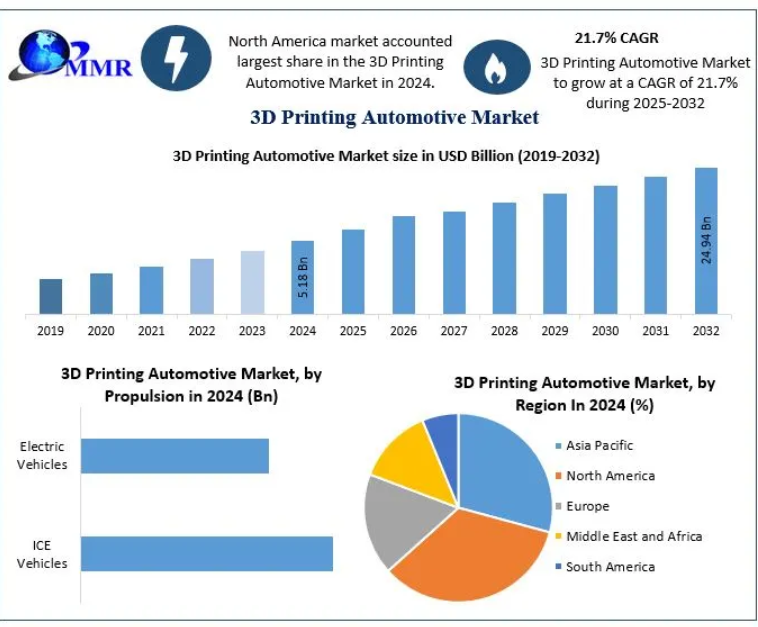
The 3D Printing Automotive Market size was valued at USD 5.18 Billion in 2024 and the total 3D Printing Automotive revenue is expected to grow at a CAGR of 21.7% from 2025 to 2032, reaching nearly USD 24.94 Billion. 3D Printing Automotive Market Report Overview: The objective of MMR’s 3D Printing Automotive Market report is to empower stakeholders with actionable...
Future of Thailand Luxury Residential Real Estate Market: Key Dynamics, Size & Share Analysis The Thailand Luxury Residential Real Estate Market size was valued at around USD 71.27 billion in 2024 and is projected to reach USD 88 billion by 2030. Along with this, the market is estimated to grow at a CAGR of around 3.49% during the forecast period, i.e., 2025-30. Thailand Luxury...

As per MarkNtel Advisors The UAE Preventive Cardiology Market size was valued at around USD 43.93 million in 2024 and is expected to reach USD 65.92 million by 2030. Along with this, the market is estimated to grow at a CAGR of around 7% during the forecast period, i.e., 2025-30 UAE Preventive Cardiology Market Systems Market Outlook: The Russian Seed Market is rapidly evolving,...

The global Inventory Tags market is set for steady expansion, valued at USD 6.0 billion in 2025 and projected to reach about USD 10.2 billion by 2033, growing at a compound annual growth rate (CAGR) of 4.8% during the forecast period. Inventory tags are essential for asset management, supply chain operations, and inventory tracking in industries like retail, manufacturing, healthcare,...
Executive Summary This report provides a comprehensive overview of the GCC Data Center Containment Market analyzing size, growth trends, key segments, and competitive dynamics. It highlights market drivers, challenges, and emerging opportunities while offering actionable insights for strategic decision-making. Historical data, current analysis, and future forecasts are included to help...