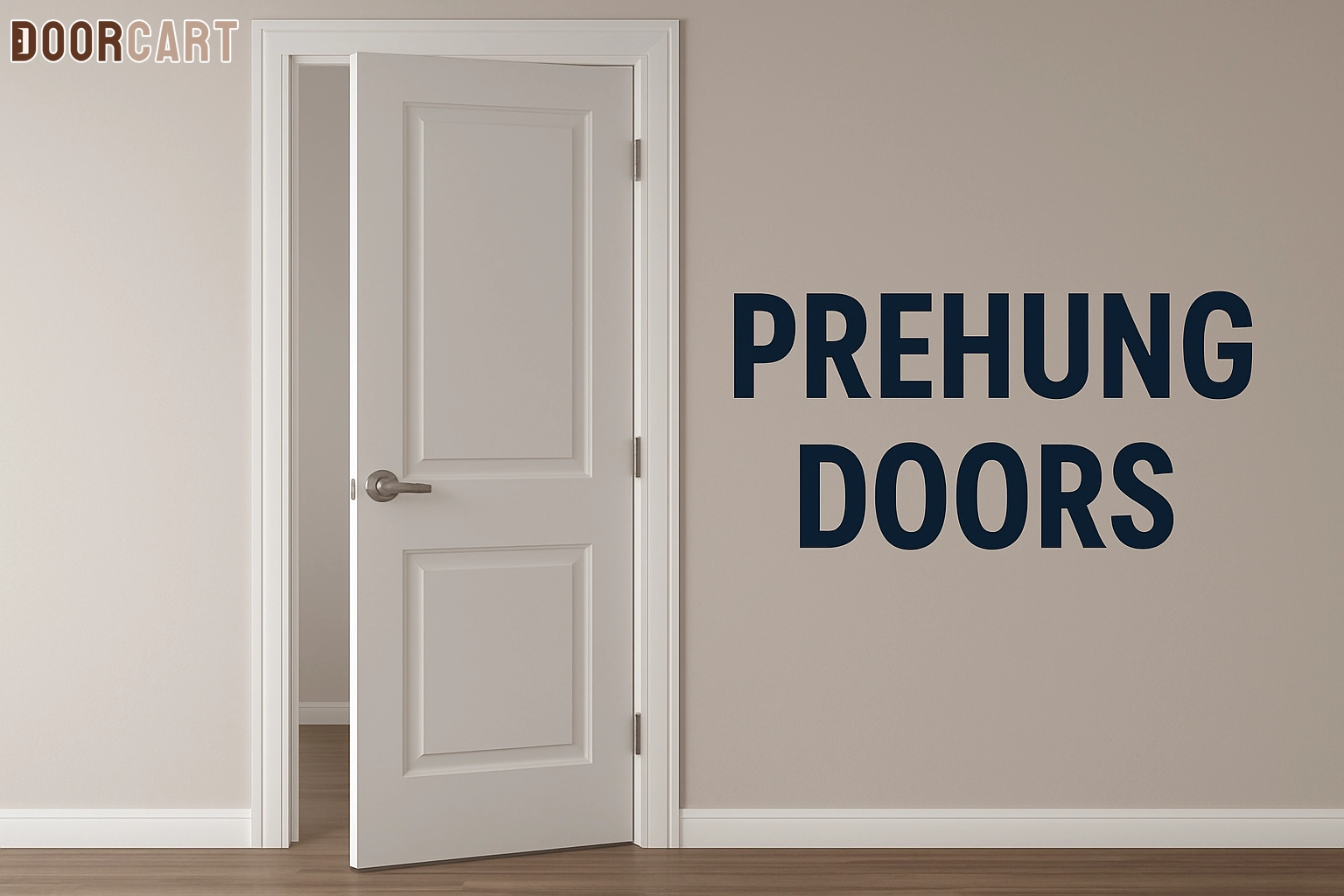
In the diverse tapestry of the Canadian housing market—from the Victorian character homes of Toronto to the sleek new builds in Calgary and the cozy, weather-beaten cottages of the Maritimes—one upgrade consistently stands out for its transformative power: the door. But not just any door installation. For homeowners, contractors, and builders across Canada, the prehung doors has become the gold standard, marrying time-tested practicality with modern efficiency. This comprehensive guide delves into why prehung doors are not just a product, but a pivotal choice for anyone looking to enhance their Canadian home.
What Exactly is a Prehung Door?
Let’s start with the basics. A prehung door is a complete door system sold as a single, ready-to-install unit. It includes:
-
The Door Slab: The actual door itself.
-
The Frame (Jamb): The surrounding structure, already assembled with the top jamb and two side jambs.
-
The Hinges: Pre-mortised (recessed) into both the door and the frame, with the pin already in place.
-
The Door Stop: The trim inside the frame that prevents the door from swinging through.
-
Often, Pre-Cut for Hardware: The bore hole for the latch and the recess for the strike plate are typically pre-cut.
In essence, it’s a door that arrives at your home in a box, with nearly all the carpentry work done for you. You’re not just buying a door; you’re buying a precision-engineered assembly designed to fit together perfectly.
Why Prehung Doors are a Perfect Fit for the Canadian Market
Canada’s unique climate and housing trends make prehung doors an exceptionally smart choice.
1. Conquering the Climate: Superior Weatherization
Canada is a country of extremes—sweltering summer humidity, deep-freeze winters, driving rain, and relentless wind. A door is a primary barrier against these elements. Prehung doors, especially exterior ones, are often equipped with integrated thermal breaks and premium weatherstripping systems as standard or optional features. The factory-applied weatherstripping is consistently applied in a controlled environment, creating a more reliable seal against drafts, moisture, and snow than a site-built alternative. This translates directly to improved energy efficiency, lower heating bills, and enhanced home comfort—a critical consideration from British Columbia to Newfoundland.
2. The Efficiency Edge for Contractors and DIYers
The Canadian construction industry faces tight timelines, especially in the peak building seasons. For contractors, the labour savings are monumental. Installing a prehung door is a task that can often be completed by one or two people in under an hour, compared to the multi-hour process of mortising hinges, assembling a frame, and aligning a slab door from scratch. This efficiency speeds up project completion, reduces labour costs, and minimizes on-site errors.
For the savvy Canadian DIYer, prehung doors demystify a complex project. The most technically challenging aspects (hinge mortising, frame squaring) are already handled. With basic tools and careful attention to levelling and plumbing, a competent homeowner can successfully install a prehung door, achieving a professional-looking result that boosts both curb appeal and interior aesthetics.
3. Consistency and Quality in New Builds & Renovations
Canada’s booming new home and renovation markets demand consistency. Builders of subdivisions or multi-unit projects rely on prehung doors for uniform quality and fit in every unit. In renovations, particularly in older homes where settling may have occurred, a new prehung door system provides a "reset." It offers a perfectly square and plumb unit that can be shimmed to fit an existing rough opening, often solving long-standing issues with sticking or latching that plagued the old door.
4. Aesthetic Variety to Match Canadian Tastes
Whether your style leans towards the rustic charm of a cottage, the clean lines of a West Coast modern home, or the traditional elegance of a Quebecois maison, the prehung door market caters to it. Manufacturers and suppliers across Canada offer an immense selection:
-
Materials: Solid wood (oak, maple, fir), engineered wood, fiberglass, and steel.
-
Styles: Panel doors, French doors, sliding patio door systems, and modern flush designs.
-
Finishes: From pre-primed units ready for your paint colour to factory-finished stained woods and durable fiberglass grains that mimic wood flawlessly.
Key Considerations When Buying Prehung Doors in Canada
Navigating the purchase requires attention to a few crucial details:
-
Interior vs. Exterior: This is the first decision. Exterior doors are heavier, built with solid cores or insulating materials, and come with robust locking systems and full weatherstripping. Interior doors are lighter, often hollow-core or solid-core, and focus on sound dampening and aesthetic appeal.
-
Rough Opening Size: This is the structural opening in your wall. You must measure this accurately (width, height, and wall depth) before purchasing. Standard sizes exist (e.g., 30", 32", 36" for exterior), but Canadian older homes often have custom openings. The prehung unit is designed to fit into this opening with a small gap for adjustment via shims.
-
Handing (Swing Direction): Stand outside the door (for exterior) or on the side where the door opens away from you. If the hinges are on your left, it’s left-hand (LH). If on your right, it’s right-hand (RH). Getting this wrong is a costly error.
-
Material Choice:
-
Steel: The most secure and energy-efficient exterior option for Canadian winters; dent-resistant with a polyurethane foam core. Requires a painted finish.
-
Fiberglass: A premium choice offering exceptional energy efficiency, durability, and the ability to emulate wood grain finishes without the maintenance. Ideal for harsh climates.
-
Wood: Offers classic beauty and solidity. Requires more maintenance (staining, sealing) to protect against Canadian sun and moisture. Popular for both interiors and high-end exteriors.
-
Engineered Wood (MDF/HDF): A stable, affordable, and eco-friendly option primarily for interior doors, perfect for a smooth paint finish.
The Installation Process: A Canadian Context
Proper installation is where the benefits of a prehung door are fully realized. The core steps involve:
-
Preparation: Removing the old door and frame, ensuring the rough opening is structurally sound and clear of debris.
-
Dry-Fitting: Placing the new unit into the opening to check fit.
-
Levelling and Plumbing: Using a level and shims to ensure the frame is perfectly vertical (plumb) and level. This is critical for proper operation and sealing.
-
Securing: Screwing through the hinge-side jamb and shims into the wall framing, then repeating on the latch side and head jamb.
-
Sealing and Finishing: For exterior doors, applying a generous bead of high-quality, flexible exterior caulking (like polyurethane) around the exterior perimeter is non-negotiable in Canada to prevent water ingress. Finally, installing interior casing (trim) and exterior brickmould or siding trim completes the job.
A Note on Building Codes: Always ensure your door, especially an exterior one, meets or exceeds local and national building codes, which in Canada address factors like energy efficiency (e.g., ENERGY STAR® ratings) and safety.
The Investment: Cost vs. Value
While the upfront cost of a prehung door is higher than a slab door alone, the true cost analysis must include labour and results. When you factor in the significant reduction in skilled labour time, the reduced risk of errors, and the guaranteed proper alignment and sealing, the total installed cost is often comparable or even lower than a slab door installation. Moreover, for an exterior door, the investment pays dividends in energy savings, security, and immediate curb appeal, which is a strong factor in Canadian real estate.
Conclusion: A Smart Foundation for Any Opening
The prehung door is more than a convenience; it’s a testament to intelligent building science. It aligns perfectly with the needs of the Canadian homeowner and builder: resilience against a demanding climate, respect for efficiency and value, and a desire for beauty and quality. Whether you’re sealing out a Prairie blizzard, updating a Vancouver condo, or adding character to a Halifax home, choosing a prehung door provides a solid, stylish, and smart foundation for any opening. It’s a decision that closes the door on drafts and difficulty, and opens up a world of enduring quality and comfort.