


Women’s Bridal Dress: A Complete Guide to Style, Tradition, and Modern Trends
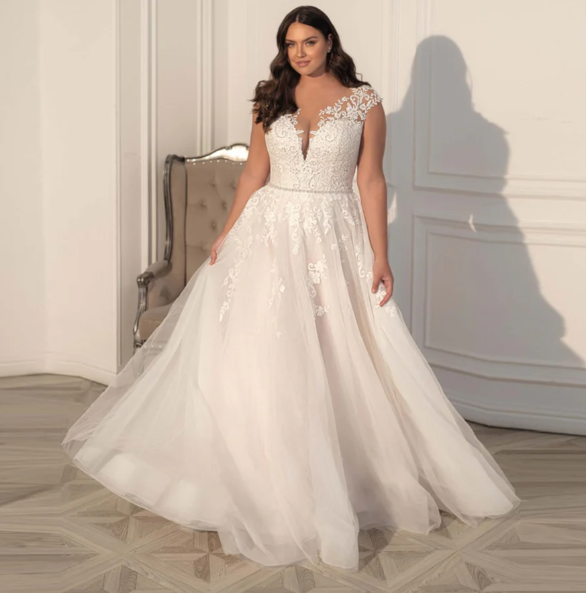
A women’s bridal dress is far more than a piece of clothing—it is a symbol of love, commitment, culture, and personal expression. For many women, choosing the perfect bridal dress is one of the most emotional and memorable parts of wedding planning. From traditional silhouettes rooted in centuries of history to modern designs influenced by global fashion, bridal dresses continue to evolve while retaining their timeless charm. This article explores the beauty, types, fabrics, trends, and cultural significance of women’s bridal dresses, helping every bride understand what makes this garment so special.
The Meaning and Importance of a Women’s Bridal Dress
The women’s bridal dress represents a bride’s journey into a new phase of life. Traditionally, it reflects purity, elegance, and celebration, but today it also reflects individuality and confidence. Brides no longer choose a dress only because of tradition; they select designs that match their personality, body type, and wedding theme. Whether a bride dreams of a royal gown, a minimalist silhouette, or a culturally rich outfit, the bridal dress becomes a powerful symbol of her identity on her special day.
Popular Styles of Women’s Bridal Dresses
There are many styles of women’s bridal dresses, each offering a unique look and feel:
Ball Gown:
This is one of the most classic and dramatic bridal dress styles. Featuring a fitted bodice and a full skirt, ball gowns create a fairytale appearance. They are ideal for formal and grand weddings.
A-Line Dress:
The A-line women’s bridal dress is universally flattering. It fits at the top and gently flares out, making it comfortable and elegant. This style works well for almost all body types.
Mermaid and Trumpet Styles:
These dresses are designed to highlight curves. The mermaid bridal dress fits closely to the body and flares out at the knees, while the trumpet style flares slightly higher. These styles are perfect for brides who want a bold and glamorous look.
Sheath and Column Dresses:
Minimalist brides often prefer sheath bridal dresses. These dresses follow the natural shape of the body and are ideal for beach or destination weddings.
Traditional and Cultural Bridal Dresses:
In many cultures, women’s bridal dresses are colorful and richly embroidered. For example, South Asian brides wear heavily embellished lehengas or ghararas, while Middle Eastern brides often choose luxurious gowns with intricate beadwork.
Fabrics Used in Women’s Bridal Dresses
The fabric of a women’s bridal dress plays a crucial role in its appearance and comfort. Some of the most popular fabrics include:
-
Silk: Known for its smooth texture and luxurious feel, silk is a classic bridal fabric.
-
Satin: Satin bridal dresses have a rich shine and structured look, perfect for elegant weddings.
-
Lace: Lace adds romance and femininity to bridal dresses, often used for sleeves, bodices, or overlays.
-
Tulle: Lightweight and airy, tulle is commonly used in skirts and veils to create volume and softness.
-
Chiffon: Ideal for simple and flowy designs, chiffon bridal dresses are perfect for outdoor weddings.
Colors and Modern Trends
While white remains the most popular color for women’s bridal dresses, modern brides are embracing new shades. Ivory, champagne, blush, and pastel tones are increasingly popular. In some cultures, red, gold, and deep maroon symbolize good fortune and prosperity, making them preferred bridal colors.
Current trends in women’s bridal dresses include minimalist designs, detachable skirts, statement sleeves, and sustainable fabrics. Brides are also opting for versatile dresses that can be styled differently for ceremonies and receptions.
Choosing the Perfect Women’s Bridal Dress
Selecting the right women’s bridal dress requires careful consideration. Brides should think about the wedding venue, season, and theme. Comfort is just as important as style, as the bride will wear the dress for several hours. It is also essential to choose a dress that complements the bride’s body shape and personal taste rather than simply following trends.
Bridal fittings are a key part of the process. Alterations ensure the dress fits perfectly and enhances the bride’s confidence. Accessories such as veils, jewelry, and shoes should complement the dress without overpowering it.
Cultural Significance of Women’s Bridal Dresses
Across the world, women’s bridal dresses reflect cultural values and traditions. In Western cultures, white symbolizes purity and new beginnings. In Eastern cultures, vibrant colors and heavy embroidery represent joy, wealth, and blessings. These traditions add emotional depth to the bridal dress, connecting modern brides with generations before them.
Conclusion
A women’s bridal dress is one of the most meaningful garments a woman will ever wear. It combines tradition, fashion, emotion, and individuality into a single masterpiece. Whether simple or extravagant, modern or traditional, the perfect bridal dress is one that makes the bride feel beautiful, confident, and truly herself. As bridal fashion continues to evolve, women’s bridal dresses will always remain at the heart of wedding celebrations, symbolizing love, hope, and the beginning of a new journey.
Patrocinados
Patrocinados
Categorías
- AI
- Diseño
- Fashion and Art
- Investment and Finance
- Top 10
- Christianity
- Climate and Enviroment
- Writing and Film
- Fitness
- Food
- Juegos
- Gardening
- Health
- Home and Interiors
- Marketing and Sales
- Music
- Making Money Online
- Others
- Books
- Religion
- Ecommerce
- Sports
- Cars
- Wellness
- Tech Gadgets
- Eventos
- Governments and Nations
- Science and Engineering
- Real Estate
- Travel, Tourism and Hospitality
- Educación
- Startups
- Beauty and Cosmetics
- Agriculture
- Computer Operating Systems
- Crypto
- Politics and News
- Video Review
- Immigration
Read More
"Detailed Analysis of Executive Summary Cybersecurity Market Size and Share CAGR Value Global cybersecurity market size was valued at USD 203.86 billion in 2025 and is projected to reach USD 421.82 billion by 2032, with a CAGR of 9.5% during the forecast period of 2025 to 2032. In the universal Cybersecurity Market research report, global, local and regional level is considered to...

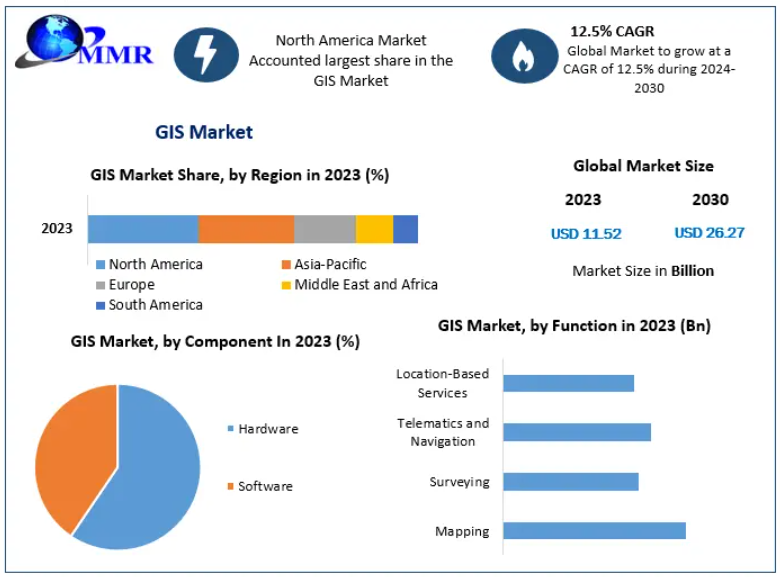
Global GIS Market: Transforming Decision-Making Through Spatial Intelligence The Global Geographic Information System (GIS) Market was valued at USD 11.52 billion in 2023 and is projected to reach USD 26.27 billion by 2030, growing at a robust CAGR of 12.5% during the forecast period (2024–2030). The increasing adoption of location-based services,...
Introduction In today’s fast-moving digital landscape, access to reliable information and efficient content distribution is more important than ever. Novopress has emerged as a modern solution that supports high-quality publishing, clear communication, and effective media outreach. Whether used by businesses, writers, or organizations, Novopress plays a valuable role in shaping how...

MarkNtel Advisors, a leading market research and consulting firm, has announced the release of its latest study titled UAE Health Insurance Market Research Report: Forecast (2025-2030). This report provides a detailed assessment of the UAE Health Insurance Market, covering its evolving dynamics, emerging trends, key growth drivers, major challenges, and competitive landscape....

"Key Drivers Impacting Executive Summary Multi-omics Market Size and Share The global multi-omics market size was valued at USD 3.34 billion in 2024 and is expected to reach USD 10.36 billion by 2032, at a CAGR of 15.20% during the forecast period. Business intelligence has been employed here to create Multi-omics Market report which is a vital aspect...