


Interior Design: Transforming Spaces with Creativity and Functionality

Interior design is far more than the artful arrangement of furniture or the simple selection of paint colors. It is a multifaceted profession that applies creative and technical solutions to achieve a built interior environment. These solutions are functional, enhance the quality of life and culture of the occupants, and are aesthetically attractive. At its core, interior design is the deliberate shaping of experience, emotion, and behavior within a space.
The Pillars of Interior Design
Effective interior design rests on several foundational pillars that guide every decision, from initial concept to final installation.
1. Space Planning: This is the cornerstone of the profession. It involves analyzing how a space will be used and organizing the layout of furniture, fixtures, and pathways to optimize flow, function, and safety. Good space planning ensures a room is not just beautiful, but livable and efficient, whether it’s an open-plan office, a compact apartment, or a grand foyer.
2. Elements and Principles of Design: Designers work with fundamental elements—space, line, forms, light, color, texture, and pattern. They manipulate these elements using guiding principles like balance (symmetrical or asymmetrical), rhythm (through repetition or progression), harmony, emphasis (creating a focal point), and contrast. Mastery of these tools allows a designer to create a cohesive and intentional visual narrative.
3. Color Theory: Color is one of the most powerful tools in a designer’s arsenal. It influences mood, perception of space, and energy levels. Warm colors (reds, oranges) can energize and create intimacy, while cool colors (blues, greens) tend to calm and make spaces feel more expansive. Designers use color wheels, understand hue, saturation, and value, and create sophisticated palettes to evoke specific psychological and emotional responses.
4. Lighting Design: Lighting is often called the "fourth dimension" of interior design. A well-lit space layers three types of light: ambient (general illumination), task (focused light for activities), and accent (to highlight art or architecture). The quality, color temperature, and placement of light can dramatically alter the atmosphere of a room, making it feel warm and inviting or crisp and productive.
5. Materiality and Texture: The surfaces we touch and see ground a design in reality. The cool smoothness of marble, the warmth of reclaimed wood, the plush softness of a wool rug, or the sleekness of polished metal all contribute to the sensory experience. Mixing textures adds depth, richness, and visual interest, preventing a space from feeling flat or sterile.
The Design Process: From Vision to Reality
Professional interior design follows a structured process to ensure client needs are met and projects are executed successfully.
-
Programming: The designer meets with the client to understand their needs, desires, lifestyle, and budget. This phase defines the project's "why" and establishes clear goals.
-
Concept Development: Inspired by the program, the designer creates a conceptual direction. This may include mood boards, inspiration imagery, and preliminary color and material palettes to convey the intended feel of the space.
-
Schematic Design: Initial space plans and layouts are drafted. Furniture arrangements, preliminary lighting plans, and key material selections begin to take shape.
-
Design Development: The concept is refined with detailed drawings, finalized material samples, furniture specifications, and more precise cost estimates.
-
Construction Documentation: For substantial renovations, the designer prepares technical drawings that contractors will use for construction, including detailed plans for built-in elements, electrical layouts, and more.
-
Procurement and Implementation: The designer sources all specified items and manages orders. During the construction or installation phase, they oversee the process, ensuring the design is executed correctly and resolving any on-site issues.
-
Styling and Final Reveal: The final layer involves artfully placing accessories, art, textiles, and decorative objects to bring the space to life and deliver the finished environment to the client.
Gesponsert
Gesponsert
Kategorien
- AI
- Design
- Fashion and Art
- Investment and Finance
- Top 10
- Christianity
- Climate and Enviroment
- Writing and Film
- Fitness
- Food
- Spiele
- Gardening
- Health
- Home and Interiors
- Marketing and Sales
- Music
- Making Money Online
- Others
- Books
- Religion
- Ecommerce
- Sports
- Cars
- Wellness
- Tech Gadgets
- Veranstaltungen
- Governments and Nations
- Science and Engineering
- Real Estate
- Travel, Tourism and Hospitality
- Ausbildung
- Startups
- Beauty and Cosmetics
- Agriculture
- Computer Operating Systems
- Crypto
- Politics and News
- Video Review
- Immigration
Mehr lesen
Renewable Isobutene Market is demonstrating remarkable expansion, valued at USD 11 million in 2023 and projected to reach USD 22.27 million by 2032, growing at a steady pace. This bio-based alternative to petroleum-derived isobutene is gaining traction as industries worldwide pivot toward sustainable chemical solutions amid tightening environmental regulations and shifting consumer...

Comprehensive Outlook on Executive Summary Endoscope Reprocessing Market Size and Share Endoscope reprocessing market is expected to gain market growth in the forecast period of 2021 to 2028. Data Bridge Market Research analyses the market to grow at a CAGR of 8.20% in the above-mentioned forecast period. A competitive era calls for businesses to be equipped with acquaintance of the major...

"Global Demand Outlook for Executive Summary Display Market Size and Share CAGR Value The global display market was valued at USD 191.56 billion in 2024 and is expected to reach USD 365.21 billion by 2032 During the forecast period of 2025 to 2032 the market is likely to grow at a CAGR of 8.7%, primarily driven by the advancements in OLED and mini-LED...
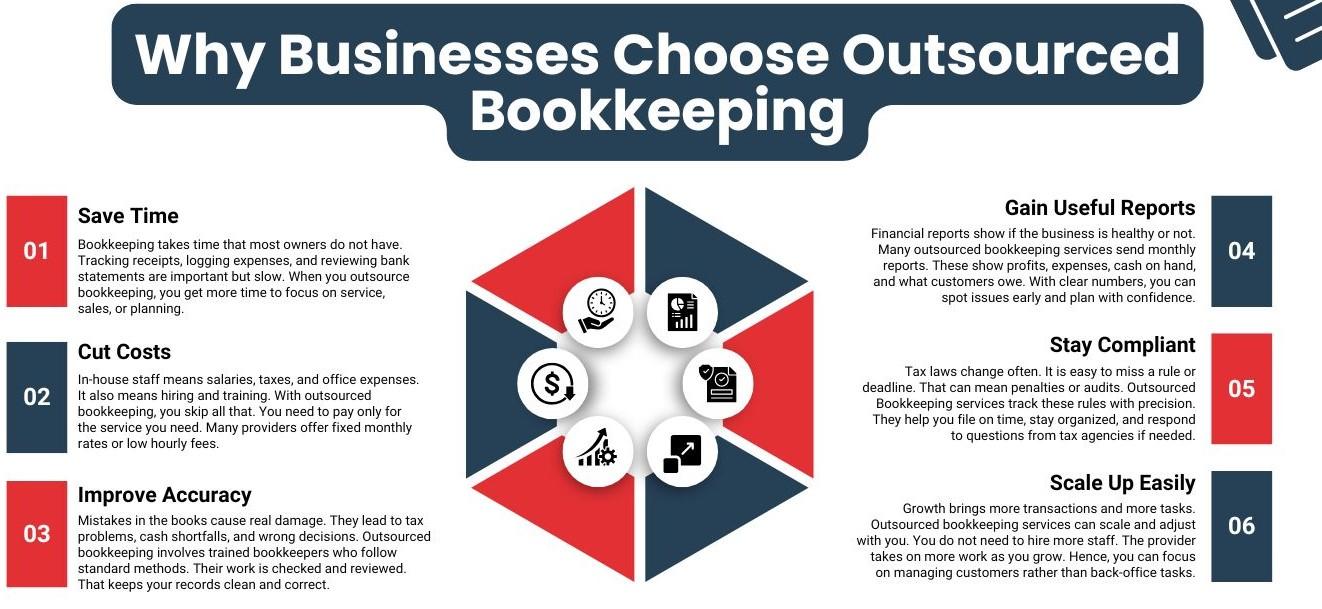
Thinking about outsourced bookkeeping for startups but unsure if it’s the best fit? Today’s founders juggle marketing, hiring, tech, compliance, and more—so financial management can easily get overwhelming. This blog unpacks the benefits, drawbacks, and frequent mistakes to help you make an informed decision about outsourcing bookkeeping. What...
The weapon swap system in Path of Exile 2 represents one of the most significant gameplay innovations, offering players unprecedented flexibility and strategic depth in combat. Unlike traditional setups where a single weapon set dictates a character’s capabilities, this system allows instantaneous switching between two fully equipped six-linked weapon sets, each with its own skill and...