


The Ideal Vest for Club Riders: Fit, Material, Patch Placement and Identity Considerations
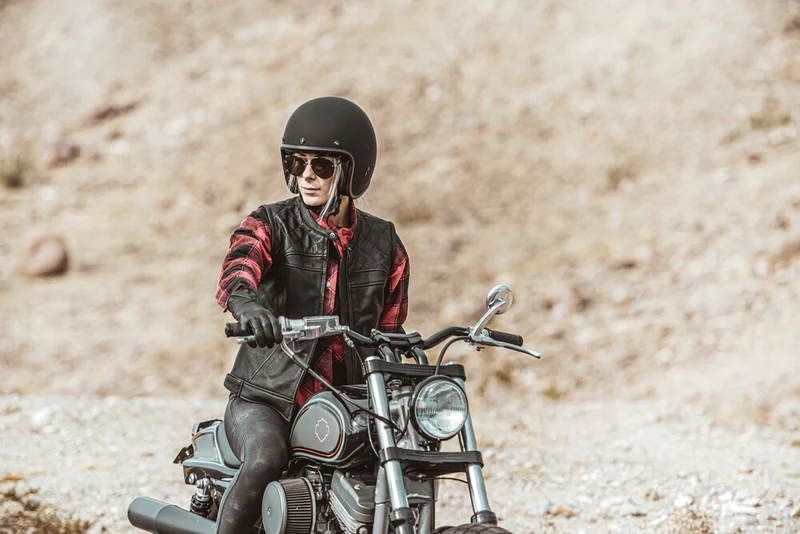
A club rider’s vest is not chosen the way casual gear is selected. It is closer to a second skin than a fashion layer. Over time, it absorbs wind, heat, rain, road dust, and memory. When riders search for the ideal vest, what they genuinely want is clarity. They want something that feels right on the bike, carries their identity correctly, and lasts long enough to tell a story.
In the early stages, many riders begin by comparing a mens leather biker vest against other options, thinking mainly about appearance. However, experienced riders know that the real value lies deeper, in material behaviour, construction discipline, and how the vest performs hour after hour in real riding conditions.
This guide approaches the vest as a working tool within riding brotherhood culture. Each section flows from how a vest is built, to how it fits the body, to how it represents a rider’s place within a group.
Material and Construction
Leather is not just leather. The difference between a vest that lasts five seasons and one that lasts fifteen often comes down to how the hide was selected and treated.
Genuine leather remains the baseline, but club riders usually look beyond labels. Cowhide leather is widely preferred for its balance of abrasion resistance and flexibility. Buffalo leather offers a heavier, more rugged style, favoured by riders who want a visible sense of toughness. Naked cowhide, finished without heavy coatings, feels more natural and breaks in faster.
Full-grain leather is the top choice for longevity, while top-grain leather offers a slightly refined surface with consistent strength. Leather thickness matters here. Too thin, and protection is compromised. Too thick; the riding posture comfort suffers.
Construction details quietly define quality. Reinforced stitching and double-stitched seams handle the constant pull of patches and movement. Hardware choices, such as YKK zippers and snap-button closures, ensure reliability. Inside, a polyester lining provides durability, a mesh lining improves airflow for summer riding gear, and a satin lining offers smoother layering in all-season motorcycle gear.
Fit and Comfort
A proper club rider vest is designed for the riding position, where comfort and alignment matter most.
-
True-to-size fit creates the correct base
-
Adjustable side laces and straps refine comfort
-
V-neck design eases pressure at the throat
-
Club-style vest keeps the back clean for patches
-
Action back allows natural shoulder movement
-
Lightweight leather helps reduce fatigue
-
The right fit fades away during the ride
Patch Placement and Club Functionality
In club culture, patches speak before words do. Patch placement follows logic shaped by tradition and respect. A vest must support this language without distortion.
The back panel for patches needs uninterrupted space. A club patch-friendly vest avoids seams or decorative panels that interfere with the layout. Side lace club vest designs are standard because they maintain width without cluttering the back.
Poor fit ruins good patch placement. When leather pulls, patches warp. When it sags, stitching weakens. This is why motorcycle club vest design always ties structure and placement together.
A cut leather vest that holds its shape ensures that identity remains legible, even after thousands of miles.
Safety and Protection
While vests are lighter than jackets, they still play a role in motorcycle safety apparel. Abrasion resistance from quality leather provides a first line of protection. Some designs offer CE armour compatibility via a back armour pocket or a chest armour pocket, providing impact protection without bulk.
Functional safety features often overlap with lifestyle needs. Concealed carry protection is common among club riders. Concealed carry pockets, gun holster pockets, and dual conceal carry systems must be supported by reinforced pocket lining and secure closures. A well-designed interior gun pocket includes a magazine pocket positioned for balance, not sagging.
This blend of protective riding gear and discretion reflects how club riders think. Safety is built in, not advertised.
Functional Features
Beyond protection, a vest must perform well in motion. Interior storage pockets handle essentials during motorcycle road trips. Zippered pockets prevent loss at speed, while snap pockets allow quick access at fuel stops.
Good design respects use cases:
-
Cruiser riders appreciate easy access during relaxed riding
-
Touring riders need stability over long hours
-
Urban riders value minimal bulk during city riding
Whether layered over a hoodie or worn over a leather motorcycle jacket, functionality should feel intuitive. When features interrupt movement, they cease to be features.
Style and Lifestyle
The classic biker look is not loud. It is deliberate. A minimalist design communicates confidence without distraction. Black leather vest styles dominate club environments, while brown and distressed leather vest options appeal to riders seeking a vintage motorcycle vest aesthetic.
Modern biker vest designs clean up lines without losing soul. Plain back panels, limited hardware, and consistent finishes support both outlaw biker style and contemporary club expectations.
This balance matters because a vest is worn off the bike as much as on it. It becomes part of the rider’s public presence within riding brotherhood culture.
Care, Maintenance, and Long-Term Value
Leather rewards attention. Mens leather motorcycle vest care is not complicated, but it is necessary. Learning how to clean leather vest surfaces properly prevents buildup that dries the hide. Light leather conditioning helps maintain flexibility and prevent cracking.
Moisture protection matters after rain. Always dry naturally, never with direct heat. Storage tips for leather include breathable covers and stable humidity to prevent odour issues.
When cared for, a quality leather vest becomes a long-term value rather than a recurring expense. Price vs durability always favours the better-made piece.
Buying Perspective and Final Considerations
Choosing a vest is a decision rooted in foresight. Understanding how to size motorcycle vests using chest measurements and a men’s vest size chart prevents mistakes between riding and casual fit. Handcrafted motorcycle vest options, made with premium materials and durable construction, often outperform mass-produced alternatives.
Compared with textile or denim motorcycle vests, leather remains unmatched for protection and identity. While armoured motorcycle jacket and riding flannel have their place, the vest occupies a unique role in club riding.
By the time riders reach this level of understanding, many are no longer comparing styles. They are evaluating trust. They look for rider-tested design, genuine rider reviews, and a motorcycle gear brand known for trusted riding apparel.
For riders who value handcrafted leather, thoughtful design, and gear built with respect for club culture, First MFG Co. aligns with those principles.
Sponsor
Sponsor
Categorii
- AI
- Stil
- Fashion and Art
- Investment and Finance
- Top 10
- Christianity
- Climate and Enviroment
- Writing and Film
- Fitness
- Food
- Jocuri
- Gardening
- Health
- Home and Interiors
- Marketing and Sales
- Music
- Making Money Online
- Others
- Books
- Religion
- Ecommerce
- Sports
- Cars
- Wellness
- Tech Gadgets
- Events
- Governments and Nations
- Science and Engineering
- Real Estate
- Travel, Tourism and Hospitality
- Educaţie
- Startups
- Beauty and Cosmetics
- Agriculture
- Computer Operating Systems
- Crypto
- Politics and News
- Video Review
- Immigration
Citeste mai mult
Electronic Lab Notebook (ELN) Market – Global Industry Analysis, Growth Outlook & Forecast (2024–2030) The global Electronic Lab Notebook (ELN) Market, valued at USD 589.78 million in 2023, is on track to reach approximately USD 829.88 million by 2030, expanding at a CAGR of 5% during the forecast period. As laboratories across pharmaceuticals,...

Luxury homes are no longer defined solely by size or location; they are shaped by how intelligently comfort, design, and technology come together. In Dubai, where innovation and elegance go hand in hand, homeowners seek interiors that respond effortlessly to their lifestyle. Window treatments have evolved significantly, and automation has transformed them into statement features rather than...

Future of Executive Summary Europe Shiitake Mushroom Market: Size and Share Dynamics CAGR Value: The shiitake mushroom market is expected to gain market growth in the forecast period of 2022 to 2029. Data Bridge Market Research analyses that the market is growing with a CAGR of 8.5% in the forecast period of 2022 to 2029 and is expected to reach USD 477.35 million by 2029. To thrive...

Global Executive Summary Banana Flour Market: Size, Share, and Forecast The global banana flour market size was valued at USD 730.20 million in 2023 and is projected to reach USD 1,062.51 million by 2031, with a CAGR of 4.80% during the forecast period of 2024 to 2031. To gain meaningful insights and thrive in this competitive place, Banana Flour Market survey report plays a key role....

In-Depth Study on Executive Summary Electroanatomical Mapping Market Size and Share Data Bridge Market Research analyses that the electroanatomical mapping market which was USD 1.8 billion in 2022, is expected to reach USD 3.59 billion by 2030, at a CAGR of 9% during the forecast period 2023 to 2030. Electroanatomical Mapping Market research report contains a key data about the market,...