

A Beginner Guide to Custom Embroidered Patches
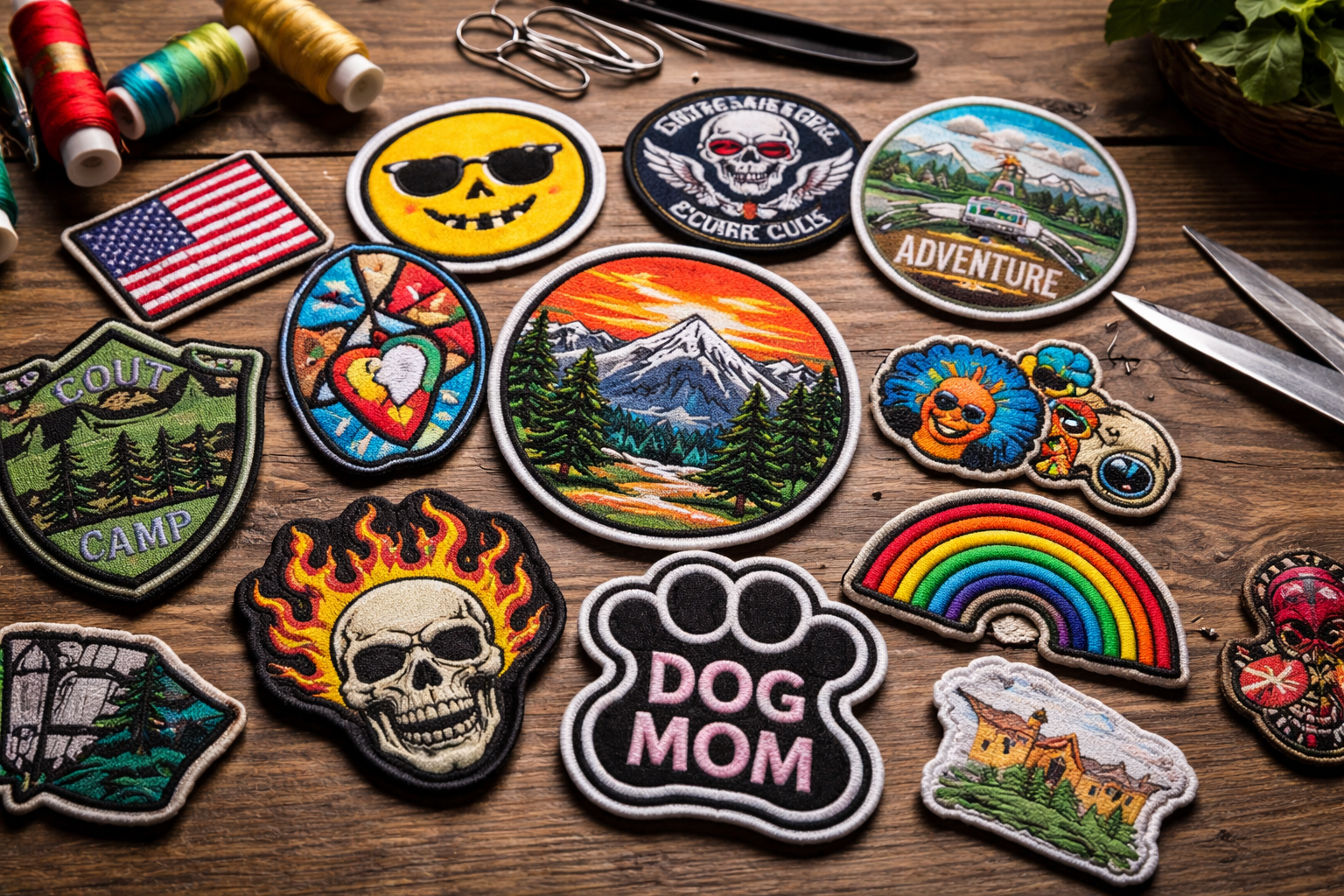
Custom embroidered patches have been used for many years in clothing, uniforms, clubs, and personal items. They are small fabric pieces with stitched designs that can be added to many surfaces. People use them to show identity, mark roles, share messages, or add style. This guide explains what custom embroidered patches are, how they are used, and why many people choose them. The focus is on practical value, everyday benefits, and clear guidance so readers can make informed choices.
What Are Custom Embroidered Patches
Custom embroidered patches are fabric badges made by stitching thread into a base cloth. The design can include text, logos, symbols, or simple artwork. These patches are made based on specific needs, such as size, shape, color, and purpose.
Key Parts of an Embroidered Patch
-
Fabric base like twill or felt
-
Stitched design made with colored threads
-
Border stitching that holds the shape
-
Backing that helps attach the patch
Each part plays a role in how the patch looks and how long it lasts.
Common Uses of Custom Embroidered Patches
Custom embroidered patches are used in many areas of daily life. Their flexibility makes them suitable for both personal and group use.
Clothing and Fashion
Many people add patches to jackets, jeans, caps, and bags. This helps refresh old clothing or show personal taste. Patches can also cover small fabric damage.
Workwear and Uniforms
Companies, schools, and service teams often use patches on uniforms. They help show names, roles, or logos in a clear way.
Clubs and Communities
Sports teams, bike clubs, scout groups, and hobby circles use patches to show membership. A shared patch helps build a sense of belonging.
Events and Milestones
Patches are often used to mark events like camps, trips, or anniversaries. They serve as small memory items that last longer than paper items.
Benefits of Custom Embroidered Patches
Custom embroidered patches offer several practical benefits that make them a popular choice.
Long Lasting Design
Stitched thread holds up well over time. When cared for properly, embroidered patches keep their shape and color even after many washes.
Easy to Use
Patches can be sewn on or attached using heat or adhesive backing. This makes them easy to add or remove when needed.
Clear and Readable
Text and symbols on embroidered patches stay clear. This helps when patches are used for names or group signs.
Flexible Style
Patches fit many styles, from casual wear to formal uniforms. They can be bold or simple based on the design choice.
Types of Backing Used in Patches
The backing of a patch decides how it is attached. Each type suits a different need.
Sew On Backing
This is the most traditional option. The patch is stitched onto fabric using a needle and thread. It offers strong hold and long use.
Iron On Backing
This type uses heat to attach the patch. It is quick and simple, often used for clothing and bags.
Velcro Backing
Velcro backing allows patches to be removed and reused. It is common in uniforms where patches may change.
Adhesive Backing
This backing sticks to surfaces without sewing or heat. It works best for short term use or display items.
How Custom Embroidered Patches Are Made
The process of making custom embroidered patches follows clear steps.
Design Setup
The design is first prepared in a digital format. This step sets the size, colors, and stitch style.
Stitching Process
Machines stitch the design onto fabric using thread. The number of stitches depends on the design detail.
Cutting and Finishing
Once stitched, patches are cut into shape. Borders are added to stop fraying and improve strength.
Choosing the Right Patch for Your Use
Before selecting custom embroidered patches, it helps to think about a few key points.
-
Where the patch will be used
-
How often it will be washed
-
Whether it needs to be removed later
-
The level of detail in the design
These points guide better choices and avoid later issues.
Comparison Table of Patch Backing Types
| Backing Type | Ease of Use | Reuse Option | Best For |
|---|---|---|---|
| Sew On | Medium | No | Long term clothing |
| Iron On | Easy | Limited | Casual wear |
| Velcro | Easy | Yes | Uniforms |
| Adhesive | Very Easy | No | Short term use |
Care Tips for Embroidered Patches
Proper care helps patches last longer and stay neat.
Washing Tips
-
Turn clothing inside out before washing
-
Use mild soap
-
Avoid high heat
Drying Tips
-
Air dry when possible
-
Avoid direct heat on the patch
Storage Tips
-
Keep unused patches in a dry place
-
Avoid folding stitched areas
Why People Prefer Embroidered Patches
Many people choose embroidered patches because they feel solid and classic. The stitched texture gives a handmade look even when made by machine. They also fit many age groups and uses, making them a practical option across different needs.
Frequently Asked Questions
What fabrics work best with custom embroidered patches
Patches work well on denim, cotton, canvas, and polyester blends. Very thin fabrics may need extra stitching support.
Can embroidered patches be washed often
Yes, when attached properly, they handle regular washing. Gentle cycles and low heat help keep them in good shape.
Are embroidered patches heavy
They are slightly thicker than printed patches but still light enough for clothing and bags.
Can small text be stitched clearly
Simple text stitches clearly. Very small text may need a clean font and enough space.
Do embroidered patches fade over time
Quality thread holds color well. Proper care helps reduce fading.
Conclusion
Custom embroidered patches are a practical and lasting way to add meaning, style, and identity to clothing and items. Their strength, clear design, and flexible use make them suitable for many purposes. By understanding their types, benefits, and care needs, anyone can use them with confidence. This guide aimed to share clear and simple information so readers can make choices that fit their daily use without confusion.
إعلان مُمول
إعلان مُمول
الأقسام
- AI
- التصميم
- Fashion and Art
- Investment and Finance
- Top 10
- Christianity
- Climate and Enviroment
- Writing and Film
- Fitness
- Food
- الألعاب
- Gardening
- Health
- Home and Interiors
- Marketing and Sales
- Music
- Making Money Online
- Others
- Books
- Religion
- Ecommerce
- Sports
- Cars
- Wellness
- Tech Gadgets
- المناسبات
- Governments and Nations
- Science and Engineering
- Real Estate
- Travel, Tourism and Hospitality
- التعليم
- Startups
- Beauty and Cosmetics
- Agriculture
- Computer Operating Systems
- Crypto
- Politics and News
- Video Review
- Immigration
إقرأ المزيد
Modern software applications rely heavily on APIs to connect services, exchange data, and enable seamless functionality across platforms. As applications grow more complex, ensuring the reliability, performance, and security of APIs becomes essential. Manual API testing is time-consuming and error-prone, especially in agile and DevOps-driven environments where frequent releases are the norm....

Market Trends Shaping Executive Summary Anaesthesia Disposables Market Size and Share The global anaesthesia disposables market size was valued at USD 149.790 billion in 2024 and is projected to reach USD 213.68 billion by 2032, with a CAGR of 4.54% during the forecast period of 2025 to 2032. The Anaesthesia Disposables Market report puts light on the change in the market which...
Executive Summary Epigenetics-Based Instruments Market Size and Share Forecast The epigenetics-based instruments market is expected to witness market growth at a rate of 16.05% in the forecast period of 2021 to 2028. The Epigenetics-Based Instruments Market report showcases the list of top competitors and gives the insights on strategic industry analysis of the key factors...
The global Medical Foods for Inborn Errors of Metabolism size was valued at USD 3.12 billion in 2024 and is projected to reach USD 9.14 billion by 2032, with a CAGR of 14.39 % during the forecast period of 2025 to 2032. The global business landscape is undergoing a transformation, with industries increasingly leaning on deep research and actionable insights to make strategic decisions. One...
A thorough Data Centre Service Market Analysis reveals a multi-layered industry, best understood when segmented by service type, organization size, and the specific needs of various industry verticals. By service type, the market is broadly categorized into colocation, managed hosting, and cloud services. Colocation is the foundational layer, where providers rent out physical space,...