


Why Do So Many Factories Rely on Extrusion Blow Molding Machines Today
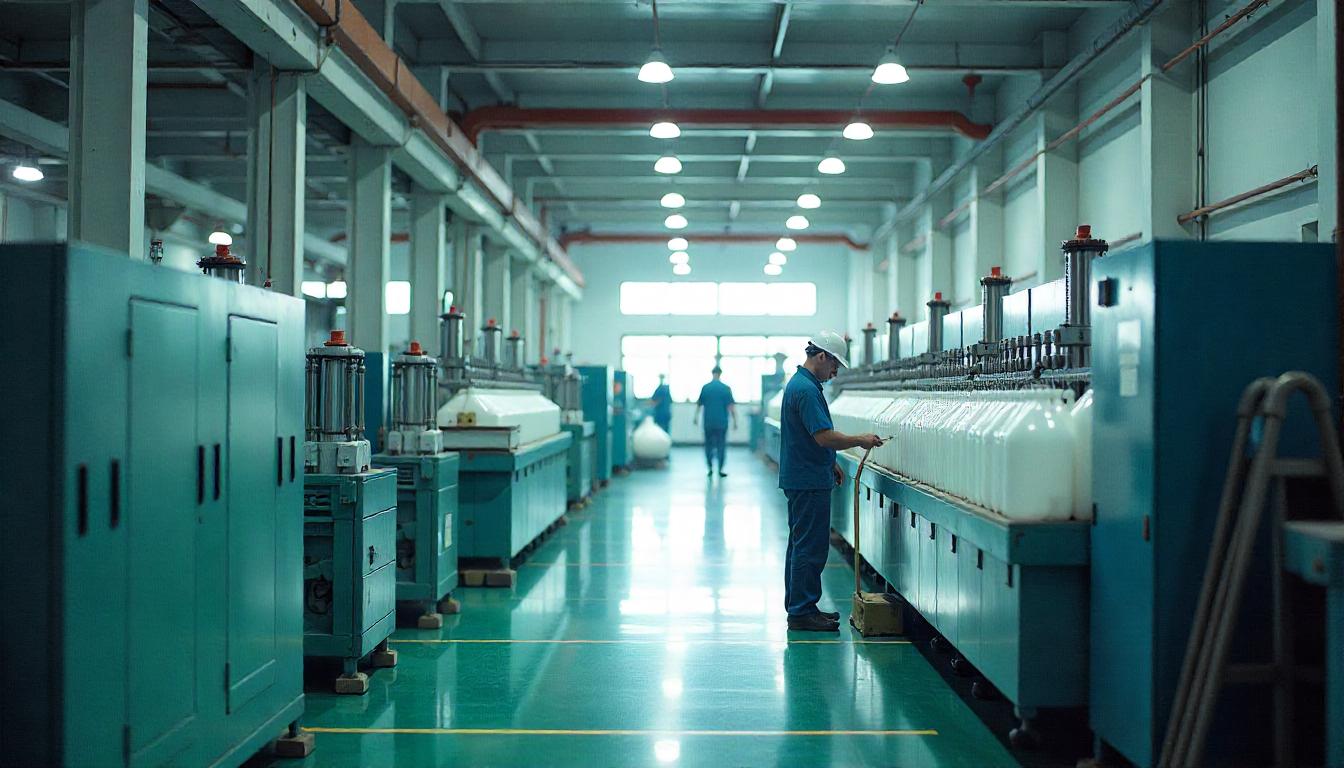
Step inside a working plastic factory and the scene feels calm but powerful. Machines run without pause. Containers move in steady lines. Operators focus on screens rather than tools. This quiet rhythm comes from systems that factories trust every day. Among them, extrusion blow molding machines stand at the center of modern plastic production.
Factories rely on these machines because they handle high volumes with stable quality. They keep material waste under control. They work smoothly across long shifts. Most importantly, they fit real factory conditions where downtime costs money and inconsistency causes loss.
This article explains why extrusion blow molding machines remain a preferred solution across industries and how computer operating systems help keep production reliable.
What Extrusion Blow Molding Machines Do Inside a Factory
Extrusion blow molding machines create hollow plastic products through a continuous forming process. Plastic pellets melt inside a heated barrel. The softened plastic forms a hanging tube called a parison. Molds close around it. Air expands the plastic against mold walls. Cooling fixes the shape. The product exits and the cycle repeats.
Modern machines run through built in computer operating systems. These systems manage heat zones, screw speed, air pressure, and cooling time. Operators adjust values through touch panels while the system maintains balance automatically.
Factories value this setup because production flows without interruption. Material keeps moving. Output stays predictable.
Why Continuous Production Matters for Factories
Most factories operate under tight delivery schedules. Stopping machines often leads to wasted material and lost time. Extrusion blow molding machines support continuous production where material flow never stops.
Once heating stabilizes, the screw rotates without pause. Molds open and close at fixed timing. Cooling runs in steady cycles. Computer systems track every stage and correct small variations.
This steady behavior allows factories to run long shifts without restarting processes or losing control.
How Computer Operating Systems Improve Production Stability
Earlier machines depended heavily on manual control. Today, computer operating systems play a major role in keeping extrusion blow molding machines stable.
Sensors send real time data into the system. Temperature changes trigger automatic correction. Pressure variations adjust instantly. Cooling flow stays balanced.
This digital control reduces human error and keeps production consistent even when shifts change.
Factories gain smoother operation because the machine behaves the same across operators.
How These Machines Help Reduce Material Waste
Material waste creates cost pressure and storage problems. Extrusion blow molding machines reduce waste by maintaining consistent parison thickness and stable mold inflation.
Computer systems adjust flow speed and pressure continuously. This prevents uneven walls and weak areas. Trim waste remains minimal. Scrap material often returns into the process after regrinding.
Factories running long shifts benefit because waste stays controlled instead of increasing slowly over time.
Why Product Flexibility Attracts Manufacturers
Factories rarely produce only one product type. Extrusion blow molding machines adapt easily through mold changes and system presets.
The same machine can produce small bottles one day and larger containers another day. Operators load stored settings into the operating system. Production resumes without long setup delays.
This flexibility helps factories serve different markets without buying multiple machines.
How Labor Efficiency Improves Inside Real Plants
Training new operators takes time. Machines that depend on manual adjustments increase error risk. Extrusion blow molding machines reduce this pressure through guided control systems.
Operators follow screen instructions. Alerts appear before problems grow. Historical data shows how the machine performed earlier.
This structure supports stable operation even when staff experience levels vary.
Why Energy Balance Supports Long Production Hours
Energy use affects factory budgets directly. Extrusion blow molding machines operate under steady heat conditions rather than repeated heating and cooling.
Computer systems regulate power distribution across zones. Energy spikes drop. Internal components experience less stress.
Factories running day and night benefit from this thermal balance and lower maintenance strain.
How Maintenance Becomes Easier to Plan
Unexpected breakdowns disrupt schedules. Modern extrusion blow molding machines store operating data such as cycle counts, pressure history, and temperature logs.
Maintenance teams review this data to plan service intervals. Wear appears gradually rather than suddenly. Parts replacement becomes predictable.
This planning helps factories avoid emergency shutdowns.
Real Factory Example One
A packaging factory producing cleaning product bottles noticed slight wall thinning during peak output hours. System data showed temperature drift near the die head. Operators corrected values through the control panel. Output stabilized without stopping production.
The factory met delivery targets without increasing scrap.
Real Factory Example Two
An industrial container plant faced inconsistent mold closing during night shifts. The computer system recorded pressure timing delays. After adjustment, production returned to normal and waste levels dropped.
The plant avoided extended downtime.
DID YOU KNOW?
Factories using computer controlled extrusion blow molding machines often see waste reduction of ten to fifteen percent after optimizing parison control and cooling balance during long production runs.
Comparison Table: Traditional Operation vs Computer Controlled Extrusion Blow Molding Machines
| Area | Traditional Operation | Computer Controlled Extrusion Blow Molding Machines |
|---|---|---|
| Process Control | Relies on manual adjustments during production | Operating system manages temperature pressure and timing automatically |
| Quality Stability | Quality varies with operator experience | Consistent quality maintained through real time monitoring |
| Waste Levels | Higher scrap during setup and shifts | Lower waste through automatic correction |
| Energy Usage | Energy use fluctuates during cycles | Balanced energy use through steady heat control |
| Maintenance Planning | Often reactive after issues appear | Predictive planning based on system data |
| Shift Consistency | Output may vary between operators | Stable output across all shifts |
Why Extrusion Blow Molding Machines Remain a Factory Standard
Factories trust systems that behave predictably under pressure. Extrusion blow molding machines deliver steady output, controlled waste, flexible production, and reliable maintenance planning.
Computer operating systems strengthen these advantages by keeping every parameter balanced during real factory conditions.
Conclusion: Why Factories Continue Choosing Extrusion Blow Molding Machines Today
Factories depend on stability more than speed alone. Extrusion blow molding machines support continuous production through controlled heat, balanced pressure, and steady cooling. Computer operating systems allow teams to monitor and adjust performance without stopping the line.
This combination protects output, reduces waste, and supports long operating hours. Predictable maintenance and product flexibility help factories meet changing demand without risk.
For modern manufacturing environments, extrusion blow molding machines remain a trusted foundation for reliable plastic production.
Visit for more updates at createxdigital.com
Patrocinado
Patrocinado
Categorias
- AI
- Design
- Fashion and Art
- Investment and Finance
- Top 10
- Christianity
- Climate and Enviroment
- Writing and Film
- Fitness
- Food
- Jogos
- Gardening
- Health
- Home and Interiors
- Marketing and Sales
- Music
- Making Money Online
- Others
- Books
- Religion
- Ecommerce
- Sports
- Cars
- Wellness
- Tech Gadgets
- Eventos
- Governments and Nations
- Science and Engineering
- Real Estate
- Travel, Tourism and Hospitality
- Educação
- Startups
- Beauty and Cosmetics
- Agriculture
- Computer Operating Systems
- Crypto
- Politics and News
- Video Review
- Immigration
Leia Mais
Executive Summary Medical Radiation Shielding Market: Growth Trends and Share Breakdown CAGR Value: Medical radiation shielding market is expected to gain market growth in the forecast period of 2021 to 2028. Data Bridge Market Research analyses the market to account USD 1183.29 million by 2028 growing at a CAGR of 5.75% in the above-mentioned forecast period. Being a premium market...

"Detailed Analysis of Executive Summary Alternative Sweeteners Market Size and Share CAGR Value The global Alternative Sweeteners market size was valued at USD 5.12 billion in 2024 and is expected to reach USD 8.33 billion by 2032, at a CAGR of 6.3% during the forecast period. This Alternative Sweeteners Market report serves you with the bigger picture of the marketplace as...
Executive Summary Doors Market Market Size and Share by Application & Industry CAGR Value The doors market is expected to witness market growth at a rate of 6.00% in the forecast period of 2022 to 2029, and is estimated to reach the value of 169.80 billion by 2029. Data Bridge Market Research report on doors market provides analysis and insights regarding the various factors...

Mumbai is a city where homes must adapt to fast-moving lifestyles, limited space, and diverse living requirements. In such an environment, interior design cannot be limited to appearance alone. It must be strategic, efficient, and deeply thoughtful. Intelligent Interior Design Services in Mumbai focus on creating homes that function seamlessly while maintaining elegance and comfort. Garrison...

Data Bridge Research analyses that the additive manufacturing with metal powders will witness a CAGR of 22.1% for the forecast period of 2022-2029 and is likely to reach at USD 2.111,10 million by 2029. The global business landscape is undergoing a transformation, with industries increasingly leaning on deep research and actionable insights to make strategic decisions. One segment seeing...