


Emotional Intelligence Training | Building Self-Awareness and Stronger Human Connections

In today’s interconnected and fast-moving world, technical skills and knowledge alone are no longer enough to ensure personal or professional success. How people manage their emotions, understand others, and respond to challenges plays a critical role in leadership, relationships, and overall well-being. This is where emotional intelligence training becomes essential. It equips individuals with the skills to recognize emotions, regulate reactions, communicate effectively, and build meaningful connections in every area of life.
Emotional intelligence training is not about suppressing feelings or becoming overly emotional. Instead, it focuses on developing awareness, balance, and intentional responses. This article explores emotional intelligence training in depth, including its meaning, components, benefits, applications, and long-term impact.
Understanding Emotional Intelligence
Emotional intelligence refers to the ability to recognize, understand, and manage one’s own emotions while also being able to perceive and respond appropriately to the emotions of others. It influences how people think, act, communicate, and make decisions, especially in emotionally charged situations.
Unlike IQ, which remains relatively stable, emotional intelligence can be learned and strengthened over time. Emotional intelligence training provides structured methods to develop these skills through awareness, practice, and reflection.
At its core, emotional intelligence helps individuals navigate life with clarity, empathy, and emotional balance.
What Is Emotional Intelligence Training?
Emotional intelligence training is a guided process that helps individuals develop emotional awareness, regulation, empathy, and interpersonal effectiveness. It combines psychological insights, practical exercises, and reflective practices to build emotional competence.
Training may be delivered through workshops, coaching sessions, workplace programs, or personal development courses. Regardless of format, the goal remains the same: to help individuals respond thoughtfully rather than react impulsively.
Emotional intelligence training supports both internal growth and external effectiveness, making it valuable across personal, social, and professional contexts.
The Core Components of Emotional Intelligence Training
Most emotional intelligence training programs focus on five foundational components that work together to shape emotionally intelligent behavior.
Self-Awareness
This involves recognizing one’s own emotions, thought patterns, strengths, and limitations. Emotional intelligence training teaches individuals to notice emotional signals early and understand how feelings influence behavior and decision-making.
Self-Regulation
Self-regulation is the ability to manage emotions constructively. Training helps individuals pause, reflect, and choose appropriate responses rather than reacting impulsively to stress, frustration, or conflict.
Motivation
Emotionally intelligent individuals are driven by internal values rather than external pressure alone. Emotional intelligence training supports goal clarity, resilience, and a sense of purpose, even during challenges.
Empathy
Empathy involves understanding and respecting the emotions of others. Training develops active listening skills and emotional awareness, enabling more compassionate and effective interactions.
Social Skills
These skills include communication, collaboration, conflict resolution, and relationship management. Emotional intelligence training strengthens the ability to build trust and navigate complex social dynamics.
Why Emotional Intelligence Training Matters Today
Modern life presents constant emotional demands. Workplace pressure, digital communication, cultural diversity, and rapid change require individuals to manage emotions effectively while interacting with others.
Emotional intelligence training provides tools to handle these demands with confidence and balance. It helps people remain calm under pressure, communicate clearly during conflict, and build resilience in the face of uncertainty.
As automation and technology advance, emotional intelligence is becoming one of the most valuable human skills—one that cannot be replaced by machines.
Benefits of Emotional Intelligence Training
The benefits of emotional intelligence training extend far beyond emotional awareness.
On a personal level, individuals often experience improved self-confidence, reduced stress, and healthier relationships. Understanding emotions leads to better self-acceptance and emotional stability.
In professional environments, emotional intelligence training improves leadership effectiveness, teamwork, and communication. Leaders with strong emotional intelligence inspire trust, handle conflict skillfully, and motivate teams more effectively.
Emotionally intelligent individuals are also better decision-makers, as they can balance logic with emotional insight, leading to more thoughtful and ethical choices.
Emotional Intelligence Training and Stress Management
Stress often arises from unmanaged emotions and reactive thought patterns. Emotional intelligence training helps individuals recognize stress triggers and emotional responses early.
By developing self-regulation skills, individuals learn to respond calmly to pressure instead of becoming overwhelmed. This reduces emotional exhaustion and supports long-term mental well-being.
Over time, emotional intelligence training builds resilience, enabling individuals to recover more quickly from setbacks and maintain emotional balance during difficult situations.
Emotional Intelligence Training in the Workplace
Organizations increasingly recognize emotional intelligence as a key driver of performance and culture. Emotional intelligence training in the workplace supports healthier communication, stronger collaboration, and improved leadership.
Employees with high emotional intelligence are better at managing feedback, resolving conflict, and adapting to change. Managers with emotional intelligence foster trust, engagement, and psychological safety within teams.
By investing in emotional intelligence training, organizations create environments where people feel valued, understood, and motivated to perform at their best.
Emotional Intelligence Training and Leadership Development
Leadership is as much about emotions as it is about strategy. Emotional intelligence training helps leaders understand their emotional impact on others and adjust their behavior accordingly.
Leaders who practice emotional intelligence demonstrate empathy, active listening, and emotional consistency. They inspire confidence during uncertainty and handle challenges with composure.
Through emotional intelligence training, leaders develop the ability to motivate others, manage conflict constructively, and make decisions that consider both people and outcomes.
Emotional Intelligence Training in Relationships
Emotional intelligence plays a crucial role in personal relationships. Misunderstandings, unresolved emotions, and poor communication often lead to conflict and distance.
Emotional intelligence training helps individuals express emotions clearly, listen empathetically, and respond with understanding rather than defensiveness. This strengthens trust and emotional connection.
By improving emotional awareness and empathy, emotional intelligence training supports healthier, more fulfilling relationships in family, friendships, and partnerships.
Common Myths About Emotional Intelligence Training
One common misconception is that emotional intelligence training encourages emotional expression at all times. In reality, it emphasizes appropriate expression and thoughtful responses.
Another myth is that emotional intelligence is only relevant for leaders or managers. In truth, emotional intelligence training benefits everyone, regardless of role or background.
Some people believe emotional intelligence cannot be learned. Research and experience show that with consistent practice, emotional intelligence can be significantly developed over time.
How Emotional Intelligence Training Is Practiced
Emotional intelligence training typically includes reflection exercises, role-playing, feedback, and mindfulness-based practices. These methods help individuals observe emotional patterns and experiment with new responses.
Journaling, guided discussions, and real-life application are often part of the training process. Progress comes from awareness, practice, and patience.
Rather than aiming for perfection, emotional intelligence training focuses on continuous growth and learning.
The Long-Term Impact of Emotional Intelligence Training
The impact of emotional intelligence training grows over time. As awareness deepens, individuals become more intentional in how they think, feel, and act.
Long-term practice leads to improved emotional balance, stronger relationships, and greater confidence in navigating life’s challenges. Emotional intelligence becomes a way of being rather than a set of techniques.
In both personal and professional life, emotional intelligence training supports a more grounded, compassionate, and effective approach to human interaction.
Conclusion
Emotional intelligence training is a powerful investment in personal growth and social effectiveness. By developing self-awareness, emotional regulation, empathy, and communication skills, individuals gain the ability to navigate life with clarity and confidence.
In a world where emotional demands are constantly increasing, emotional intelligence training provides essential tools for balance, resilience, and meaningful connection. It empowers individuals to respond thoughtfully, lead authentically, and build stronger relationships—skills that remain valuable throughout every stage of life.
إعلان مُمول
إعلان مُمول
الأقسام
- AI
- التصميم
- Fashion and Art
- Investment and Finance
- Top 10
- Christianity
- Climate and Enviroment
- Writing and Film
- Fitness
- Food
- الألعاب
- Gardening
- Health
- Home and Interiors
- Marketing and Sales
- Music
- Making Money Online
- Others
- Books
- Religion
- Ecommerce
- Sports
- Cars
- Wellness
- Tech Gadgets
- المناسبات
- Governments and Nations
- Science and Engineering
- Real Estate
- Travel, Tourism and Hospitality
- التعليم
- Startups
- Beauty and Cosmetics
- Agriculture
- Computer Operating Systems
- Crypto
- Politics and News
- Video Review
- Immigration
إقرأ المزيد
Running a business requires a lot of equipment, stock, and inventory, which can take up valuable space in your office or shop. That’s where commercial storage sheds Wynnum Rd come in. If you're looking for a place to store business materials safely and conveniently, a commercial storage shed might be just what you need. This article will explain why commercial storage sheds Wynnum...

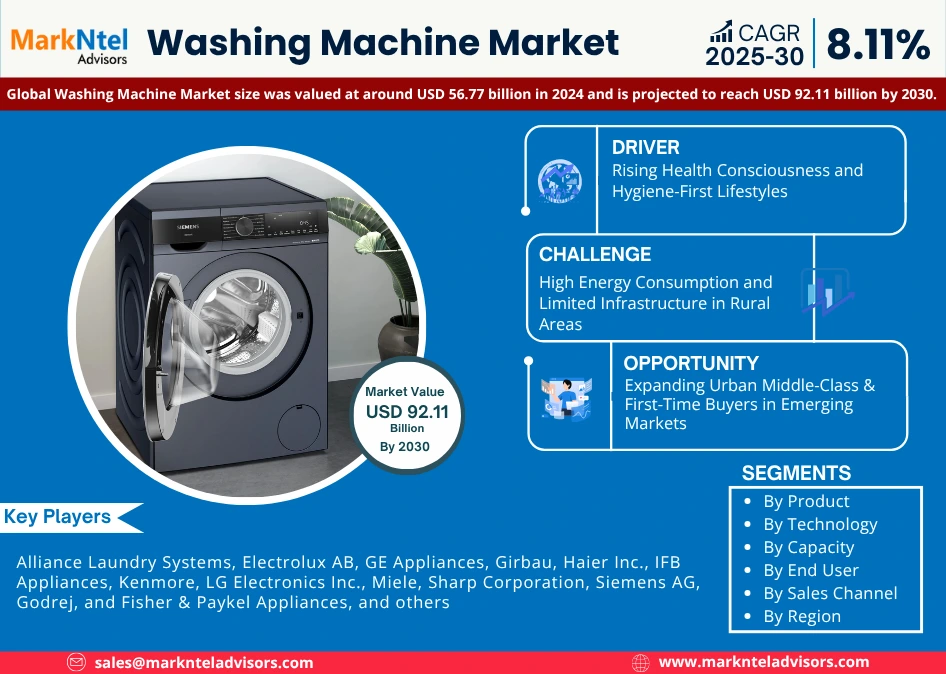
MarkNtel Advisors, a leading market research and consulting firm, has announced the release of its latest study titled Washing Machine Market Research Report: Forecast (2025–2030). This report provides a detailed assessment of the Washing Machine Market, covering its evolving dynamics, emerging trends, key growth drivers, major challenges, and competitive landscape. Designed to...
Global Demand Outlook for Executive Summary Middle East and Africa Automotive Logistics Market Size and Share CAGR Value: The Middle East and Africa Automotive Logistics Market was valued at USD 20 billion in 2025 and is projected to reach USD 30.10 billion by 2032, growing at a CAGR of 6% during the forecast period. For a constantly increasing business growth and...

Market Trends Shaping Executive Summary Media Gateway Market Size and Share CAGR Value: The global media gateway market size was valued at USD 2.86 billion in 2023, is projected to reach USD 3.38 billion by 2031, with a CAGR of 2.10% during the forecast period 2024 to 2031. An excellent Media Gateway Market report gives out all-encompassing study about production capacity,...
Data Bridge Market Research analyses a growth rate in the Europe iron-deficiency anemia therapy market in the forecast period 2023-2030. The expected CAGR of Europe iron-deficiency anemia therapy market is tend to be around 16.5% in the mentioned forecast period. The market was valued at USD 1085.6 million in 2022, and it would grow upto USD 3683.6 million by 2030. The global business landscape...