


Olive Oil Filling Machine Buying Guide: Pricing & ROI Explained
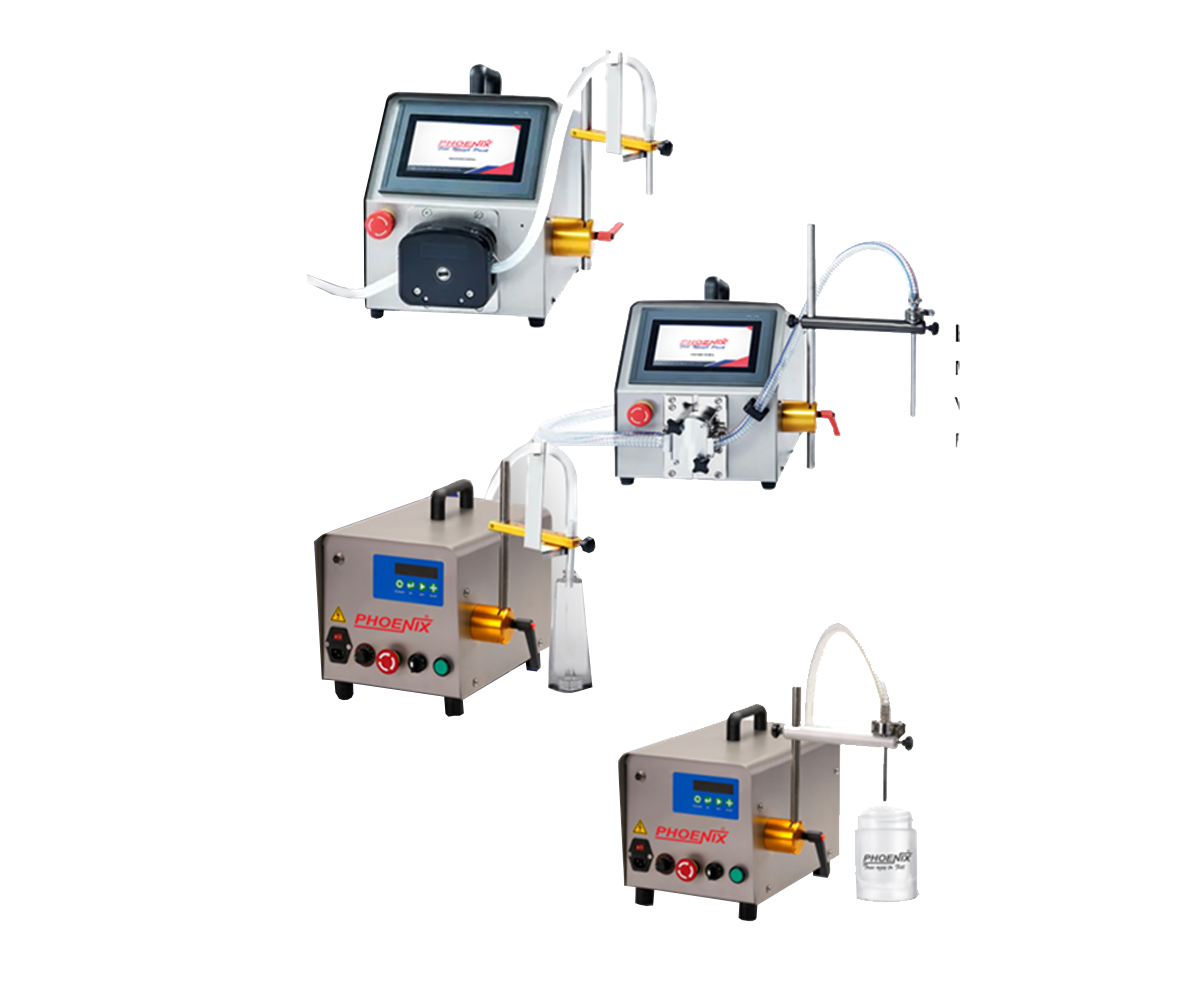
Investing in an olive oil filling machine represents a significant decision for any food production business. Whether you're a startup olive oil producer or an established manufacturer looking to upgrade your bottling line, understanding the pricing landscape and potential return on investment is crucial for making an informed purchase decision.
Understanding the Market Landscape
The demand for automated filling solutions has grown substantially across the Middle East, particularly as businesses seek to improve efficiency and meet international quality standards. When exploring options for production equipment, many companies research local suppliers to benefit from shorter delivery times, easier after-sales service, and regional expertise. For businesses operating in the Gulf region, finding a reliable olive oil filling machine manufacturer in UAE can provide significant advantages in terms of support and maintenance.
The olive oil filling machine in Dubai market has expanded considerably, reflecting the emirate's position as a major trading hub for food processing equipment. This growth has created a competitive environment where buyers can access various options, from entry-level semi-automatic machines to sophisticated fully automated production lines.
Price Range Overview
Olive oil filling machines vary dramatically in price based on several factors including automation level, production capacity, and technical specifications.
Entry-Level Semi-Automatic Machines ($3,000 - $8,000)
These machines suit small-scale producers or startups with limited budgets. They typically require manual bottle placement and removal but automate the filling process. Production capacity ranges from 500 to 1,500 bottles per hour, making them ideal for boutique olive oil brands or businesses testing the market.
Mid-Range Automatic Systems ($8,000 - $25,000)
This category represents the sweet spot for growing businesses. These machines offer automated filling, capping, and often labeling capabilities. With production speeds of 1,500 to 4,000 bottles per hour, they provide excellent scalability. Most include programmable controls, multiple filling heads, and compatibility with various bottle sizes.
High-End Fully Integrated Lines ($25,000 - $100,000+)
Industrial-scale operations require comprehensive systems that handle everything from bottle washing to final packaging. These sophisticated production lines can process 5,000 to 20,000+ bottles per hour and include advanced features like nitrogen flushing for extended shelf life, automatic quality control systems, and integration with existing production management software.
Key Factors Affecting Pricing
Production Capacity
Higher output machines command premium prices due to more robust construction, additional filling heads, and faster operating speeds. Calculate your current and projected production needs carefully to avoid over-investing in unnecessary capacity.
Filling Technology
Different filling methods impact cost significantly. Gravity fillers are most economical, while piston fillers offer greater accuracy for premium products. Volumetric and mass flow systems provide the highest precision but increase investment costs.
Material Quality
Machines constructed from food-grade stainless steel (304 or 316 grade) cost more but offer superior durability, easier cleaning, and better compliance with food safety regulations. This investment typically pays off through lower maintenance costs and longer equipment lifespan.
Automation Features
Touch-screen controls, automated cleaning-in-place (CIP) systems, servo motors, and smart sensors all add to the initial cost but can dramatically reduce labor requirements and operational errors.
Calculating Your Return on Investment
Understanding potential ROI helps justify your equipment purchase and secure financing if needed.
Labor Cost Reduction
Calculate current labor costs for manual or semi-automatic filling operations. A fully automatic machine can reduce staffing requirements by 60-80%, with savings accumulating monthly. For example, eliminating two full-time positions at $2,500/month each saves $60,000 annually.
Increased Production Efficiency
Automated systems typically increase output by 200-400% compared to manual operations. This efficiency translates directly to revenue potential. If your current production limits sales growth, calculate the additional revenue from increased capacity.
Product Quality and Waste Reduction
Precise filling reduces product giveaway (overfilling) and waste. Even a 2% reduction in waste on a product with 5% profit margins can significantly impact profitability. For a business processing 100,000 bottles annually at $10 per bottle, a 2% waste reduction saves $20,000 yearly.
Market Competitiveness
Consistent fill levels, professional presentation, and increased production capacity enable you to compete for larger contracts with retailers and distributors. The value of accessing new market segments often justifies equipment investment alone.
Expected Payback Periods
Most businesses should expect payback periods of 1.5 to 3 years for olive oil filling equipment:
- High-volume operations (50,000+ bottles monthly): 12-18 months
- Medium-volume operations (10,000-50,000 bottles monthly): 18-30 months
- Small-volume operations (under 10,000 bottles monthly): 24-36 months
These timelines assume proper equipment sizing and effective integration into existing operations.
Making the Smart Investment
When purchasing olive oil filling equipment, prioritize machines that offer scalability, reliable technical support, and proven track records in the food industry. Request demonstrations, speak with current users, and ensure comprehensive training and warranty coverage are included.
The right filling machine transforms your production capabilities, reduces operational costs, and positions your business for sustainable growth. By carefully analyzing your needs, understanding the pricing landscape, and calculating realistic ROI projections, you can make an investment that delivers value for years to come.
Remember that the cheapest option rarely provides the best long-term value. Focus on total cost of ownership, including maintenance, spare parts availability, and energy efficiency, to make a truly informed decision that supports your business objectives.
Sponsored
Sponsored
Categories
- AI
- Design
- Fashion and Art
- Investment and Finance
- Top 10
- Christianity
- Climate and Enviroment
- Writing and Film
- Fitness
- Food
- Games
- Gardening
- Health
- Home and Interiors
- Marketing and Sales
- Music
- Making Money Online
- Others
- Books
- Religion
- Ecommerce
- Sports
- Cars
- Wellness
- Tech Gadgets
- Events
- Governments and Nations
- Science and Engineering
- Real Estate
- Travel, Tourism and Hospitality
- Education
- Startups
- Beauty and Cosmetics
- Agriculture
- Computer Operating Systems
- Crypto
- Politics and News
- Video Review
- Immigration
Read More
The Europe Usage-Based Insurance Market size was valued at USD 10.01 billion in 2024 and is expected to reach USD 36.74 billion by 2032, at a CAGR of 17.65% during the forecast period Introduction Europe Usage-Based Insurance Market is undergoing significant transformation as insurers increasingly adopt telematics, connected vehicle technologies, and data-driven models to offer personalized...

For new bettors, cricket can seem exciting but overwhelming, especially when using online platforms like Winbuzz. With hundreds of markets, live odds, and fast-moving matches, beginners need simple, smart strategies to avoid confusion and unnecessary losses. This guide explains beginner-friendly tactics that make cricket betting safer and more enjoyable on Winbuzz. 1. Understand How...

Detailed Analysis of Executive Summary Antenna Market Size and Share Global antenna market size was valued at USD 26.55 billion in 2024 and is projected to reach USD 56.49 billion by 2032, with a CAGR of 9.90% during the forecast period of 2025 to 2032. This Antenna Market report serves you with the bigger picture of the marketplace as it studies market and the industry by considering...
I remember the first time I heard about Corteiz—it wasn’t through a massive campaign, an influencer post, or a billboard plastered across Times Square. It was whisper-level hype in the trenches of streetwear culture. It came from people who live and breathe style, those who depended on dopamine from drip, not from logos slapped on cheap fabric. That’s when I knew Corteiz...

Smartphone Market Overview The global smartphone market size was valued at USD 1.48 billion in 2024 and is projected to reach from USD 1.51 billion in 2025 to USD 1.74 billion by 2033, growing at a CAGR of 7.19% during the forecast period (2025-2033). Download Exclusive Research Report PDF Sample: (Including Full TOC, List of Tables & Figures, Chart)...