


How to Choose the Right Home Elevator for Your House
Home elevators are no longer exclusive to luxury residences — they are becoming a smart, practical addition to modern homes. Whether you want enhanced mobility for elderly family members, seamless access across multiple floors, or a stylish upgrade, choosing the right home elevator involves careful planning and informed decisions. This guide walks you through the key factors to consider so you can select an elevator that fits your home, lifestyle, and budget.
1. Assess Your Needs and Goals
The first step is identifying why you need a home elevator:
-
Mobility support: If the primary purpose is supporting seniors or people with limited mobility, safety and ease of use become top priorities.
-
Convenience: For carrying groceries, luggage, or daily use across floors.
-
Luxury/Design: If aesthetics matter, you may prioritize custom finishes and premium materials.
-
Future-proofing: Consider how your needs may evolve over time.
Understanding your main goal helps narrow down elevator types and features.
2. Understand Key Elevator Types
Home elevators come in several varieties, each with pros and cons:
-
Hydraulic elevators: Smooth ride and reliable performance. Great for multi-storey homes but may need a machine room.
-
Traction elevators: Efficient and energy-saving with quiet operation. Better for homes where space is limited.
-
Machine-room-less (MRL) elevators: Compact and flexible installation, ideal for retrofit projects.
-
Pneumatic vacuum elevators: Sleek, futuristic look and minimal structural changes, though typically more expensive.
Speak with elevator specialists to match the elevator type to your house design and structural constraints.
3. Evaluate Space and Structural Requirements
Before selecting a model, assess your home’s layout:
-
Shaft space: How much usable vertical space you have (between floors).
-
Pit and overhead clearance: Some elevators need a pit at the base and room above the top floor.
-
Wall strength: Load-bearing capacity where the elevator will be installed.
A professional survey helps determine what fits best without compromising structural integrity.
4. Set a Realistic Budget
Home elevator costs vary widely based on size, features, materials, and technology. Your budget should include:
-
Elevator unit price
-
Installation & labor charges
-
Structural modifications
-
Safety features
-
Electrical upgrades
-
Maintenance & warranty plans
Factor in long-term costs like service contracts and electricity usage.
5. Prioritize Safety and Accessibility Features
Safety is paramount, especially if kids or elderly residents will be regular users. Look for:
-
Automatic doors with sensors
-
Emergency stop button
-
Battery backup for power outages
-
Non-slip flooring
-
Smooth start/stop technology
-
Handrails and ample cabin space
Ensure the elevator meets local safety codes and standards.
6. Think About Design and Aesthetics
Home elevators can enhance interior design when done right. Consider:
-
Cabin finishes: Glass, wood, metal, or custom panels
-
Lighting: LED and ambient lighting for a premium feel
-
Door style & control panels
-
Visibility: Glass elevators can create openness in compact homes
Choose a style that blends with your home’s interior theme.
7. Check Warranty and After-Sales Support
A reliable warranty and responsive service network are crucial:
-
Parts & labor warranty periods
-
Emergency service availability
-
Annual maintenance contracts
-
Spare parts accessibility
Good support reduces downtime and extends the elevator’s life.
8. Consult Professionals and Compare Quotes
Get multiple quotes from reputable elevator providers. Ask them to:
-
Conduct a site inspection
-
Suggest suitable models
-
Provide transparent cost breakdowns
-
Explain timelines and installation impact
Comparing options helps you find the best value without compromising quality.
Conclusion
Choosing the right home elevator involves more than picking the most stylish model. It combines a clear understanding of your needs, space assessment, safety priorities, budget planning, and professional guidance. With thoughtful decision-making, you can install a home elevator that enhances comfort, safety, and the overall value of your home — making everyday living easier and more enjoyable.
Sponsorluk
Sponsorluk
Kategoriler
- AI
- Tasarım
- Fashion and Art
- Investment and Finance
- Top 10
- Christianity
- Climate and Enviroment
- Writing and Film
- Fitness
- Food
- Oyunlar
- Gardening
- Health
- Home and Interiors
- Marketing and Sales
- Music
- Making Money Online
- Others
- Books
- Religion
- Ecommerce
- Sports
- Cars
- Wellness
- Tech Gadgets
- Events
- Governments and Nations
- Science and Engineering
- Real Estate
- Travel, Tourism and Hospitality
- EĞİTİM BİLGİLERİ
- Startups
- Beauty and Cosmetics
- Agriculture
- Computer Operating Systems
- Crypto
- Politics and News
- Video Review
- Immigration
Read More
Want to change the upper half of your dress. A topper is a removable piece that can add more fabric to the bodice, neckline, and sleeves of a gown. accessories cemented this modern la who lunch outfit. Shoppers also had strong feelings when it came out. a social media producer at, is a loyalist. I wear one or two to work every week, She owns nine in total, as well as three tops. when I crowd...

Executive Summary Overnight Face Mask Market Size and Share Across Top Segments Data Bridge Market Research analyses that the global overnight face mask market will project a CAGR of 7.80% for the forecast period of 2022-2029. This global Overnight Face Mask Market report identifies and analyses the emerging trends along with major drivers, challenges and opportunities in the...

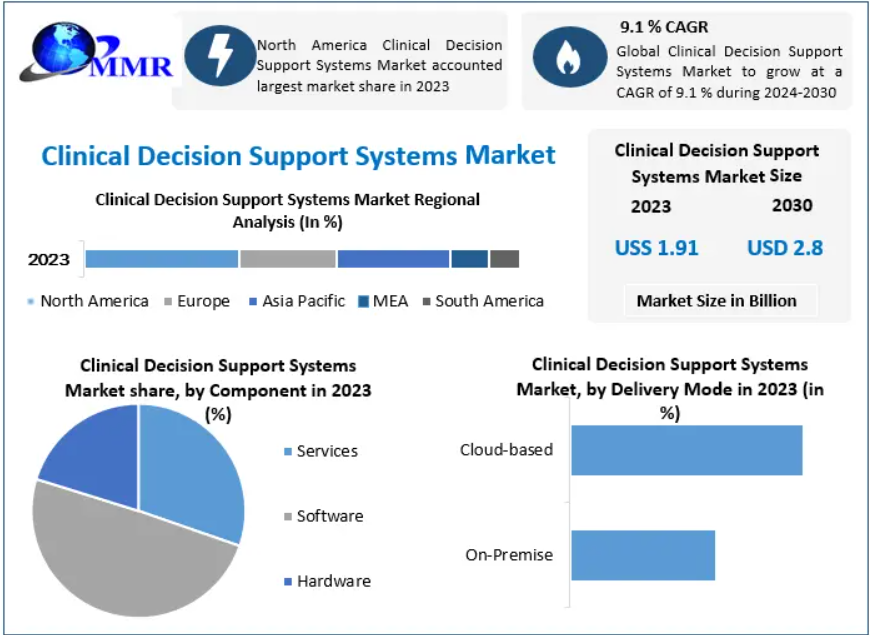
Clinical Decision Support Systems Market: Global Outlook 2024-2030 The Global Clinical Decision Support Systems (CDSS) Market was valued at USD 1.91 billion in 2023 and is projected to grow at a CAGR of 9.1% between 2024 and 2030, reaching nearly USD 2.8 billion by 2030. CDSS plays a pivotal role in modern healthcare by assisting healthcare providers...
Regional Overview of Executive Summary Europe Artificial Blood Substitutes Market by Size and Share CAGR Value: The artificial blood substitutes market is expected to gain market growth in the forecast period of 2021 to 2028. Data Bridge Market Research analyses that the market is growing with a CAGR of 24.7% in the forecast period of 2021 to 2028 and is expected to reach USD...

Global P-Tert-Butylbenzoic Acid market demonstrates robust expansion with its valuation projected to reach USD 1.2 billion by 2032, growing at a steady CAGR of 5.8% from 2024. This growth trajectory is primarily driven by increasing demand for polymer additives and specialty chemicals across diverse industries. P-Tert-Butylbenzoic Acid (PTBBA) serves as a critical intermediate in chemical...