


What are the ethical concerns surrounding IVF treatment

In vitro fertilization (IVF) has helped millions of couples worldwide achieve their dream of parenthood. While IVF offers hope to those struggling with infertility, it also raises important ethical questions. These concerns are discussed by doctors, patients, religious scholars, and society as a whole. Understanding these issues helps couples make informed and responsible decisions.
1. Creation and Disposal of Embryos
One of the most discussed ethical concerns in IVF is the creation of multiple embryos. During IVF, several embryos are often created to increase the chances of success. However, not all embryos are transferred to the uterus.
Some embryos may be frozen for future use, donated for research, or discarded. For many people, embryos represent potential life, and deciding what happens to unused embryos can be emotionally and ethically challenging.
2. Embryo Selection and Genetic Screening
IVF allows doctors to examine embryos before implantation. This process, called genetic screening, helps reduce the risk of inherited diseases. While this can be medically beneficial, it also raises ethical questions.
Some worry that embryo selection could lead to “designer babies,” where traits such as gender or physical characteristics are chosen for non-medical reasons. This raises concerns about fairness, discrimination, and where to draw the ethical line.
3. Access and Affordability
IVF treatment in Lahore can be expensive and is not equally accessible to everyone. This creates ethical concerns about social inequality. Couples with financial resources may have access to advanced fertility treatments, while others may be unable to afford them.
The question arises: should fertility treatment be considered a basic healthcare right, or a personal choice available only to those who can pay?
4. Age and Parenthood
Another ethical issue is the age limit for IVF treatment. Medical advances now allow women to conceive later in life. While this offers opportunities, it also raises concerns about the health of the mother and the future well-being of the child.
Doctors must balance respecting patient autonomy with acting in the best interest of both mother and child.
5. Religious and Cultural Perspectives
Different religions and cultures view IVF differently. Some accept IVF under certain conditions, while others oppose it due to beliefs about natural conception, embryo status, or third-party involvement.
Couples often struggle to balance medical advice with personal, religious, or cultural values, making ethical decision-making more complex.
6. Emotional and Psychological Impact
IVF can be emotionally demanding. Ethical concerns also include the mental health of patients who undergo repeated cycles, face treatment failure, or feel pressure from family or society to conceive.
Clinics have a responsibility to provide emotional support and ensure patients fully understand the risks, success rates, and limitations of treatment.
Conclusion
IVF is a powerful medical advancement that has transformed infertility treatment. However, it comes with ethical concerns that cannot be ignored. Issues related to embryos, access, genetic screening, third-party involvement, and emotional well-being require careful thought.
Open discussion, clear regulations, and ethical medical practices can help ensure IVF is used responsibly. Couples should seek guidance from qualified fertility specialists and consider their personal values before starting treatment.
Sponsored
Sponsored
Categories
- AI
- Design
- Fashion and Art
- Investment and Finance
- Top 10
- Christianity
- Climate and Enviroment
- Writing and Film
- Fitness
- Food
- Games
- Gardening
- Health
- Home and Interiors
- Marketing and Sales
- Music
- Making Money Online
- Others
- Books
- Religion
- Ecommerce
- Sports
- Cars
- Wellness
- Tech Gadgets
- Events
- Governments and Nations
- Science and Engineering
- Real Estate
- Travel, Tourism and Hospitality
- Education
- Startups
- Beauty and Cosmetics
- Agriculture
- Computer Operating Systems
- Crypto
- Politics and News
- Video Review
- Immigration
Read More
Competitive Analysis of Executive Summary Essential Oil Extraction Market Size and Share CAGR Value: Global essential oil extraction market size was valued at USD 13.36 billion in 2024 and is projected to reach USD 28.65 billion by 2032, with a CAGR of 10.00% during the forecast period of 2025 to 2032. Keeping into consideration the customer requirement, an influential...

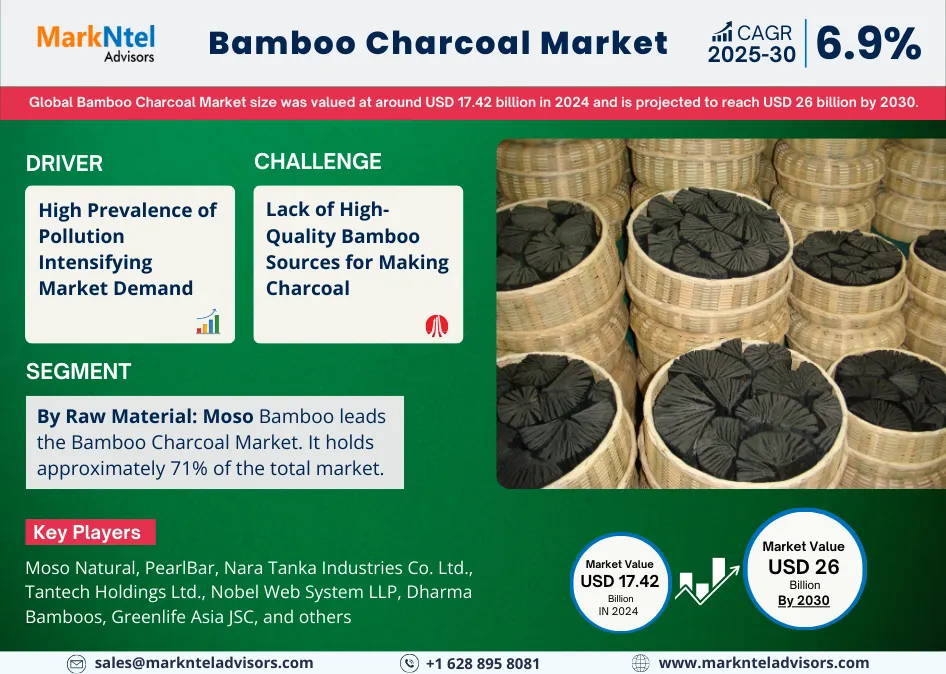
MarkNtel Advisors, a leading market research and consulting firm, has announced the release of its latest study titled Bamboo Charcoal Market Research Report: Forecast (2025–2030). This report provides a detailed assessment of the Bamboo Charcoal Market, covering its evolving dynamics, emerging trends, key growth drivers, major challenges, and competitive landscape. Designed to...
The global Mapping SDK market is witnessing strong growth as businesses across industries increasingly rely on real-time geospatial data and location-based services. Valued at USD 4.68 billion in 2024, the market is expected to reach USD 10.26 billion by 2032, growing at a robust CAGR of 10.5% during the forecast period from 2024 to 2032. Mapping SDKs (Software Development Kits) enable...

Executive Summary Europe Deep Partial-thickness Thermal Burns Treatment Market Research: Share and Size Intelligence CAGR Value: Europe deep partial-thickness thermal burns treatment market is expected to gain significant growth in the forecast period of 2021 to 2028. Data Bridge Market Research analyzes that the market is growing with a CAGR of 5.8% in the forecast period of...

Comprehensive Outlook on Executive Summary Levulinic Acid Market Size and Share Global levulinic acid market size was valued at USD 41.04 million in 2024 and is projected to reach USD 118.49 million by 2032, with a CAGR of 14.17% during the forecast period of 2025 to 2032. This competitive era calls for businesses to be equipped with knowhow of the major happenings of the market and Levulinic...