


What Makes AI Companions Popular? Benefits and Examples
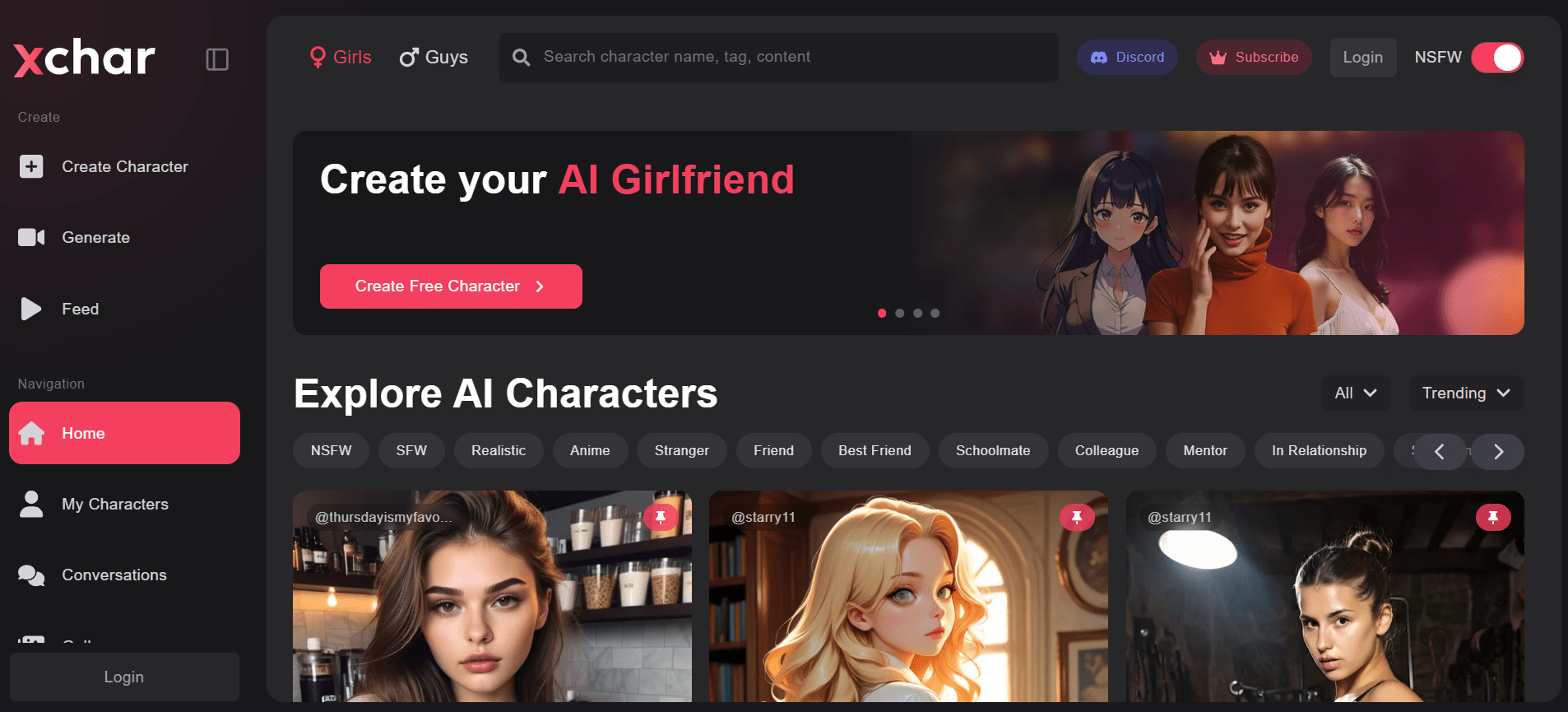
People talk about AI companions more openly now than ever before. I notice this shift not only in online spaces but also in private conversations where people admit they enjoy talking to digital personalities. We live in a time where human connection feels busy, delayed, or sometimes overwhelming. As a result, many turn to AI companions because they offer attention without pressure. They listen, respond, and stay present. Their appeal is not accidental; it grows from how people want connection on their own terms.
Initially, many users try AI companions out of curiosity. Subsequently, those same users stay because the experience feels personal. They don’t replace real people, but they offer a different kind of interaction that fits modern routines.
Why People Feel Drawn to Digital Companionship
People feel drawn to AI companions because they remove social friction. There is no fear of saying the wrong thing. In comparison to real conversations, digital chats feel calmer and more forgiving. I can pause, return later, and continue without awkward explanations.
Similarly, AI companions respond consistently. They don’t lose patience or drift away unexpectedly. That reliability matters, especially for users who want steady interaction without emotional risk.
Some reasons users mention often include:
-
Immediate responses at any time
-
Conversations without judgment
-
Control over tone and pacing
Clearly, consistency builds comfort. As a result, many people form routines around these interactions.
How AI Companions Fit Into Modern Relationships
AI companions fit into modern relationships by filling emotional gaps, not replacing people. They exist alongside friends, partners, and social circles. I see them as support systems rather than substitutes.
Despite busy schedules, users still want connection. However, not everyone has time for long conversations. AI companions step in during quiet moments, late nights, or when someone just wants to talk without explaining context.
In the same way messaging apps changed communication habits, AI companions reshape emotional availability. They respond when others can’t. Hence, people turn to them for comfort, reflection, or casual conversation.
The Appeal of Romantic and Intimate AI Experiences
Romantic AI interactions appeal because they remove real-world pressure. People set boundaries themselves. They choose how deep or playful a conversation becomes. That control changes how intimacy feels.
For example, some users interact with an AI girlfriend because it offers affection without expectations. They don’t worry about miscommunication or emotional imbalance. In spite of being artificial, the interaction feels reassuring.
Eventually, users realize they can adjust tone, personality, and behavior. That flexibility keeps them engaged.
Real-Life Examples of How Users Interact With AI Companions
People use AI companions in many ways, often quietly. Some talk during work breaks. Others check in emotionally before sleeping. I’ve seen users treat these chats like personal journals with responses.
Examples include:
-
Morning greetings to start the day positively
-
Casual storytelling during downtime
-
Emotional venting without fear of backlash
Likewise, people appreciate continuity. They remember past conversations, which adds a sense of familiarity.
Popular Use Cases That Keep Users Coming Back
Users return because AI companions fit into daily routines. Not only do they respond quickly, but they also adapt to conversational styles.
One popular use case is sex ai chat, which users describe as private, controlled, and free from social pressure. It exists for those who want intimacy without real-world exposure.
Another common reason is emotional grounding. People talk through stress, thoughts, or decisions. Consequently, AI companions feel like steady anchors in fast-moving lives.
Benefits Users Mention Most Often
Users often describe benefits in practical terms rather than emotional ones. Admittedly, feelings still matter, but structure matters too.
Common benefits include:
-
Privacy and discretion
-
Adjustable personality settings
-
Predictable interaction flow
-
No social performance anxiety
Despite skepticism, many admit these benefits outweigh initial doubts. Still, users remain aware it’s a digital experience, not a human replacement.
How Different AI Companion Types Serve Different Needs
AI companions serve different needs based on design. Some focus on romance, others on conversation, and some on fantasy. In particular, users choose based on mood or intent.
For instance, someone seeking companionship might choose a virtual ai boyfriend because it offers supportive dialogue rather than romantic tension. That choice reflects personal comfort levels.
Meanwhile, others prefer creative or fictional interactions. The variety keeps interest high and usage flexible.
Where Fantasy-Based Companions Gain Attention
Fantasy-driven companions attract users who enjoy imaginative storytelling. They allow role-based interactions without long-term commitment.
One example includes ai girlfriend nsfw, used by people who want fantasy-driven intimacy with clear boundaries. Although controversial in some discussions, users see it as controlled and private.
Obviously, choice matters. Users select experiences aligned with their comfort zones.
Emotional Safety and User Control in Conversations
Control is a key reason AI companions remain popular. Users guide the conversation fully. They decide topics, tone, and depth. That sense of agency feels empowering.
Even though AI lacks real emotions, its responses create emotional safety. They don’t argue unless prompted. They don’t judge. They adapt.
As a result, people open up more freely than they might with others.
Why Interest in AI Companions Keeps Growing
Interest continues to grow because AI companions match modern communication habits. People prefer flexible interaction that fits around busy schedules.
Similarly, digital privacy matters more than ever. AI companions offer conversations without social exposure. Thus, users feel more relaxed and engage deeply.
Eventually, this trend reflects how people redefine connection—not as replacement, but as addition.
Conclusion
AI companions feel popular because they meet people where they are. I see them as tools for conversation, comfort, and creativity. We don’t use them because we reject human connection, but because they fit moments when human connection isn’t available. Their appeal lies in control, consistency, and choice. They exist quietly in daily life, offering interaction without obligation, and that balance explains why they continue to attract attention.
Sponsored
Sponsored
Categories
- AI
- Design
- Fashion and Art
- Investment and Finance
- Top 10
- Christianity
- Climate and Enviroment
- Writing and Film
- Fitness
- Food
- Games
- Gardening
- Health
- Home and Interiors
- Marketing and Sales
- Music
- Making Money Online
- Others
- Books
- Religion
- Ecommerce
- Sports
- Cars
- Wellness
- Tech Gadgets
- Events
- Governments and Nations
- Science and Engineering
- Real Estate
- Travel, Tourism and Hospitality
- Education
- Startups
- Beauty and Cosmetics
- Agriculture
- Computer Operating Systems
- Crypto
- Politics and News
- Video Review
- Immigration
Read More
The Europe Automotive Logistics Market was valued at USD 65.5 billion in 2025 and is projected to reach USD 105.6 billion by 2032, growing at a CAGR of 7% during the forecast period. The global business landscape is undergoing a transformation, with industries increasingly leaning on deep research and actionable insights to make strategic decisions. One segment seeing tremendous traction is...

The global ruby chocolate market size was valued at USD 2.36 billion in 2024 and is projected to reach USD 3.99 billion by 2032, with a CAGR of 6.80% during the forecast period of 2025 to 2032. The global business landscape is undergoing a transformation, with industries increasingly leaning on deep research and actionable insights to make strategic decisions. One segment seeing tremendous...
Future of Executive Summary Optogenetics Market: Size and Share Dynamics Data Bridge Market Research analyses that the optogenetics market which is USD 0.31 billion in 2022, is expected to reach USD 1.11 billion by 2030, at a CAGR of 17.35% during the forecast period 2023 to 2030. The Optogenetics Market report offers an analytical assessment of the prime challenges faced by the...

"Executive Summary Flexible Sensors Market Size, Share, and Competitive Landscape CAGR Value: Global flexible sensors market size was valued at USD 6.51 billion in 2024 and is projected to reach USD 11.01 billion by 2032, with a CAGR of 6.80% during the forecast period of 2025 to 2032. This Flexible Sensors Market report has been generated by keeping in mind all the...
As a pet owner, your primary goal is to ensure your pet’s health and well-being. While choosing the right food and providing regular exercise are essential, the type of Cat and Dog Food Bowl you use can also make a big difference. The Importance of Slow Food Bowls for Pets A Slow Food Bowl is a game-changer for pets that tend to eat too quickly. Fast eating can lead to serious...