


Why Mason Jars with Lids Are Superior for Preserving Flavor & Freshness
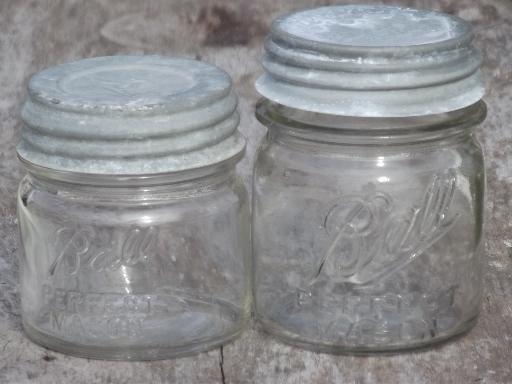
Preserving food is about keeping taste, texture, and quality intact. Over the years, I have tested many storage options. Some worked for a short time, while others failed fast. This guide explains why a classic solution continues to perform better than most modern alternatives.
Airtight Sealing Protects Natural Taste
An airtight seal plays a major role in food preservation. When air enters a container, food starts to lose flavor. Oxygen causes oxidation, which slowly changes taste and smell. A tight seal limits this process.
Glass containers with secure closures create a stable environment. Because air stays out, herbs remain aromatic. Sauces keep their original balance. Dry foods stay crisp longer. I have noticed this difference clearly during long storage periods.
Another benefit comes from pressure control. As temperature changes, the seal adjusts without breaking. This feature keeps contents safe in different environments. Therefore, food quality remains steady.
Plastic containers often warp or loosen over time. Once that happens, air leaks in. Flavor loss then speeds up. With a strong lid system, that risk is reduced.
Also, moisture control improves with proper sealing. Excess moisture leads to spoilage. A reliable seal helps prevent that. Because of this, food stays fresh longer and tastes better.
Glass Material Keeps Food Pure
Glass does not absorb smells or flavors. This property matters when storing different foods. One day you store spices. Next, you store fruit. The taste stays clean each time.
Unlike plastic, glass remains stable. Chemicals do not leak into food. Therefore, purity stays intact. This makes a noticeable difference in long-term storage.
Heat resistance is another advantage. Glass handles temperature changes well. You can move it from fridge to shelf without concern. Because of this, storage becomes more flexible.
Here are key benefits of glass material:
- It does not stain or retain odors
- It stays stable over many years
- It supports safe food contact
I have reused the same containers for years. The quality remains unchanged. That reliability builds trust. For anyone focused on taste and freshness, material choice matters greatly.
Consistent Freshness Across Food Types
Different foods need different care. Some need dryness. Others need moisture control. A good container adapts well.
Dry goods like rice and beans stay protected from humidity. Meanwhile, liquids stay sealed without leaks. This balance helps maintain original texture.
I often store leftovers and fermented foods. Both stay fresh longer than expected. That consistency reduces waste. It also saves money over time.
Because the container performs well across food types, fewer storage options are needed. This simplicity improves kitchen organization. It also reduces confusion.
Consistency also helps with meal planning. Food prepared ahead stays enjoyable later. Flavor does not fade quickly. That reliability supports healthier eating habits.
Long-Term Storage Without Flavor Loss
Long-term storage tests any container. Over weeks or months, weaknesses appear. Strong sealing and stable material pass this test.
Foods stored for long periods keep their intended taste. Spices remain potent. Pickled items stay balanced. This result comes from limited air exposure.
During my experience, I compared many containers. Only mason jars with lids maintained flavor best over time. This result stayed consistent across food types.
Another advantage is protection from light. When stored properly, glass reduces light exposure. This helps sensitive foods last longer.
Because of these factors, long-term storage becomes dependable. You can trust that food will taste right when needed.
Easy Cleaning Supports Better Hygiene
Clean containers support fresh food. Residue can affect taste. Easy cleaning prevents that problem.
Glass surfaces clean quickly. Food does not stick easily. Even strong flavors wash away without effort.
Here are hygiene-related advantages:
- No lingering residue after washing
- Safe for hot water cleaning
- Resistant to scratches that trap bacteria
Because cleaning is simple, containers get reused more often. This habit supports consistent food safety. Over time, better hygiene leads to better flavor preservation.
Plastic containers often develop scratches. Those scratches trap food particles. Cleaning becomes harder. Glass avoids this issue.
Visual Clarity Improves Food Management
Seeing stored food helps decision-making. Clear containers allow quick checks. You can spot spoilage early.
Visual clarity also supports portion control. You know how much remains. This awareness reduces waste.
During busy days, quick visibility saves time. You do not need to open containers often. Less opening means less air exposure.
This feature supports freshness indirectly. Because food stays sealed longer, quality remains higher.
Organization improves as well. Shelves look cleaner. Items stay easy to identify. That order supports better storage habits overall.
Environmental Benefits Support Sustainable Storage
Sustainability matters in modern kitchens. Reusable containers reduce waste. Glass lasts longer than plastic.
Because glass does not degrade easily, replacement needs drop. This reduces environmental impact. Over time, fewer resources get used.
I have reused the same containers for years. That durability supports eco-friendly habits. It also saves money.
Recycling glass is also easier. It can be reused without quality loss. This cycle supports responsible consumption.
Choosing durable storage supports both freshness and sustainability. These goals align well.
Trusted Use Across Generations
Generations have relied on this storage method. That trust did not form by chance. Performance proved itself over time.
Traditional methods often focus on preserving flavor naturally. This approach still works today. Modern kitchens benefit from old wisdom.
I learned this through practice. Results stayed consistent. Food tasted better. Waste decreased.
That history adds credibility. When a method lasts this long, it earns respect. Reliability matters when preserving food.
In the end, flavor and freshness depend on smart choices. Proven tools continue to deliver results.
Conclusion
Preserving flavor and freshness is not only about storage. It is about making smart, lasting choices. The right container protects taste, texture, and quality over time. As explained, strong sealing, pure materials, and easy care all play key roles. Each factor supports better food results.
From daily leftovers to long-term storage, reliability matters. When food stays fresh, waste drops. Meals taste better. Planning becomes easier. These benefits improve both kitchen habits and overall health.
Experience shows that traditional solutions often work best. They offer balance, durability, and trust built over time. When food remains clean, safe, and flavorful, confidence grows in the storage method.
In the end, preserving food well supports a better lifestyle. Small choices create lasting impact. Choosing proven storage helps protect what matters most—taste, freshness, and quality.
Source Link: https://ibexpackaging.com/mason-jars/
Patrocinado
Patrocinado
Categorias
- AI
- Design
- Fashion and Art
- Investment and Finance
- Top 10
- Christianity
- Climate and Enviroment
- Writing and Film
- Fitness
- Food
- Jogos
- Gardening
- Health
- Home and Interiors
- Marketing and Sales
- Music
- Making Money Online
- Others
- Books
- Religion
- Ecommerce
- Sports
- Cars
- Wellness
- Tech Gadgets
- Eventos
- Governments and Nations
- Science and Engineering
- Real Estate
- Travel, Tourism and Hospitality
- Educação
- Startups
- Beauty and Cosmetics
- Agriculture
- Computer Operating Systems
- Crypto
- Politics and News
- Video Review
- Immigration
Leia mais
Europe Ferronickel Market demonstrates steady growth, with its valuation reaching USD 1.67 billion in 2024. According to recent industry projections, the market is expected to expand at a CAGR of 3.7%, reaching approximately USD 2.23 billion by 2032. This growth trajectory is primarily influenced by demand from stainless steel production, evolving regulatory frameworks, and strategic...

Interior design is far more than the artful arrangement of furniture or the simple selection of paint colors. It is a multifaceted profession that applies creative and technical solutions to achieve a built interior environment. These solutions are functional, enhance the quality of life and culture of the occupants, and are aesthetically attractive. At its core, interior design is the...

「エグゼクティブサマリー:アンドロゲン不応症市場の 動向:シェア、規模、および将来予測」 CAGR値 データブリッジ市場調査は、アンドロゲン不応症市場全体が2021年に4億9,143万米ドルと評価され、2029年には7億2,607万米ドルに達し、2022年から2029年の予測期間中に5.0%のCAGRを記録すると分析しています。市場価値、成長率、市場セグメント、地理的範囲、市場プレーヤー、市場シナリオなどの市場洞察に加えて、データブリッジ市場調査チームがまとめた市場レポートには、詳細な専門家分析、患者の疫学、パイプライン分析、価格分析、規制の枠組みも含まれています。...

Executive Summary Orthopedic Devices Market Size and Share Forecast CAGR Value: The global orthopedic devices market size was valued at USD 52.75 billion in 2024 and is expected to reach USD 85.99 billion by 2032, at a CAGR of 6.30% during the forecast period. Orthopedic Devices Market business report is a well-generated market report which...

The global blepharospasm treatment market size was valued at USD 409.83 Million in 2024 and is expected to reach USD 666.63 Million by 2032, at a CAGR of6.27% during the forecast period. The global business landscape is undergoing a transformation, with industries increasingly leaning on deep research and actionable insights to make strategic decisions. One segment...
