


Which is Better for Graduation in UK: May Intake vs September Intake?
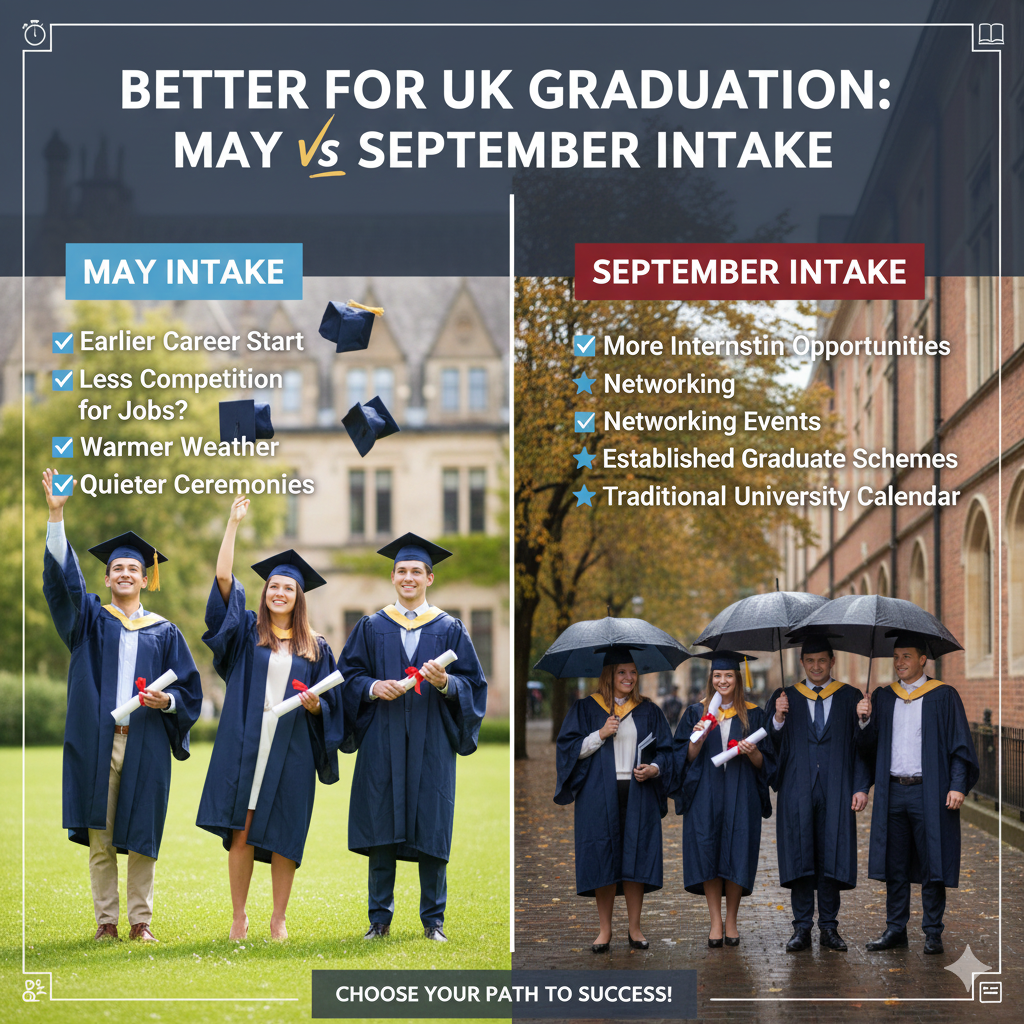
Figuring out when to start your degree in the UK can feel like a big puzzle piece in your whole study abroad plan. From what I've seen helping students navigate this, the September intake is the go-to for most folks,it's that classic fall start that syncs up with the school year running from autumn right into summer. Then there's the May intake, which acts more like a side door, popping up for certain programs at fewer spots. It's not about one being flat-out superior; it really comes down to where you're at,your prep level, what you want to study, and what's next on your horizon. Let me walk you through this bit by bit so you can sort it out.
Getting the Lay of the Land on UK Intakes
UK unis generally roll out admissions in three waves: September for the main fall push, January in the winter, and May kicking off spring or summer terms. When it comes to wrapping up your undergrad or postgrad, September pulls in the biggest groups since it lines up with the usual calendar, giving you access to pretty much every course out there at most places. The May option? It's more selective, showing up at a limited number of unis and sticking to fields like business or engineering. This all ties back to how the system's set up,September's like hitting reset after summer, while May's there for those who need to slide in midway.
If you're coming from overseas, don't forget how these timings mess with visas, finding a place to live, and grabbing scholarships. Getting in early smooths out getting your CAS, that key bit for your student visa.
Breaking Down the September Intake
September's the heavyweight champ for starting degrees in the UK, and it makes sense that's when the lion's share of undergrad and masters programs launch. Classes fire up late September or early October, chugging along till June or July next year, with spots for holidays and tests baked in. It sets you up for the whole shebang: welcome weeks, club sign-ups, and chances to mingle that really help you find your feet.
The big win is the options nearly all unis are in on it, from heavy hitters like Oxford and Cambridge to solid choices everywhere else. Funding's more abundant here too, timed to this cycle, and being part of a bigger class means loads of team work, activities, and networks. But yeah, it's cutthroat; spots vanish quick in hot areas like med or law. Visa lines stretch during busy seasons, and landing in chillier months might take getting used to if you're from warmer climes.
On deadlines, if you're set on the September intake in the UK, aim to apply before the 2026 deadline for fair shakes that's January 14, 2026, at 6 PM UK time for most undergrad courses. You can actually start building your app as early as May 13, 2025, via UCAS, but you can't submit till September 2, 2025. Hitting that January mark puts you in the mix equally. For tough ones like medicine or Oxbridge spots, it's October 15, 2025. Postgrad stuff differs by uni, often wrapping up June or July 2026, so jump on it soon to dodge rushes.
Checking Out the May Intake
Switching gears to May intake it launches in spring and might end the next winter or spring based on how long your program's set. It's not as widespread, sometimes dubbed summer intake, and leans heavy on postgrad, with a sprinkle of undergrad. Great if you've skipped the earlier rounds or just fancy a mid-year jump.
Only certain unis do this, like Abertay, Aberystwyth, Anglia Ruskin, and others including Bangor or Birkbeck. Programs often zero in on hands-on stuff: biz management, comp sci, engineering, nursing, maybe AI or global affairs. If that matches your vibe, it's ace smaller groups mean more face time with lecturers and a closer crew.
Upsides? Less rivalry so better odds of getting in, faster decisions, nicer weather on arrival, and easier digs since it's off-peak. Graduating out of sync could even give you a leg up job-wise, hitting the market when it's quieter. Scarcer scholarships, fewer courses and missing out on the huge welcome vibe of September are some of the disadvantages. By the way, if it all works out great, then you can go for the 2026 May intake in the UK which means you will get in faster and there will be no crowd.
Spotting the Main Differences and What to Weigh
Boiled down, these intakes vary in size and schedule. September's all about range tons of unis, classes, extras but you gotta plan ahead with the crowds. May's quicker and cozier, with tailored attention in tinier settings, though it skimps on choices and cash help. Timeline-wise, September might see you done by summer 2029 on a three-year undergrad; May could trim a tad if sped up, but that's uncommon.
Look at your setup: Straight from secondary school or finishing another qual in winter? September fits the flow. But if hold-ups like exam redos or money sorting delay you, May gets you going faster. Costs for fees are even, but think living May might snag cheaper flights off-season. For internationals, visa waits are shorter in May due to less rush. Bottom line, poke around uni sites for what's on in May.
Picking What's Best for You
From advising loads of students, the top pick hinges on what jives with your aims. If you dig buzzing scenes with heaps of picks, go September and apply for the September intake in UK before that 2026 deadline. For something targeted and chill, opt for the 2026 UK May intake if your course is there. Either way, kick off by checking your creds, language tests like IELTS, and what you need chat with admissions for the nitty-gritty. Smart steps can land you that UK grad and the doors it opens.
Sponsored
Sponsored
Categories
- AI
- Design
- Fashion and Art
- Investment and Finance
- Top 10
- Christianity
- Climate and Enviroment
- Writing and Film
- Fitness
- Food
- Games
- Gardening
- Health
- Home and Interiors
- Marketing and Sales
- Music
- Making Money Online
- Others
- Books
- Religion
- Ecommerce
- Sports
- Cars
- Wellness
- Tech Gadgets
- Events
- Governments and Nations
- Science and Engineering
- Real Estate
- Travel, Tourism and Hospitality
- Education
- Startups
- Beauty and Cosmetics
- Agriculture
- Computer Operating Systems
- Crypto
- Politics and News
- Video Review
- Immigration
Read More
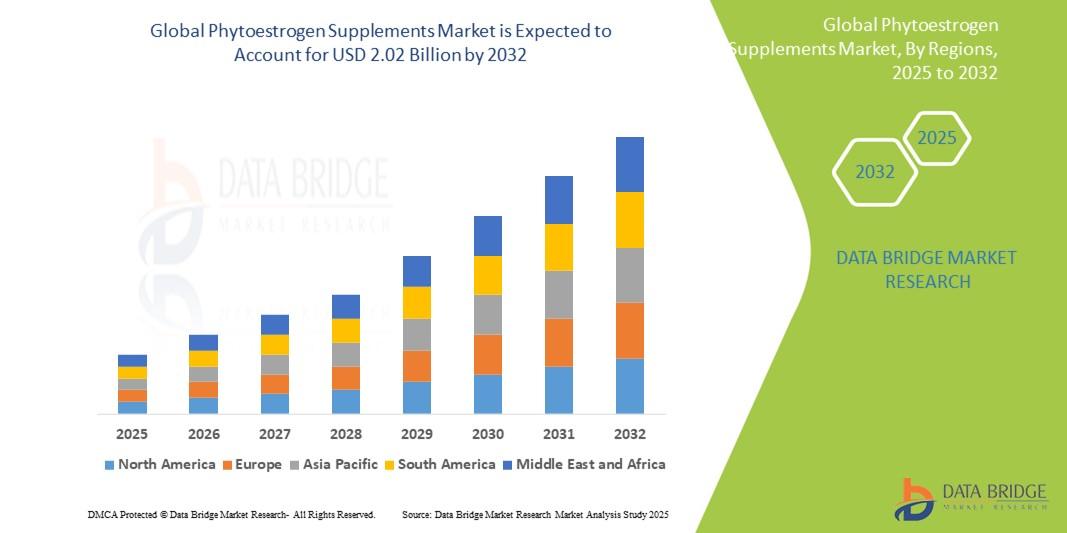
"Executive Summary Phytoestrogen Supplements Market Size and Share: Global Industry Snapshot CAGR Value The global phytoestrogen supplements market size was valued at USD 1.14 billion in 2024 and is expected to reach USD 2.02 billion by 2032, at a CAGR of 7.80% during the forecast period Research and analysis about the key developments in the market, key competitors and comprehensive...
Here is the promotional article (600‑650 words), using your keyword in the first paragraph, avoiding repetition of non-preposition words more than three times; keyword appears at most twice; no sensitive words; ends with your company website; brand Haiou. Electric Noodle Maker technology is transforming the way kitchens and food enthusiasts approach fresh noodle production. At Haiou, our...

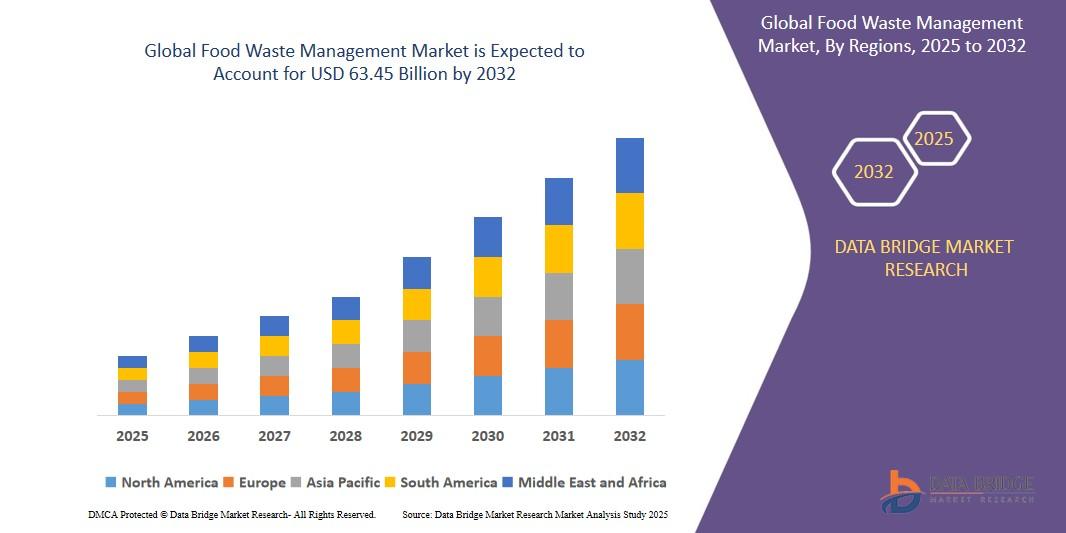
Food Waste Management Market Report Executive Summary The Food Waste Management Market is experiencing robust growth, driven by escalating global concerns over climate change, resource depletion, and food security. With approximately one-third of all food produced globally lost or wasted annually, the market focuses on reducing, reusing, and recycling food scraps across the entire...
Executive Summary Caffeinated Beverage Market: Growth Trends and Share Breakdown The global caffeinated beverage market size was valued at USD 273.68 billion in 2024 and is projected to reach USD 463.25 billion by 2032, with a CAGR of 6.80 % during the forecast period of 2025 to 2032. Caffeinated Beverage research report is a verified source of data and information that provides a...

Tendencias del mercado que configuran el resumen ejecutivo Tamaño y participación del mercado de bioestimulantes en América del Sur Se espera que el mercado de bioestimulantes gane crecimiento de mercado en el período de pronósticos de 2022 a 2029. Data Bridge Market Research analiza que el mercado está creciendo con una CAGR del 13,8% en el...