


Bariatric Surgery in Abu Dhabi: Addressing Hormonal and Metabolic Imbalances

Understanding Obesity as a Hormonal and Metabolic Disorder
Obesity is no longer viewed solely as a consequence of excess calorie intake or sedentary lifestyles. Modern medical science recognizes it as a complex, chronic condition deeply rooted in hormonal regulation and metabolic dysfunction. Hormones such as insulin, leptin, ghrelin, cortisol, and various gut peptides play a decisive role in appetite control, fat storage, energy expenditure, and glucose metabolism. When these systems become dysregulated, the body actively resists weight loss, even with strict dieting and exercise. In Abu Dhabi, bariatric surgery is increasingly positioned as a metabolic intervention rather than a purely weight-reduction procedure, designed to correct the internal imbalances that sustain obesity and its related diseases.
The Metabolic Burden of Obesity in the Gulf Region
In the UAE, rapid urbanization, dietary transitions, and sedentary work patterns have contributed to rising rates of obesity and metabolic syndrome. These changes have been accompanied by increased prevalence of insulin resistance, type 2 diabetes, hypertension, polycystic ovary syndrome, and non-alcoholic fatty liver disease. For many patients in Abu Dhabi, traditional lifestyle interventions fail not due to lack of discipline, but because underlying hormonal pathways are impaired. Bariatric Surgery in Abu Dhabi offers a scientifically validated solution by targeting the physiological drivers of metabolic disease, aligning with the region’s shift toward preventive and outcome-based healthcare.
How Bariatric Surgery Influences Hormonal Regulation
One of the most profound effects of bariatric surgery lies in its ability to recalibrate hormonal signaling. Procedures such as sleeve gastrectomy and gastric bypass alter the anatomy of the stomach and intestines in ways that directly impact hormone production and sensitivity. Ghrelin, the hormone responsible for hunger stimulation, is significantly reduced following sleeve gastrectomy, leading to decreased appetite and improved satiety. At the same time, post-surgical changes enhance the release of incretin hormones like GLP-1 and PYY, which improve insulin secretion, regulate blood sugar, and promote a sense of fullness. These hormonal shifts explain why many patients experience rapid metabolic improvements even before significant weight loss occurs.
Insulin Resistance and Diabetes Reversal After Surgery
Insulin resistance is a central feature of metabolic imbalance in obese patients and a key driver of type 2 diabetes. Bariatric surgery has demonstrated remarkable success in restoring insulin sensitivity by reducing visceral fat and modifying gut hormone signaling. In Abu Dhabi’s advanced bariatric centers, patients with long-standing diabetes often observe normalized blood glucose levels within weeks of surgery, sometimes eliminating the need for insulin or oral medications. This metabolic reset is particularly significant in the Gulf region, where diabetes prevalence remains high and early intervention can prevent irreversible complications.
The Role of Gut-Brain Communication in Weight Regulation
Beyond individual hormones, bariatric surgery reshapes the communication axis between the gut and the brain. Neural signals transmitted through the vagus nerve and hormonal feedback loops influence hunger perception, food preferences, and reward responses. After surgery, patients frequently report reduced cravings for high-sugar and high-fat foods, reflecting changes in dopamine signaling and gut-derived neuropeptides. In Abu Dhabi, where dietary habits are culturally rich and socially embedded, this neurological adaptation supports sustainable lifestyle changes without constant psychological struggle.
Addressing Cortisol and Stress-Related Weight Gain
Chronic stress and elevated cortisol levels contribute to central obesity, inflammation, and metabolic disruption. While bariatric surgery does not directly target adrenal hormones, the resulting weight loss and metabolic stabilization often lead to improved stress resilience and lower systemic inflammation. As sleep apnea, joint pain, and metabolic fatigue improve post-surgery, patients experience better sleep quality and reduced physiological stress. This indirect regulation of cortisol creates a more balanced hormonal environment, reinforcing long-term metabolic health.
Bariatric Surgery and Reproductive Hormonal Balance
Hormonal imbalances associated with obesity significantly affect reproductive health, particularly in women with conditions such as polycystic ovary syndrome. Bariatric surgery has been shown to restore ovulatory cycles, improve fertility, and normalize androgen levels by reducing insulin resistance and systemic inflammation. In Abu Dhabi, where family planning and maternal health are key priorities, this aspect of bariatric surgery is increasingly recognized as a therapeutic intervention for endocrine-related infertility rather than a cosmetic or elective procedure.
Personalized Surgical Planning in Abu Dhabi’s Bariatric Centers
A defining feature of bariatric surgery in Abu Dhabi is the emphasis on individualized metabolic assessment. Leading centers conduct comprehensive evaluations that include hormonal profiling, metabolic rate analysis, body composition studies, and psychological screening. This data-driven approach allows surgeons to select the most appropriate procedure for each patient’s unique endocrine profile. Whether addressing severe insulin resistance, hormonal appetite dysregulation, or metabolic complications, surgical planning is tailored to maximize hormonal correction while minimizing risk.
Post-Surgical Metabolic Adaptation and Nutritional Strategy
Correcting hormonal imbalance does not end in the operating room. Post-operative care plays a crucial role in sustaining metabolic improvements. Nutritional protocols in Abu Dhabi focus on stabilizing blood sugar, preserving lean muscle mass, and supporting gut hormone balance through structured meal timing and micronutrient optimization. Patients are closely monitored for changes in thyroid function, vitamin absorption, and metabolic markers, ensuring that the body adapts efficiently to its new hormonal environment.
Long-Term Metabolic Health and Disease Prevention
The long-term benefits of bariatric surgery extend far beyond weight reduction. By addressing hormonal and metabolic dysfunction at its core, surgery reduces the risk of cardiovascular disease, stroke, kidney failure, and obesity-related cancers. In Abu Dhabi’s preventive healthcare framework, bariatric surgery is increasingly viewed as a strategic investment in population health, particularly for patients with progressive metabolic disease. Sustained hormonal balance enables patients to maintain weight loss, improve energy levels, and regain metabolic flexibility.
Psychological Wellbeing and Hormonal Stability
Hormonal balance is closely linked to mental health, influencing mood regulation, motivation, and cognitive clarity. As metabolic markers stabilize after bariatric surgery, many patients report improvements in depression, anxiety, and emotional eating behaviors. These changes are supported by integrated psychological care in Abu Dhabi’s bariatric programs, recognizing that long-term success depends on both endocrine health and emotional resilience.
The Future of Metabolic Bariatric Surgery in Abu Dhabi
As medical technology advances, bariatric surgery in Abu Dhabi continues to evolve toward greater precision and personalization. Ongoing research into gut microbiota, hormone receptor sensitivity, and genetic predisposition is shaping next-generation metabolic interventions. With its commitment to evidence-based practice and patient-centered care, Abu Dhabi is positioning itself as a regional leader in bariatric surgery that addresses not just weight, but the hormonal and metabolic foundations of chronic disease.
Conclusion: Redefining Weight Loss Through Hormonal Correction
Bariatric surgery in Abu Dhabi represents a paradigm shift in the treatment of obesity, reframing it as a metabolic and hormonal disorder rather than a failure of willpower. By correcting endocrine imbalances, improving insulin sensitivity, and restoring gut-brain communication, surgery offers patients a sustainable path to long-term health. Supported by advanced clinical expertise and comprehensive aftercare, bariatric surgery stands as one of the most effective tools for addressing the complex hormonal roots of obesity in today’s modern healthcare landscape.
Patrocinados
Patrocinados
Categorías
- AI
- Diseño
- Fashion and Art
- Investment and Finance
- Top 10
- Christianity
- Climate and Enviroment
- Writing and Film
- Fitness
- Food
- Juegos
- Gardening
- Health
- Home and Interiors
- Marketing and Sales
- Music
- Making Money Online
- Others
- Books
- Religion
- Ecommerce
- Sports
- Cars
- Wellness
- Tech Gadgets
- Eventos
- Governments and Nations
- Science and Engineering
- Real Estate
- Travel, Tourism and Hospitality
- Educación
- Startups
- Beauty and Cosmetics
- Agriculture
- Computer Operating Systems
- Crypto
- Politics and News
- Video Review
- Immigration
Read More
Europe shower enclosure and cubicles market size was valued at USD 175.54 million in 2024 and is projected to reach USD 233.08 million by 2032, growing with a CAGR of 3.7% during the forecast period of 2025 to 2032. The global business landscape is undergoing a transformation, with industries increasingly leaning on deep research and actionable insights to make strategic decisions. One segment...

The Steak Frying Pans have become a kitchen essential for home cooks and professional chefs who aim to achieve a perfect sear and consistent cooking results. Unlike standard frying pans, steak frying pans are specifically designed to maximize contact with the cooking surface, creating a rich crust while locking in juices. Choosing the right material—such as stainless steel, carbon...

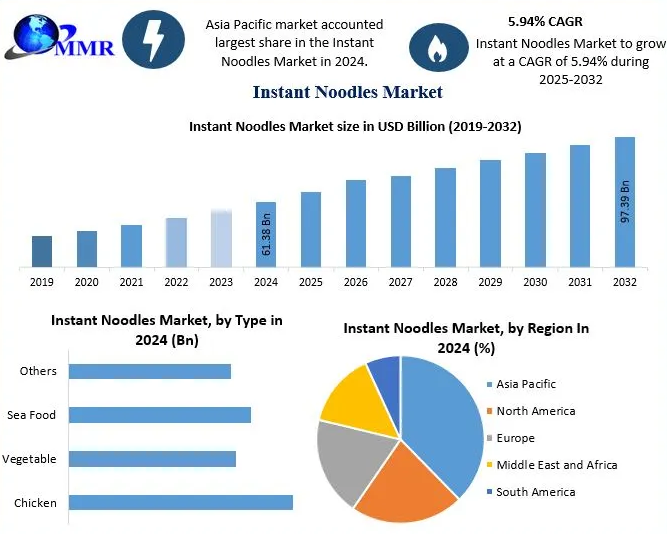
The Instant Noodles Market is experiencing significant expansion, driven by evolving consumer preferences, urbanization, and the increasing demand for convenient meal solutions. According to a comprehensive report by Maximize Market Research, the market was valued at USD 61.38 billion in 2024 and is projected to reach USD 97.39 billion by 2032, growing at a compound annual growth...
Medical radiation shielding market is expected to gain market growth in the forecast period of 2021 to 2028. Data Bridge Market Research analyses the market to account USD 1183.29 million by 2028 growing at a CAGR of 5.75% in the above-mentioned forecast period. The global business landscape is undergoing a transformation, with industries increasingly leaning on deep research and actionable...
A thorough Web3 Gaming Market Analysis reveals a sector propelled by a revolutionary value proposition for players, yet simultaneously facing significant technical and user experience challenges. The core driver is a fundamental shift in power dynamics, empowering players with true ownership of their in-game assets and time, a stark contrast to the closed ecosystems of traditional...